Research

Research in fish and wildlife studies expand our baseline knowledge about conservation challenges, new threats, and the effectiveness of stewardship efforts. These grants support state fish and wildlife agencies and other conservation partners as they improve and investigate technology, research questions, and services to forward conservation. This work enable the hiring of specialized staff, the purchase of  equipment, and maintains  facilities crucial for wildlife research, management, health and habitat management. Through grant funding, the Office of Conservation Investment supports comprehensive fish and wildlife health research across all states, addressing disease outbreaks, habitat and population changes. Our work foster collaboration between government agencies, NGO’s and industry partners. We utilize new technologies in conservation efforts to sustain fish and wildlife health and habitat for the benefit of people.
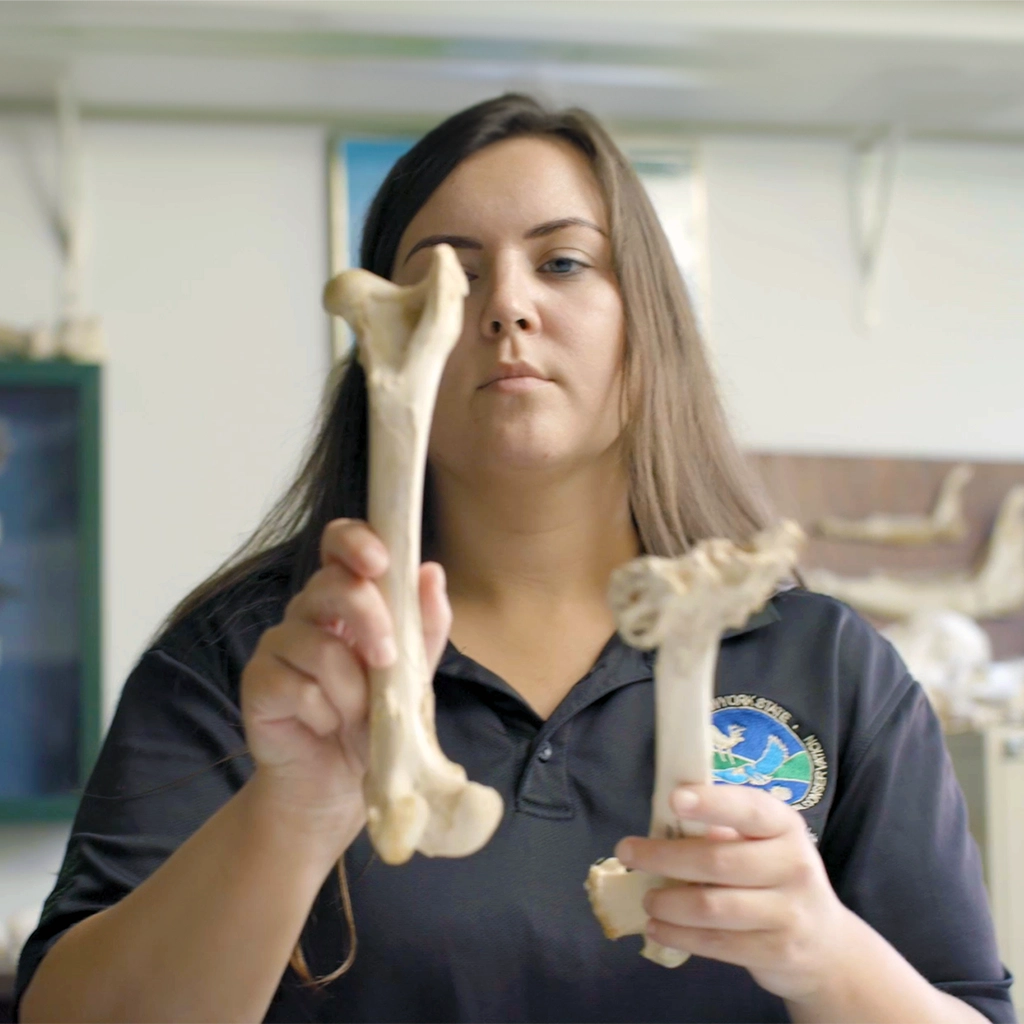
Wildlife Biologist inspecting bones

There are 138 grants monitoring wildlife diseases that are funded through the Pittman-Robertson Act
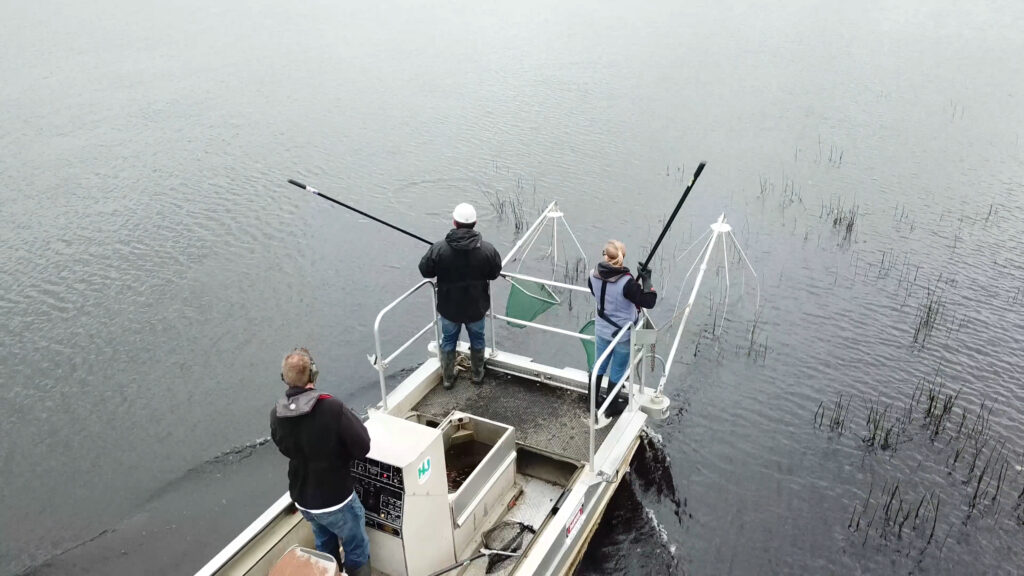
Still From Footage Of Nj Division Of Fish & Wildlife Doing Fisheries Research

There are 53 grants monitoring fish diseases that are funded through the Dingell-Johnson Act
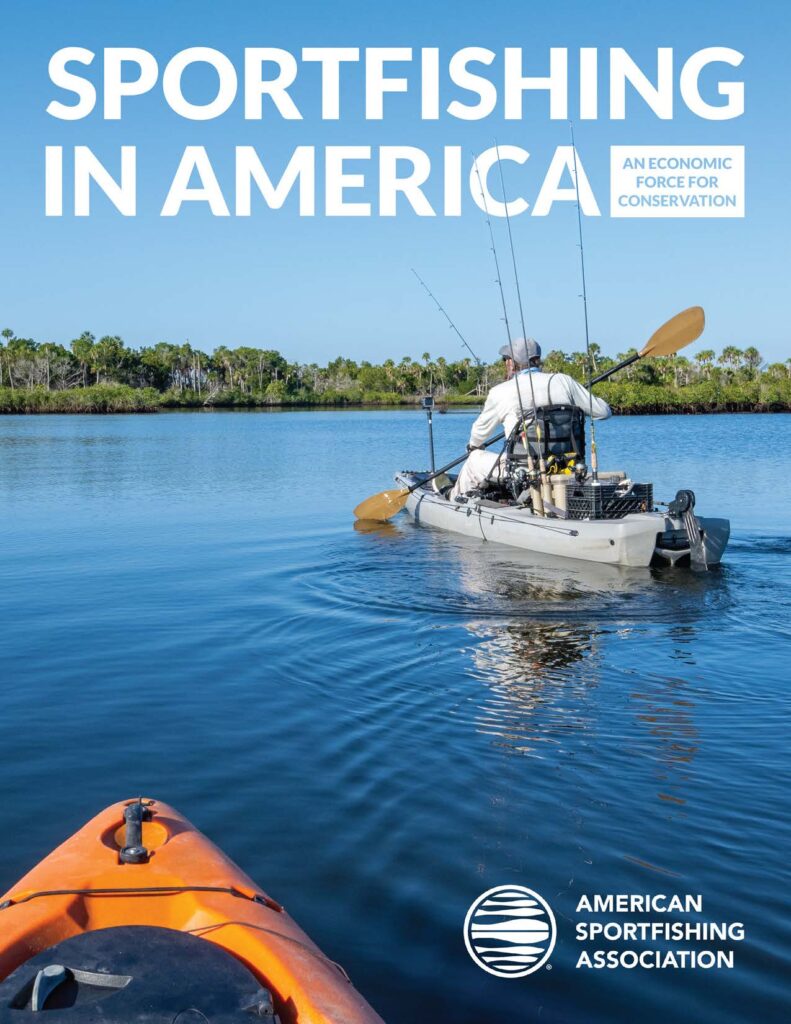
2024 Asa Economic Report Digital Spread Page 1

Sportfishing in America: An Economic Force for Conservation

The American Sportfishing Association (ASA) has released new data underscoring the growing economic influence of the sportfishing industry in America. This report shows that industry contributions continue to grow, now generating more than $230.5 billion annually for the U.S. economy and supporting 1.1 million jobs nationwide. Additionally, the industry contributes $70 billion in salaries and wages, reinforcing its role as a vital economic force.

Featured Video

Wildlife Health Labs

Improving the health of fisheries and wildlife

Wildlife and Sport Fish Restoration funds are protecting the health of our nation’s fish and wildlife, by funding over 35 laboratories conducting disease surveillance and response.

In The News
Biologist stands on bow of boat holding net to catch snakehead during survey.

Angling, Research

November 18, 2025
With funding from the Sport Fish Restoration Act, Virginia DWR has been collecting data and building one of the most expansive long-term snakehead research repositories to understand how the non-native fish are interacting with Virginia fish communities. The species has established itself in creeks, rivers, and even reservoirs through illegal introductions.
Ny Conserv Dept Tky Restor 2

Management, Research

November 21, 2024
Turkey and Thanksgiving have gone hand in hand since colonial times, right? Not exactly. The decimation of wildlife followed by the restoration and return to huntable populations is no more evident than it is with wild turkeys
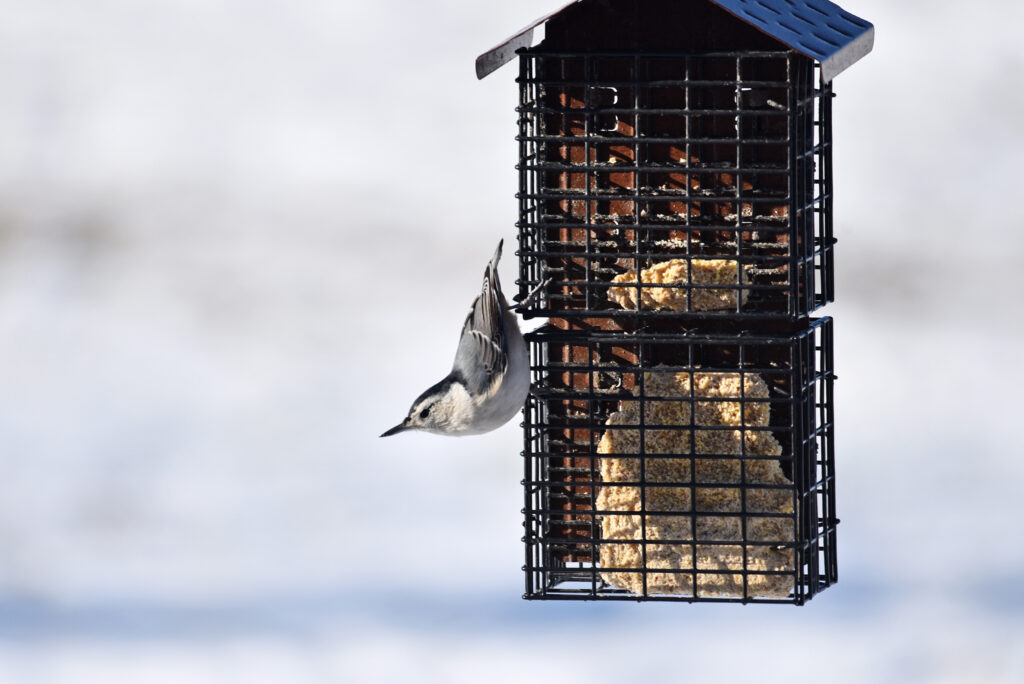
White breasted nuthatch courtney celley usfws

Management, Research

November 19, 2024
A robust number of birders exist in the United States. An addendum to the 2022 National Survey of Fishing, Hunting, and Wildlife-Associated Recreation (Survey) reveals that a great number of people take part in birding, be it at home or beyond their residence.
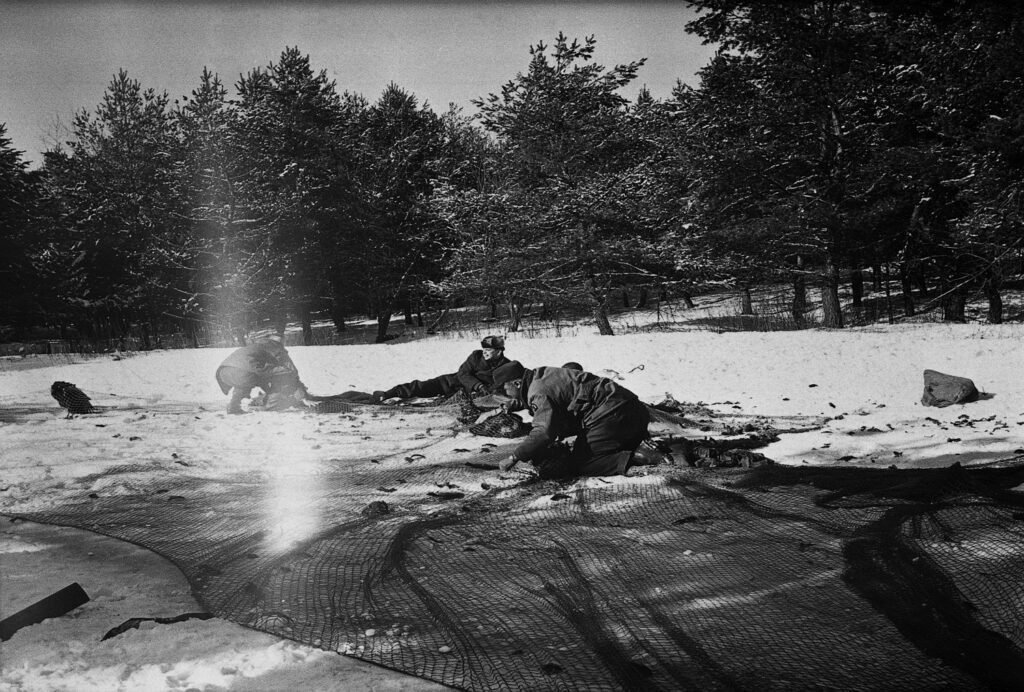
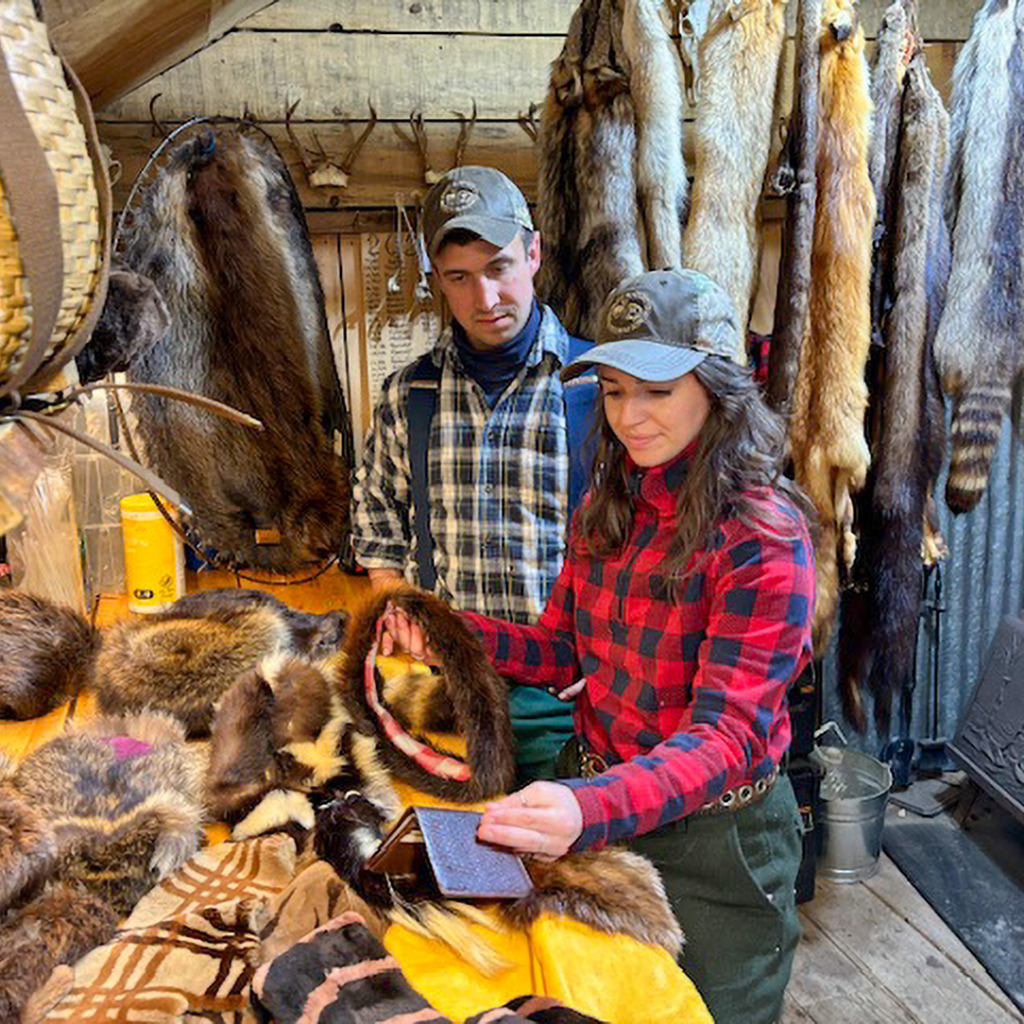
Fur trappers inspecting their goods

Education, Management, R3, Research, Trapping
November 12, 2024
Trapping is highly regulated by the state fish and wildlife agencies; biologists set harvest rates, trapping seasons, bag limits, and restrict trap types. Pittman-Robertson dollars, the federal excise taxes paid by firearms, ammunition, and archery manufacturers on select goods, fund furbearer management.
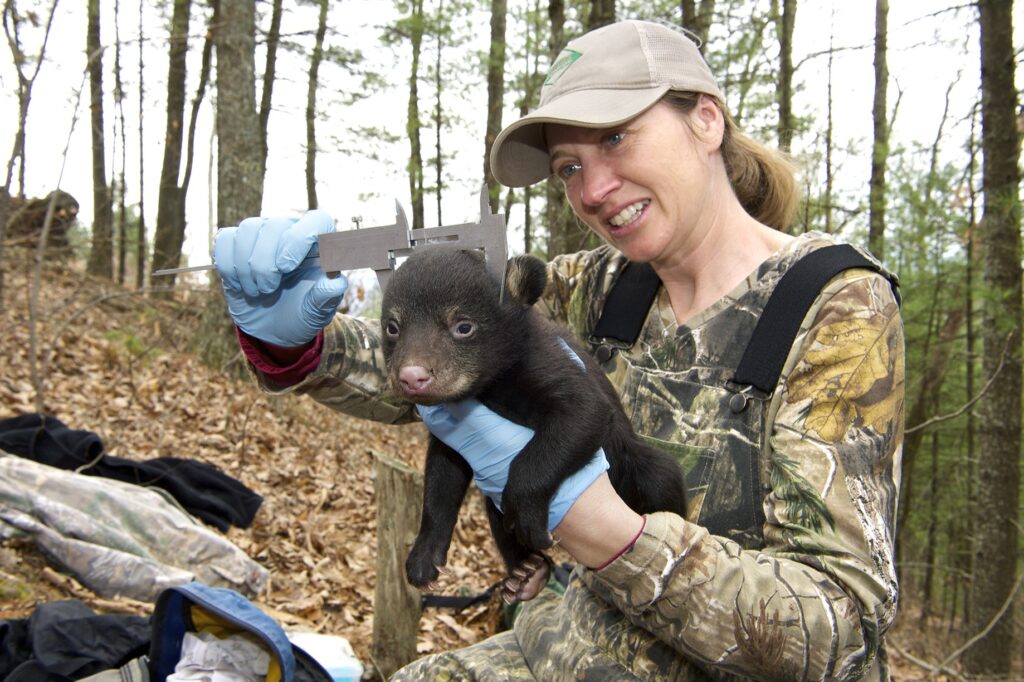
Colleen Olfenbuttel Measuring Bear Cub

Management, Research

February 26, 2024
In these first beautiful days of winter, something splendid transpires in nature. Black bears are well into their long hibernation, having stocked up the fat stores to get through the cold months.
Gila trout craig springer usfws

Research

January 29, 2024
James Ohio Pattie by our best reckoning was the first to record catching Gila trout.  The man led a beaver trapping expedition from Kentucky that traversed today’s American Southwest shortly after Mexico achieved its independence from Spain.