Management
Tribal Wildlife Grants Program Support Species of Cultural and Traditional Importance
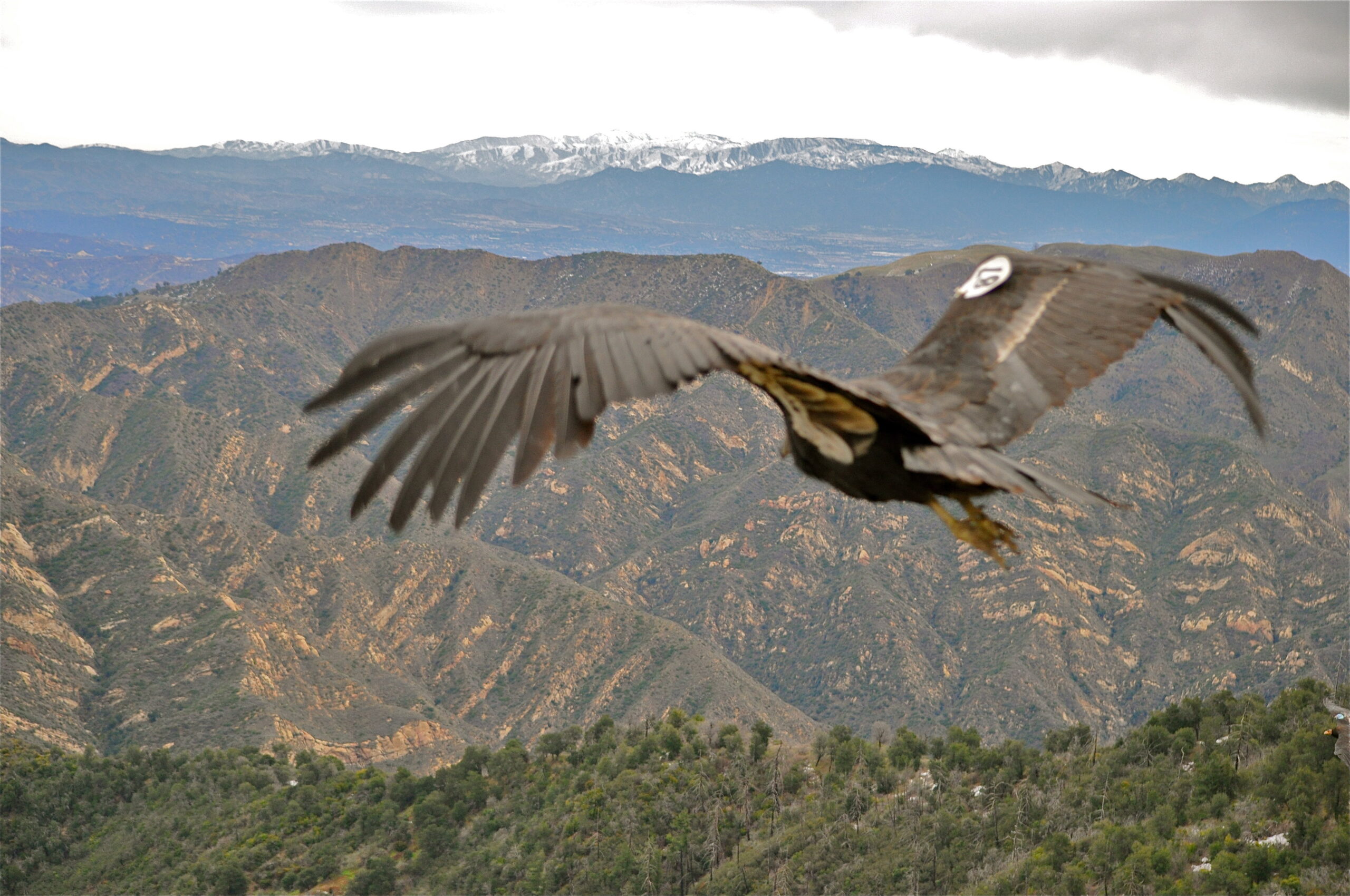
Since its inception in 2003, the competitive Tribal Wildlife Grants (TWG) Program has awarded more than $111.6 million to federally recognized Native American and Alaska Native Tribes, providing support for more than 626 conservation projects.
Rio Grande cutthroat trout—a Model for Fisheries Conservation
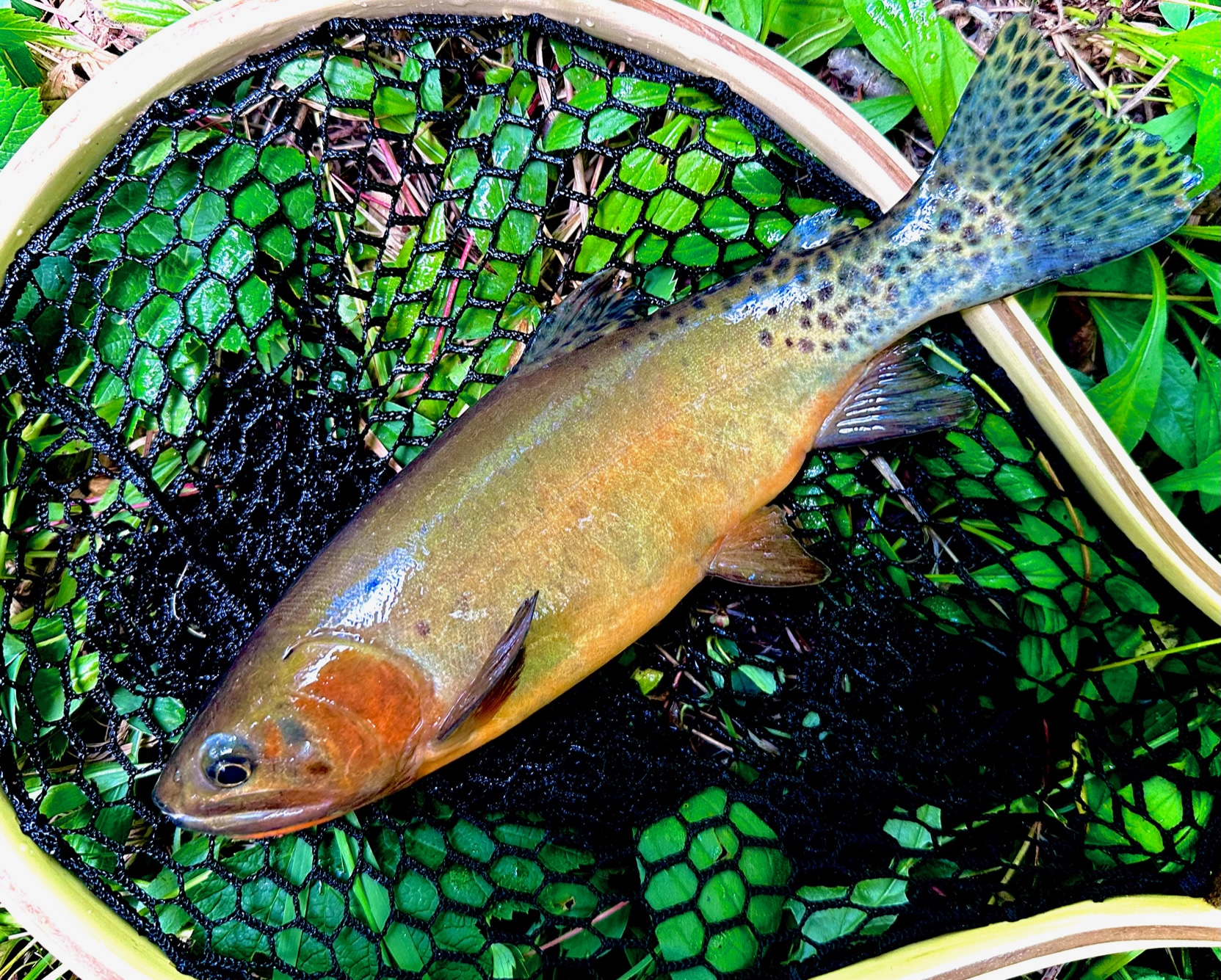
In this the 50th anniversary year of the Endangered Species Act, it is worth noting that Rio Grande cutthroat a decade ago were considered for listing—and potential restricted angling. Thanks to fishery management endeavors already underway, that didn’t happen. A conservation strategy backed with much data guides work today and into the future.
Casting A Fly Rod To Apache Trout Is A Testament To Perseverance
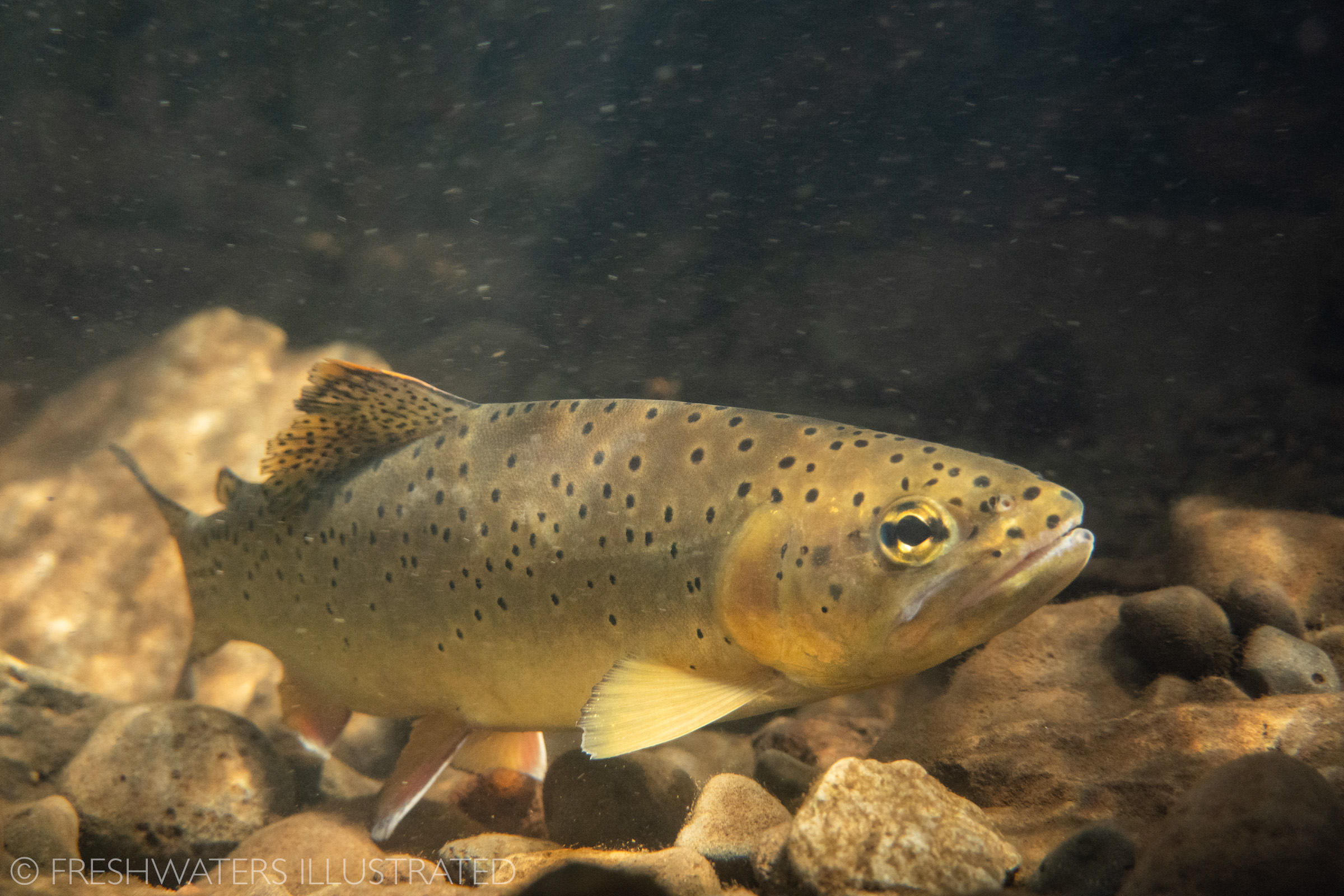
I’m standing knee deep in the cold crystalline waters of a narrow gravelly stream in the highest headwaters of the White Mountains of southeast Arizona. Apache trout live here.
Game Mammal Study Across Hawaiian Islands Can Support Hunters and Endangered Species
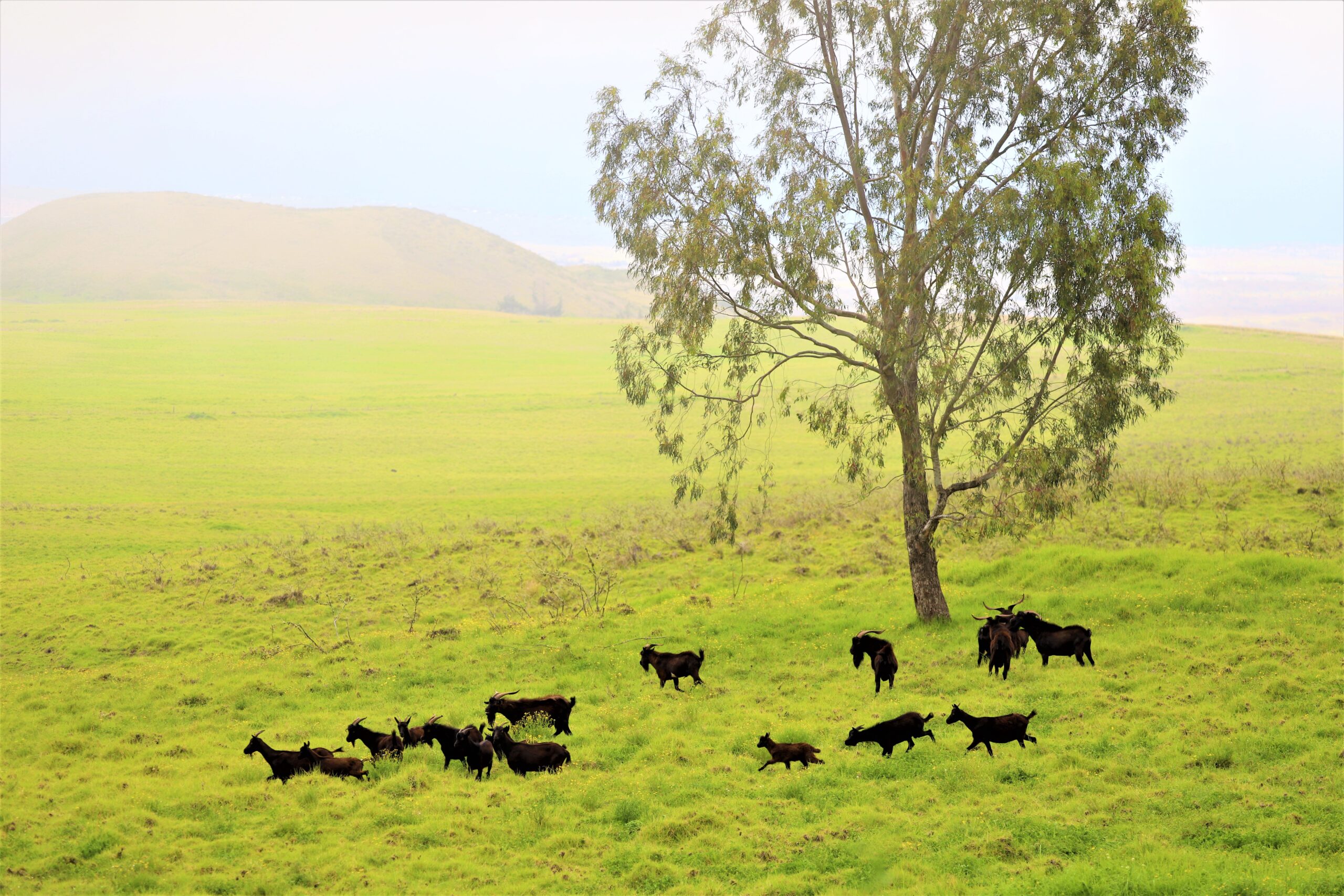
There are two main strategies for controlling invasive game mammals throughout the Hawaiian Islands: putting up fences and hunting. Hunting for non-native feral pigs, axis deer, black-tailed deer, feral goats, and other introduced game mammals is an important cultural, recreational, and subsistence activity in many communities. However, these species can have negative impacts on the native and endangered flora and fauna of the Pacific Islands.
White-tailed Deer Rely on Quality Winter Habitats
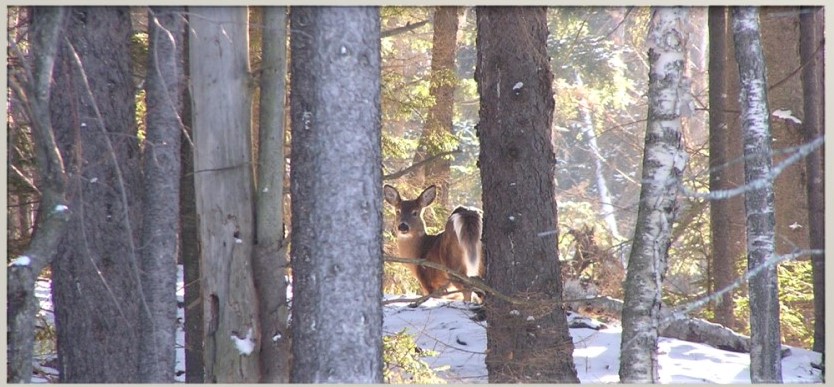
Come April, white-tailed deer in the northern states have gone through their worst hard time. Prolonged severe winter weather is the most taxing time in a whitetail’s life, particularly at the edges of their northernmost range. Does will soon give birth—if they haven’t starved.
Federal Excise Taxes Fund Massive Public Hunting Area Purchase
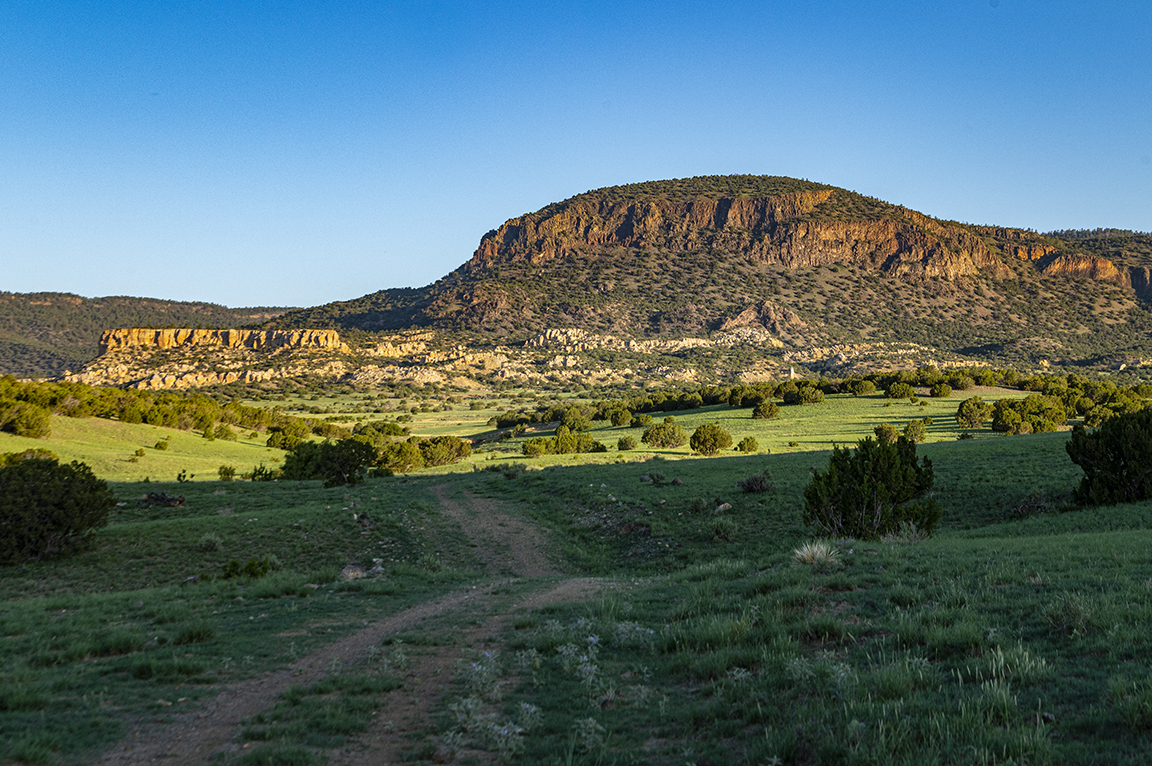
A 700-year-old petroglyph portends the future of a new wildlife management area. If you need a reminder that the world is held together by stone and story, then consider the Marquez Wildlife Management Area and its recent addition, the L-Bar Ranch, with its rocks and rills and temple hills near Laguna, New Mexico.
Six Wetlands Supported Through the National Coastal Wetlands Conservation Grant Program
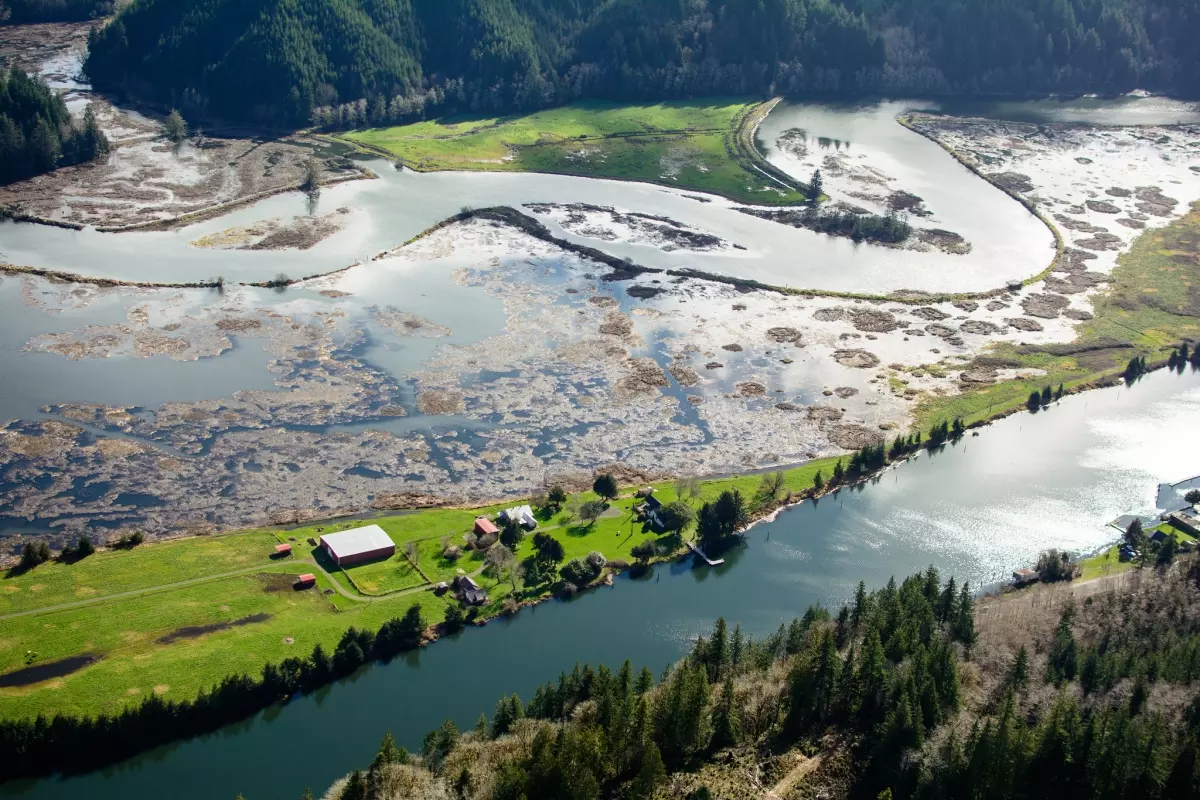
Coastal wetlands are among the most productive ecosystems in the world providing resting, feeding, and breeding habitat for waterfowl and other migratory birds, and creating habitat for endangered and threatened species that are dependent on coastal areas.
Eastern Elk Herds Thrive with WSFR Funds
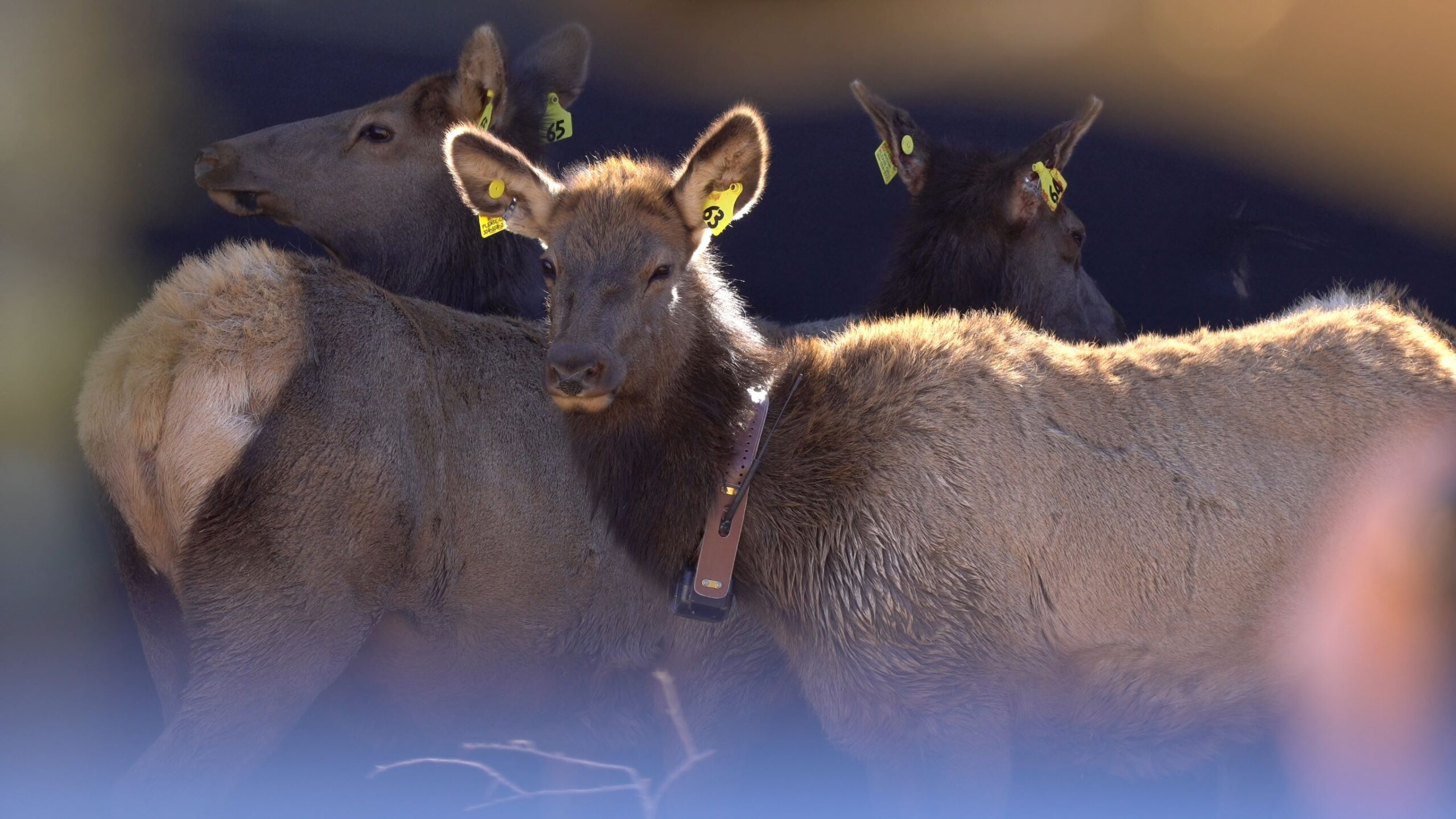
Elk—an iconic species whose bugle inspires hunters and wildlife watchers alike—is a symbol of conservation success. Pennsylvania, Virginia, West Virginia, and Kentucky are four eastern states that have recovered elk populations successfully in the last few decades.
The Transient Boater Windfall
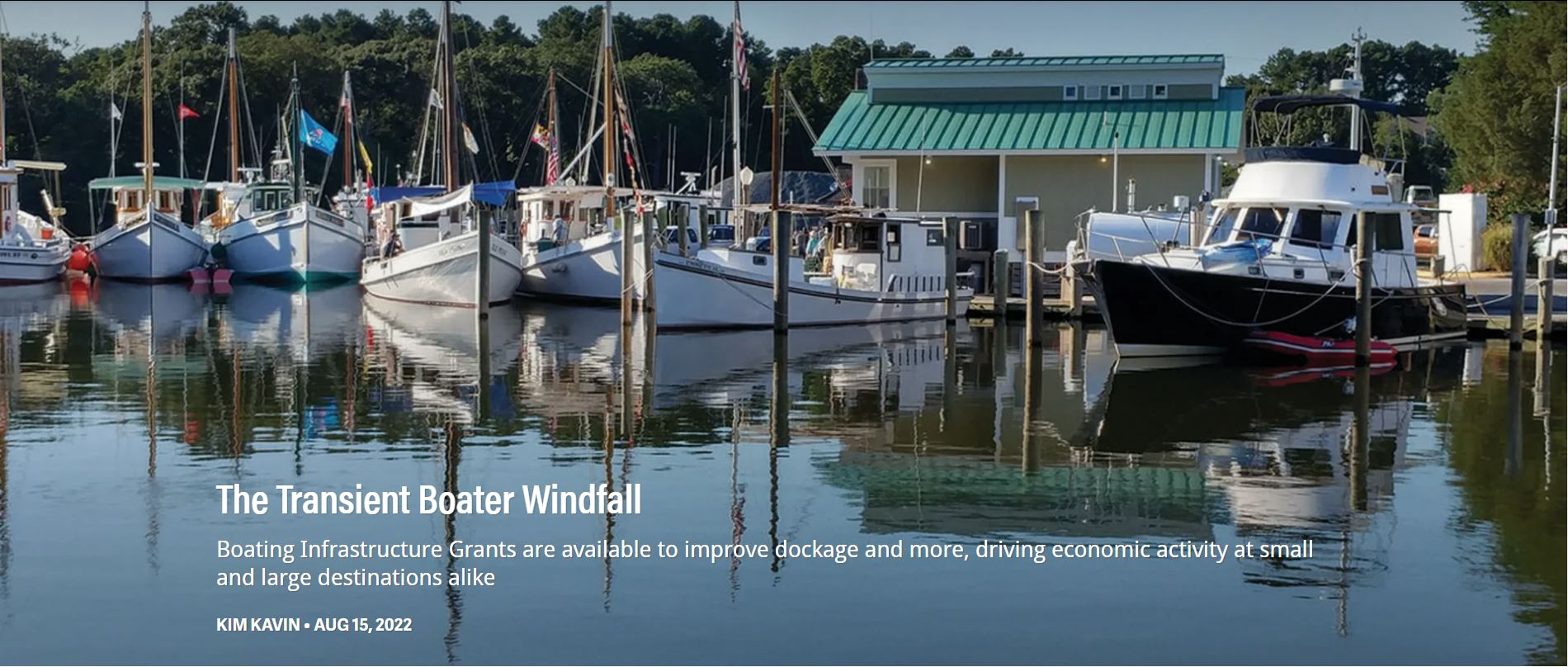
Onancock, Va., has been welcoming every kind of boater, from steamship crews and watermen to cruisers, since its founding in 1680. The place is only about a square mile in size and home to around 400 families, but it’s a great location, a couple of miles from Chesapeake Bay by way of Onancock Creek.
Hawai‘i’s State Bird Recovering With Support From U.S. Fish and Wildlife Service Grants

The nēnē, sometimes called the Hawaiian goose, is an endemic species found only on the Hawaiian Islands and is the official state bird. Once common, the species declined to only 30 individuals by 1957 due primarily to habitat destruction, introduction of predators, and historic hunting pressure.
Turning a Trout Stream Right Side Up: Colorado’s Swan River
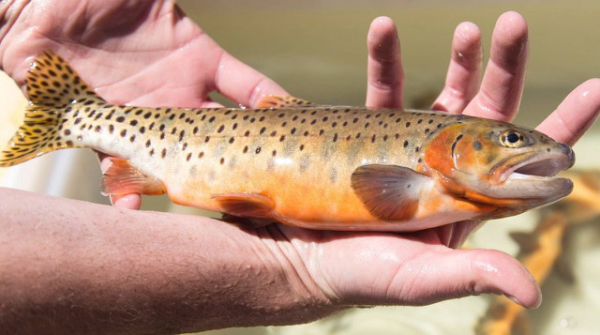
The same source of conservation funding—excise taxes paid by tackle manufacturers via the Sport Fish Restoration Act—that pays for scientific fisheries research and management, boat ramps, aquatic education, and fish population surveys has righted an upside down trout stream.