Management
How Boating and Fishing Manufacturers Support Conservation and Recreation
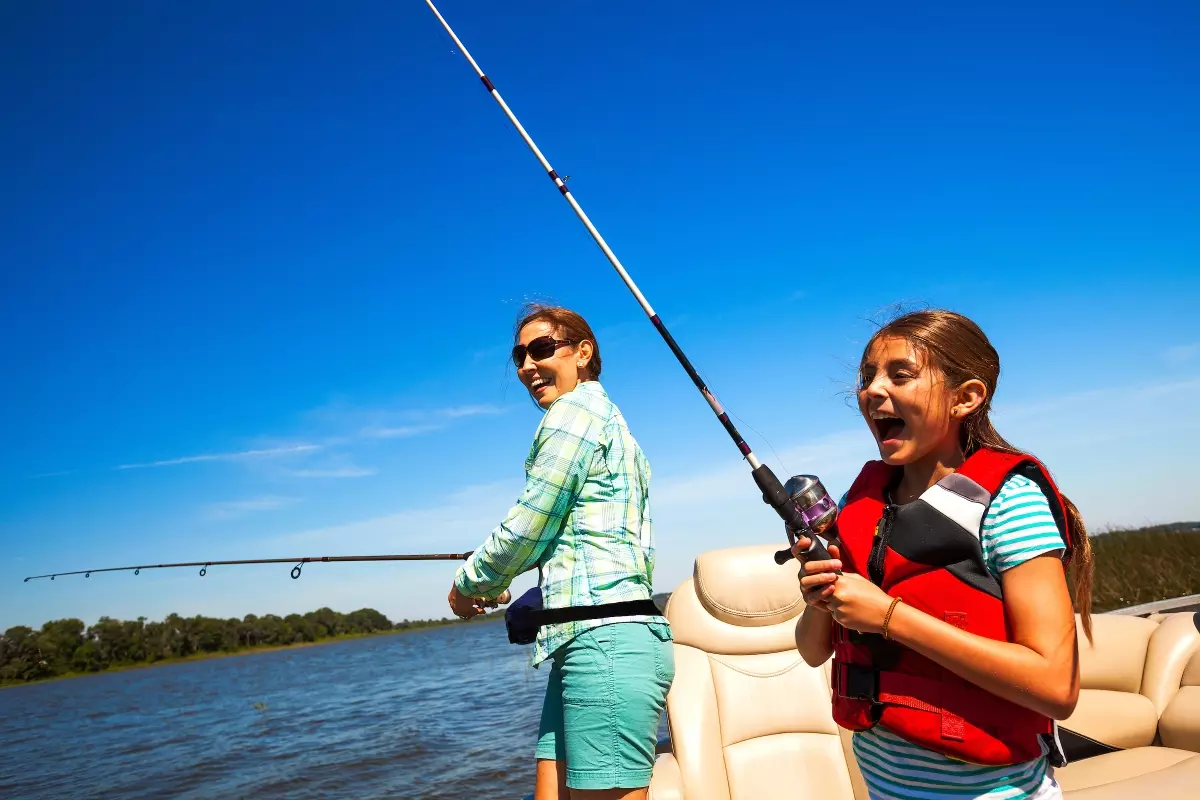
For more than half a century, America’s fishing equipment manufacturers have shared a partnership with state and federal biologists through the Dingell-Johnson Act — a partnership that uses excise tax to fund remarkable fisheries conservation and recreation.
Boating Infrastructure Grants Support MEGADOCK, Boating Community, and Waterfront Access
Boating offers a gateway to the outdoors, adventure, and a unique way to travel. The United States contains over 90,000 miles of coastline, over three million lakes, and over 3 million miles of rivers offering plenty of opportunities to spend time on the water making memories.
Fisher Restoration, Management, and Research Supported Through Wildlife Restoration Funds
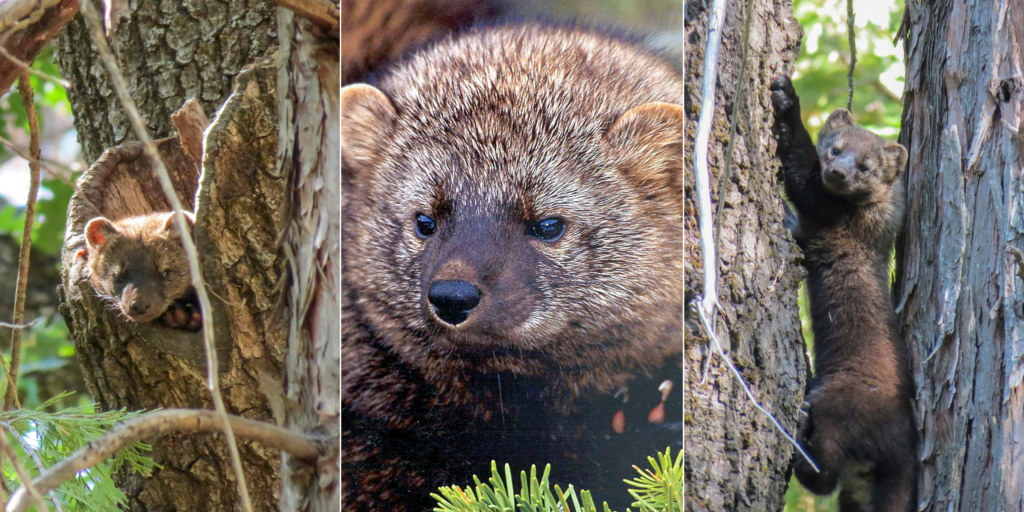
Found only in North America, fishers live in forested and semi-forested areas in Canada and the northern United States. Today, thanks to conservation efforts, research, and regulated harvest, fisher populations are sustainably managed by state fish and wildlife agencies.
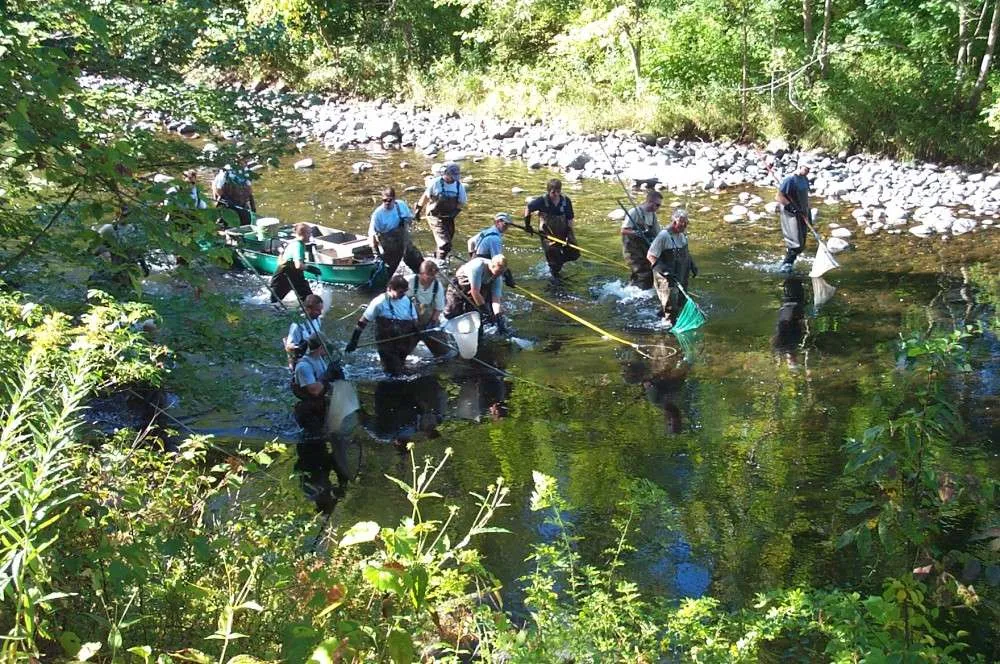
Sport Fish Restoration Funds Improve Connecticut Trout Fishing
Excise taxes paid by fishing tackle manufacturers and a tax on motorboat fuel yield reliable and steady funding for the state agency fish biologists to research and manage the fishery.
Sounds of Summer Past
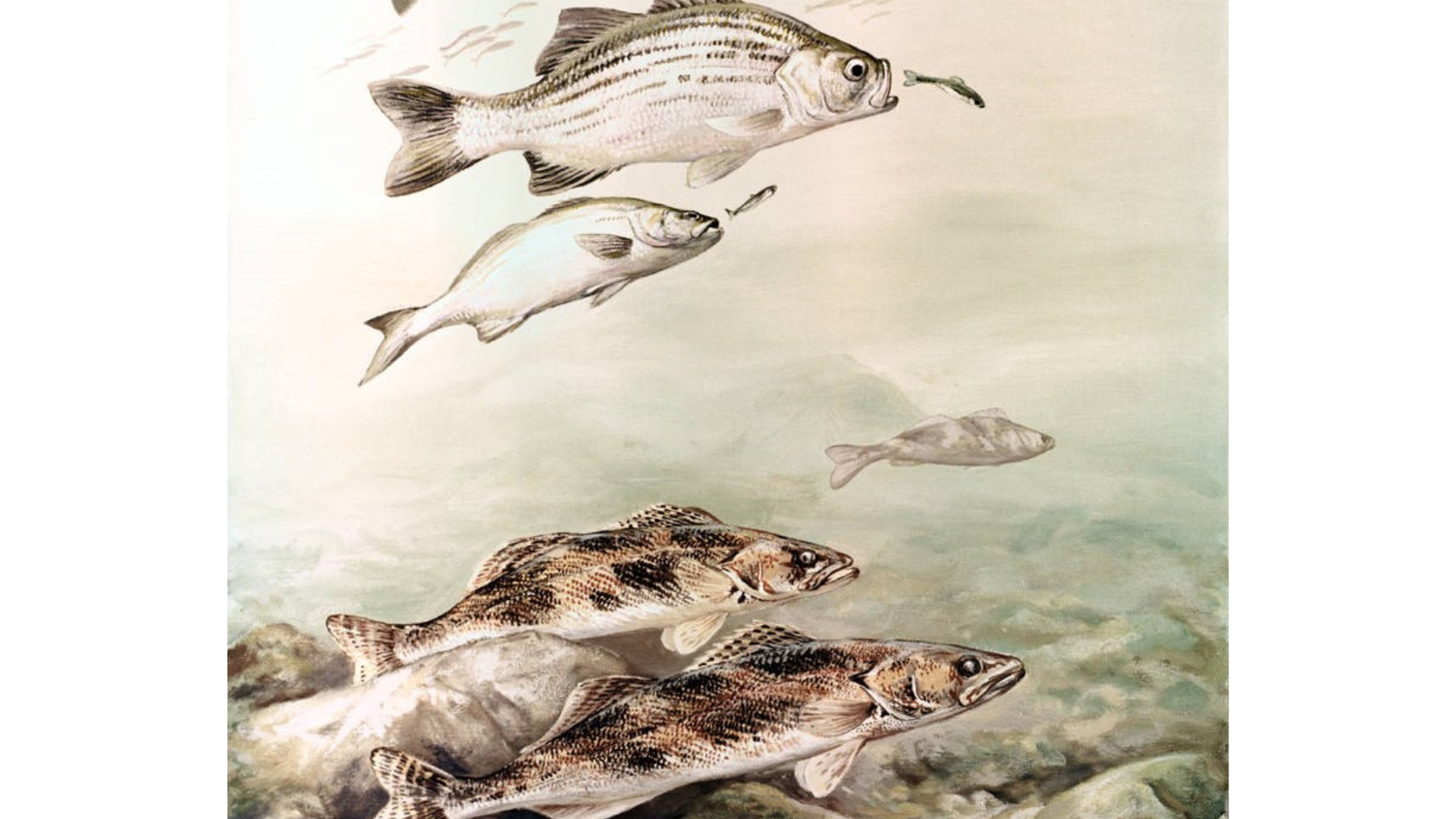
Sport Fish Restoration dollars fund creel surveys, in-person interviews of anglers, that yield information to better manage fisheries.
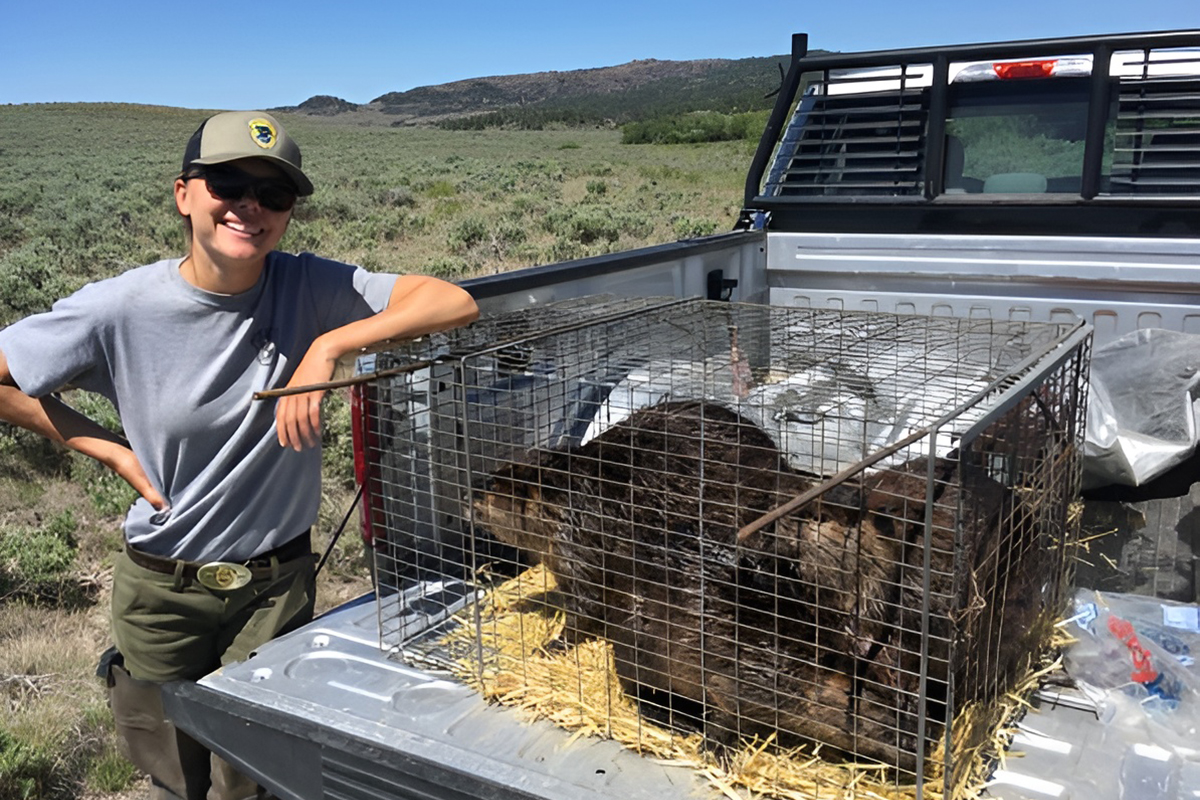
Pittman-Robertson is for Beaver Too
All the wonders of nature are wrapped up in a 40-pound densely furred, oily creature with orange ferrous-infused teeth, webbed feet, and a scaled leathery tail. The American beaver possesses a fascinating way of life, always centered around water and a multi-aged family unit, always busy building dams and keeping up a lodge that houses them year-round.
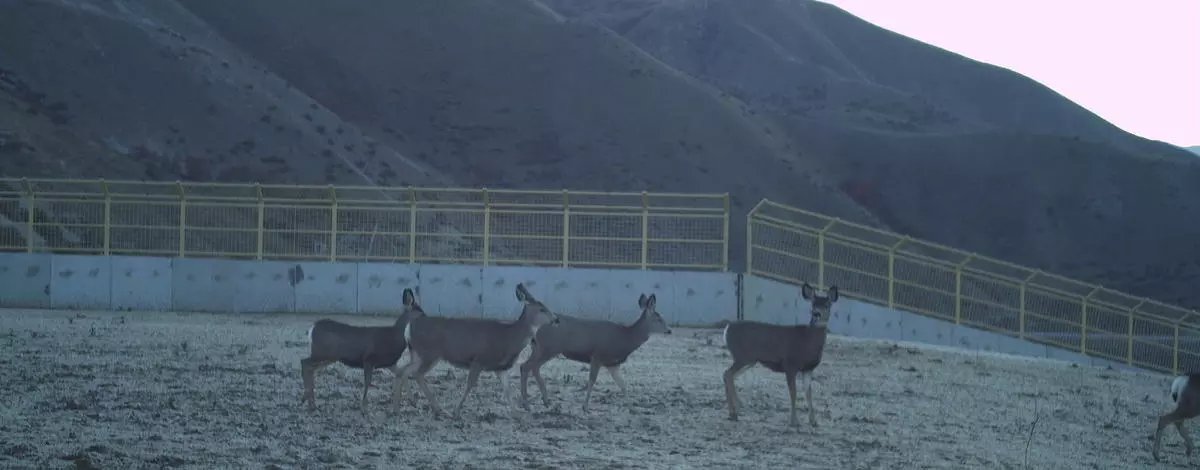
Idaho’s New Wildlife Overpass Improves Public Safety and Wildlife Migration
The Cervidae Peak Wildlife Overpass in Boise, Idaho, aims to reduce wildlife-vehicle collisions by providing safe passage for migrating mule deer and elk across State Highway 21.
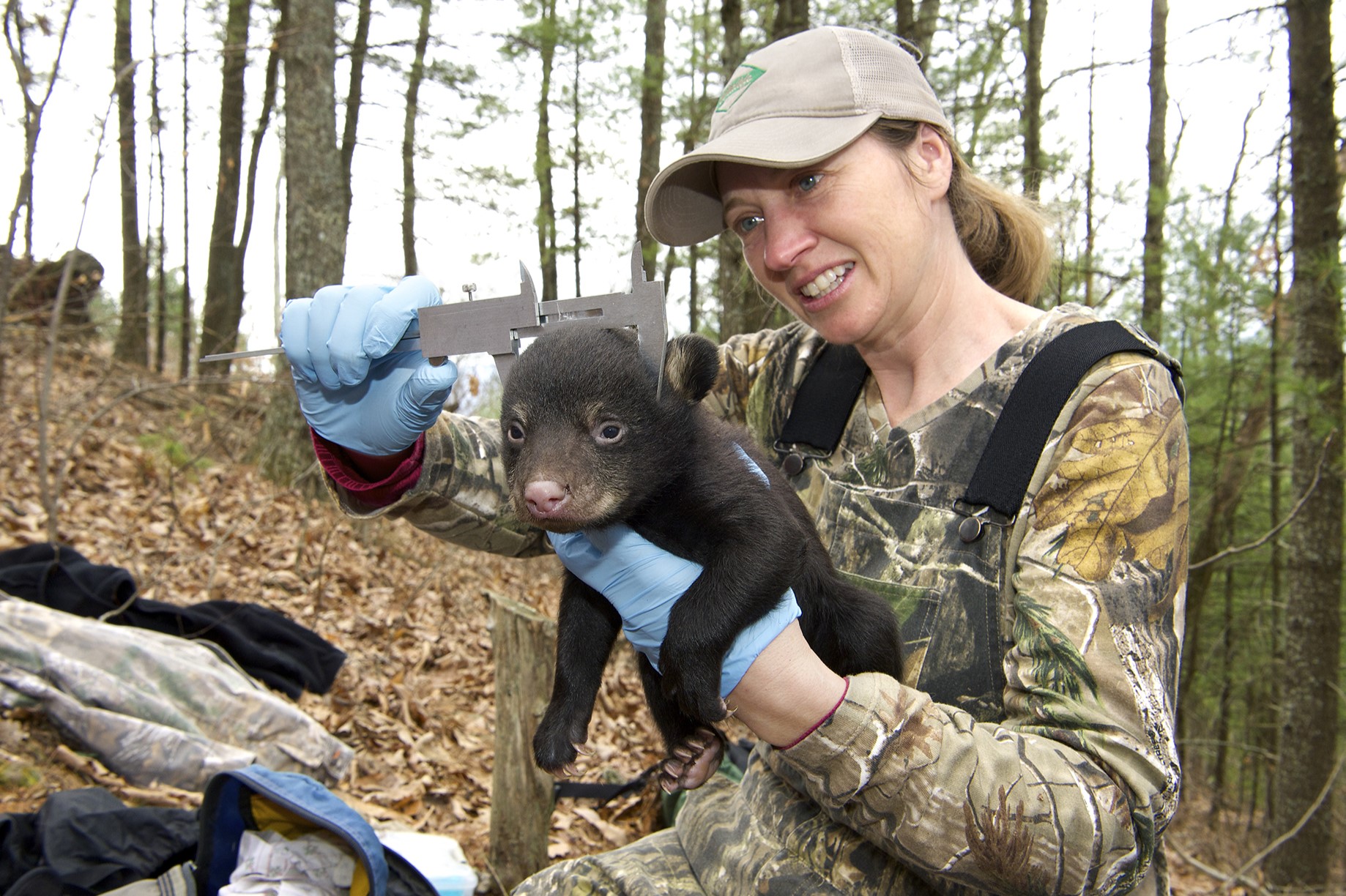
The Bear Facts on Pittman-Robertson in North Carolina
In these first beautiful days of winter, something splendid transpires in nature. Black bears are well into their long hibernation, having stocked up the fat stores to get through the cold months.
Tribal Wildlife Grants Program Support Species of Cultural and Traditional Importance
Since its inception in 2003, the competitive Tribal Wildlife Grants (TWG) Program has awarded more than $111.6 million to federally recognized Native American and Alaska Native Tribes, providing support for more than 626 conservation projects.
Rio Grande cutthroat trout—a Model for Fisheries Conservation
In this the 50th anniversary year of the Endangered Species Act, it is worth noting that Rio Grande cutthroat a decade ago were considered for listing—and potential restricted angling. Thanks to fishery management endeavors already underway, that didn’t happen. A conservation strategy backed with much data guides work today and into the future.