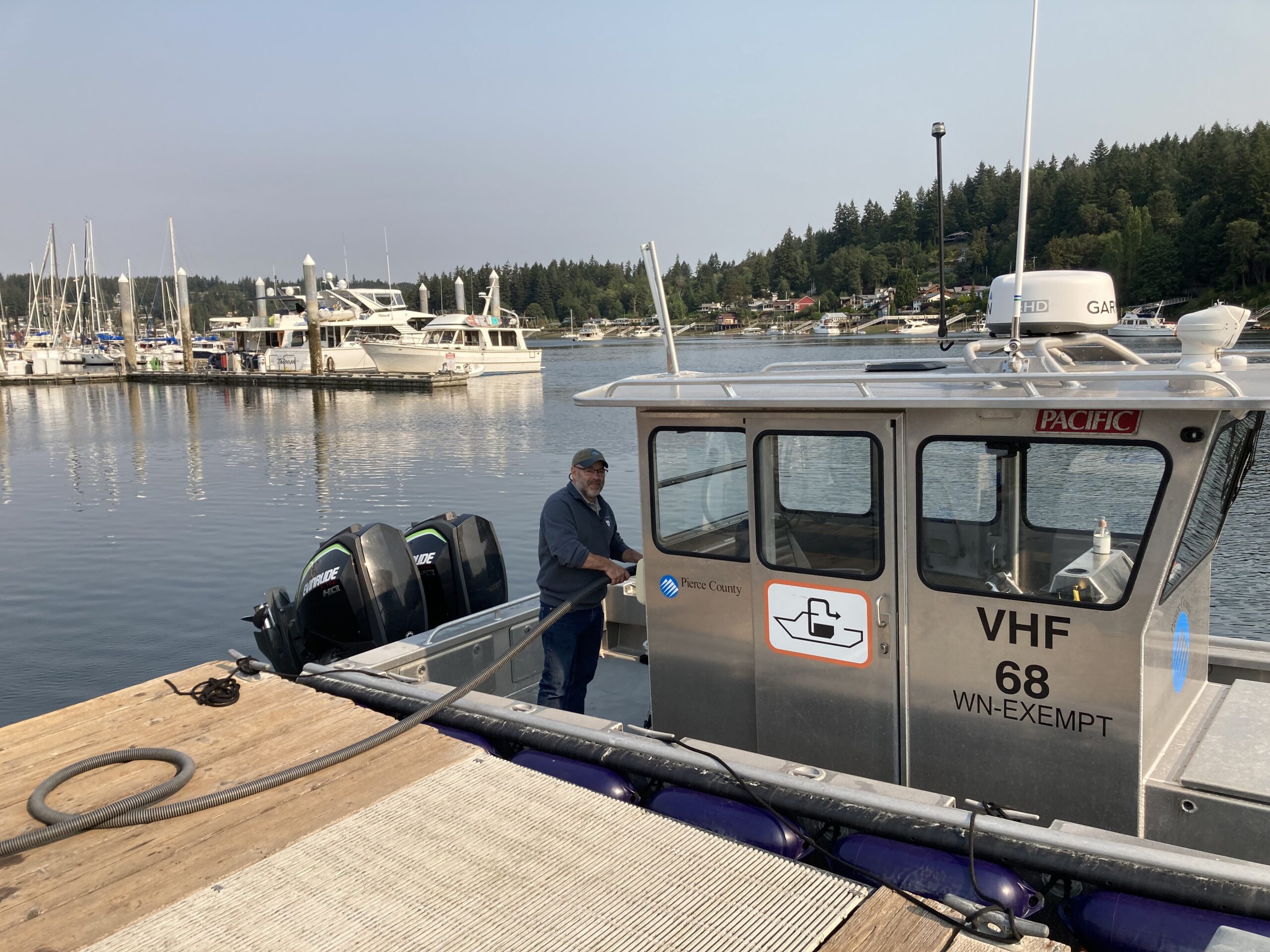
Cross-state Cooperation Expands Brook Trout Angling
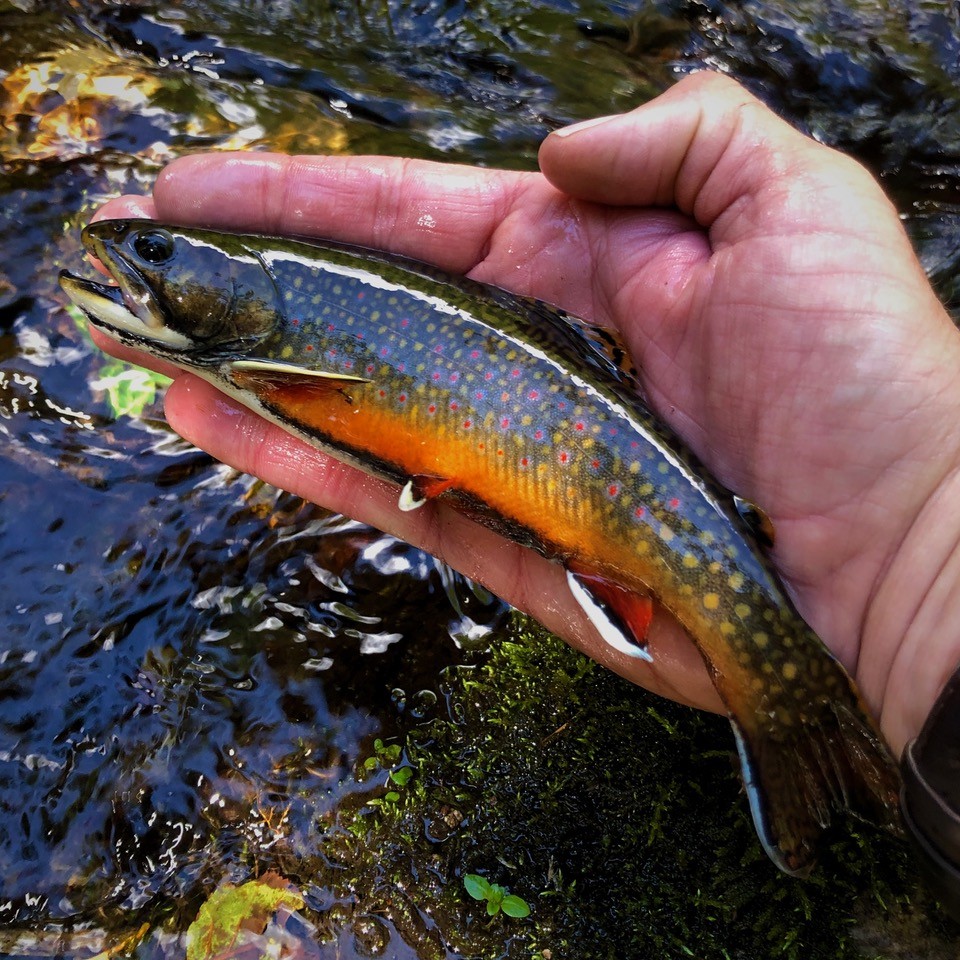
There’s a quality in the quantity of brook trout populations on the rise, thanks to Sport Fish Restoration.
There’s a quality in the quantity of brook trout populations on the rise, thanks to Sport Fish Restoration.
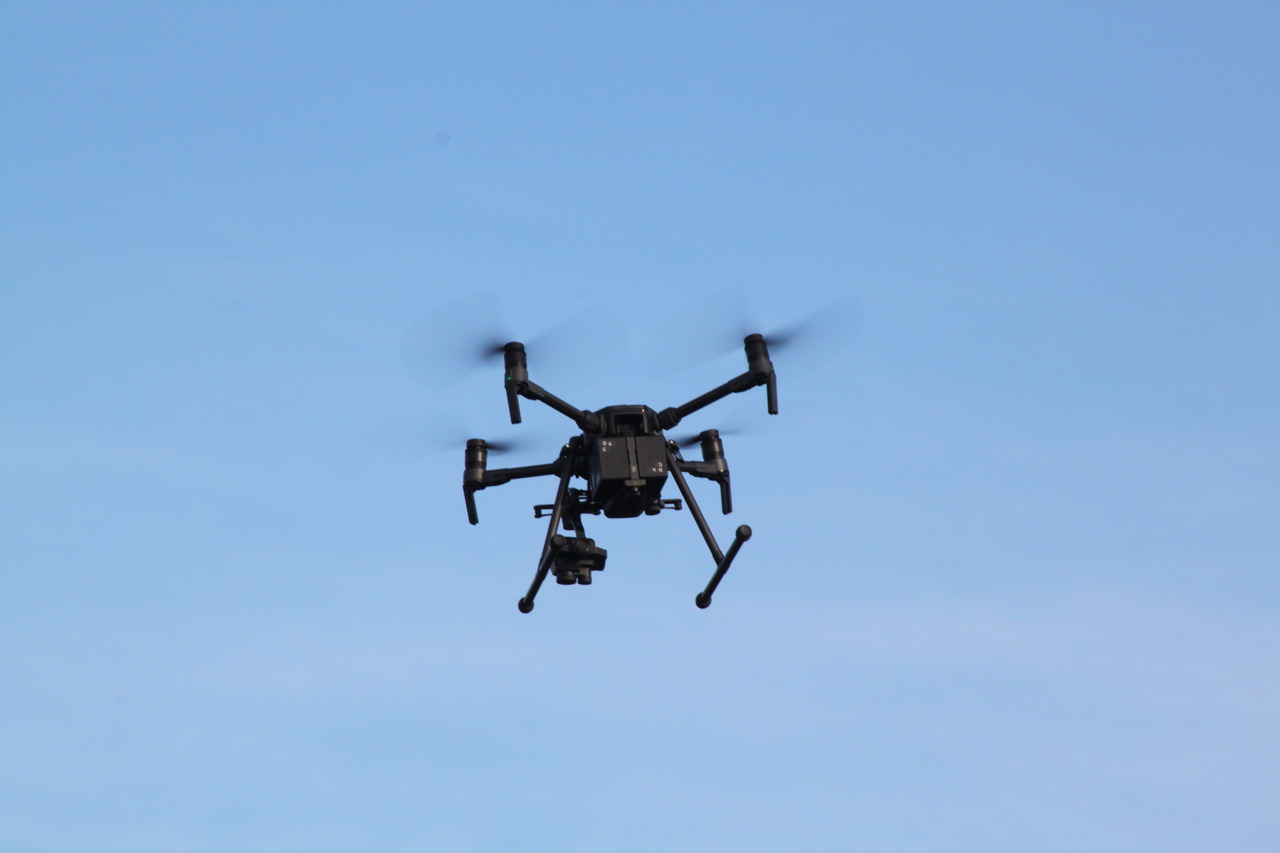
The leading-edge conservation work was an intersection science, technology, know-how, and reliable Pittman-Robertson funding—the federal excise taxes paid by the manufacturers of firearms, ammunition, and archery gear.
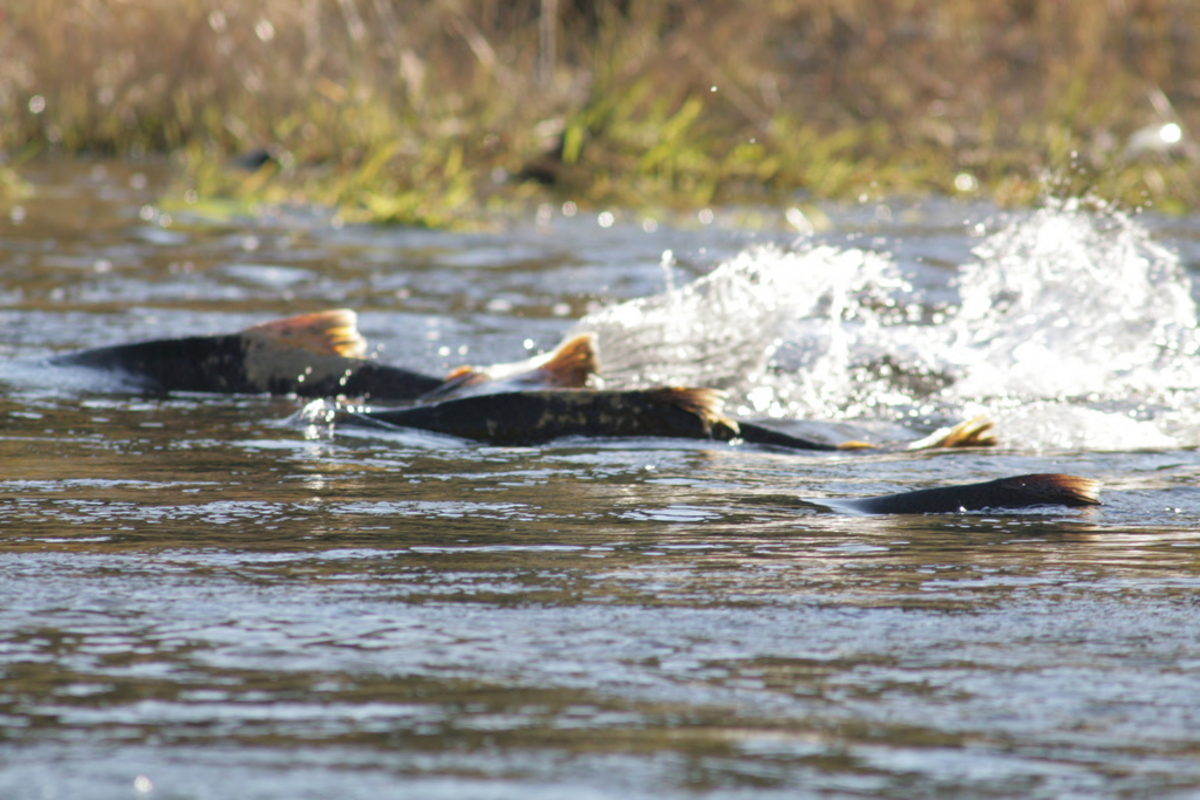
In California’s Central Valley, along the Merced River, the low rumble of bulldozers signals renewal. Crews are returning clean, sorted gravel to the riverbed, rebuilding spawning habitat that salmon and steelhead have relied on for thousands of years.
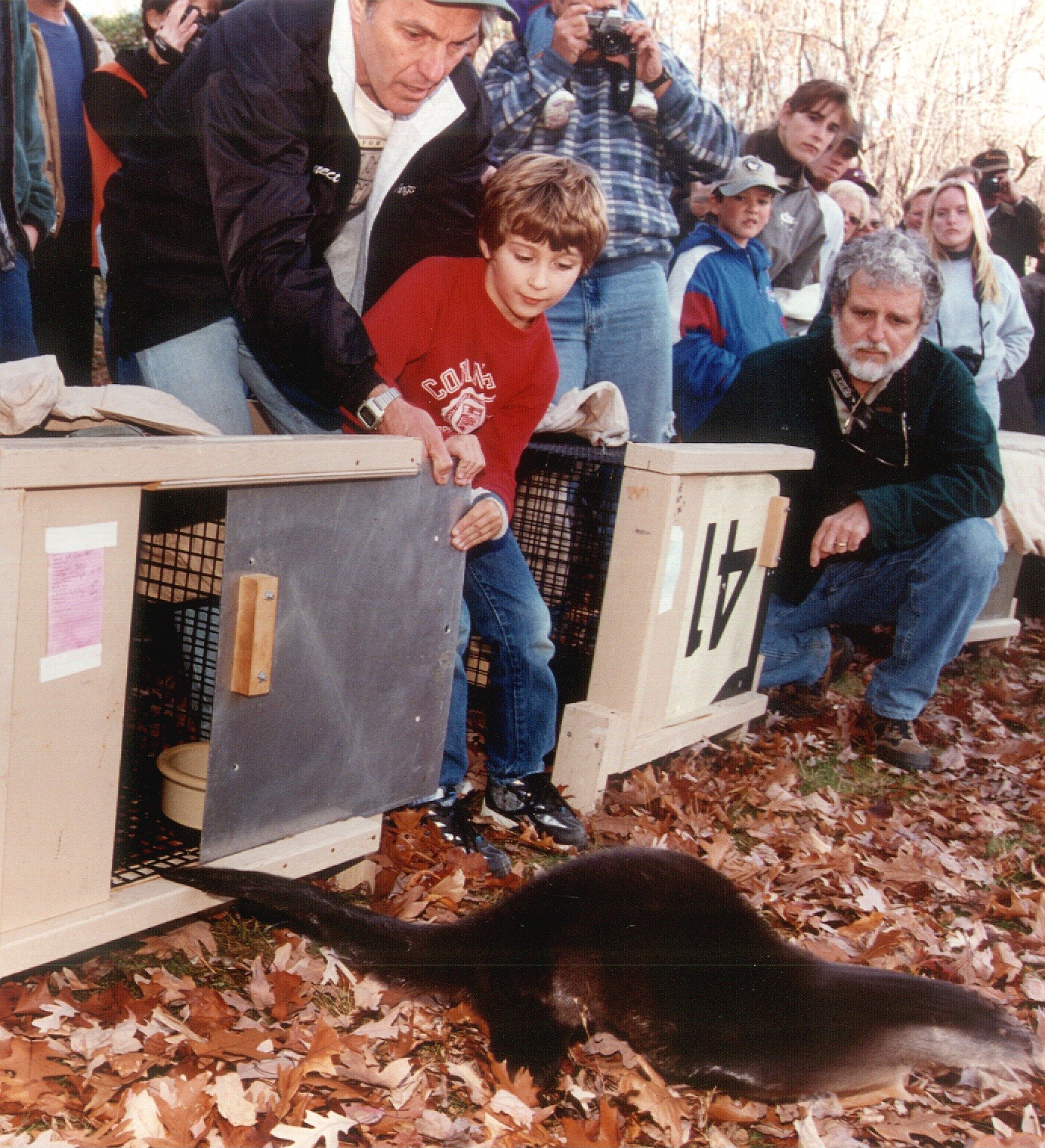
Once a familiar sight across America’s waterways, river otters dwindled across much of their native range by the mid-20th century. Today, cleaner waterways, conservation professionals supported by Pittman-Robertson funds, and an evolving understanding of resource management has allowed river otters to reclaim their place in ecosystems.
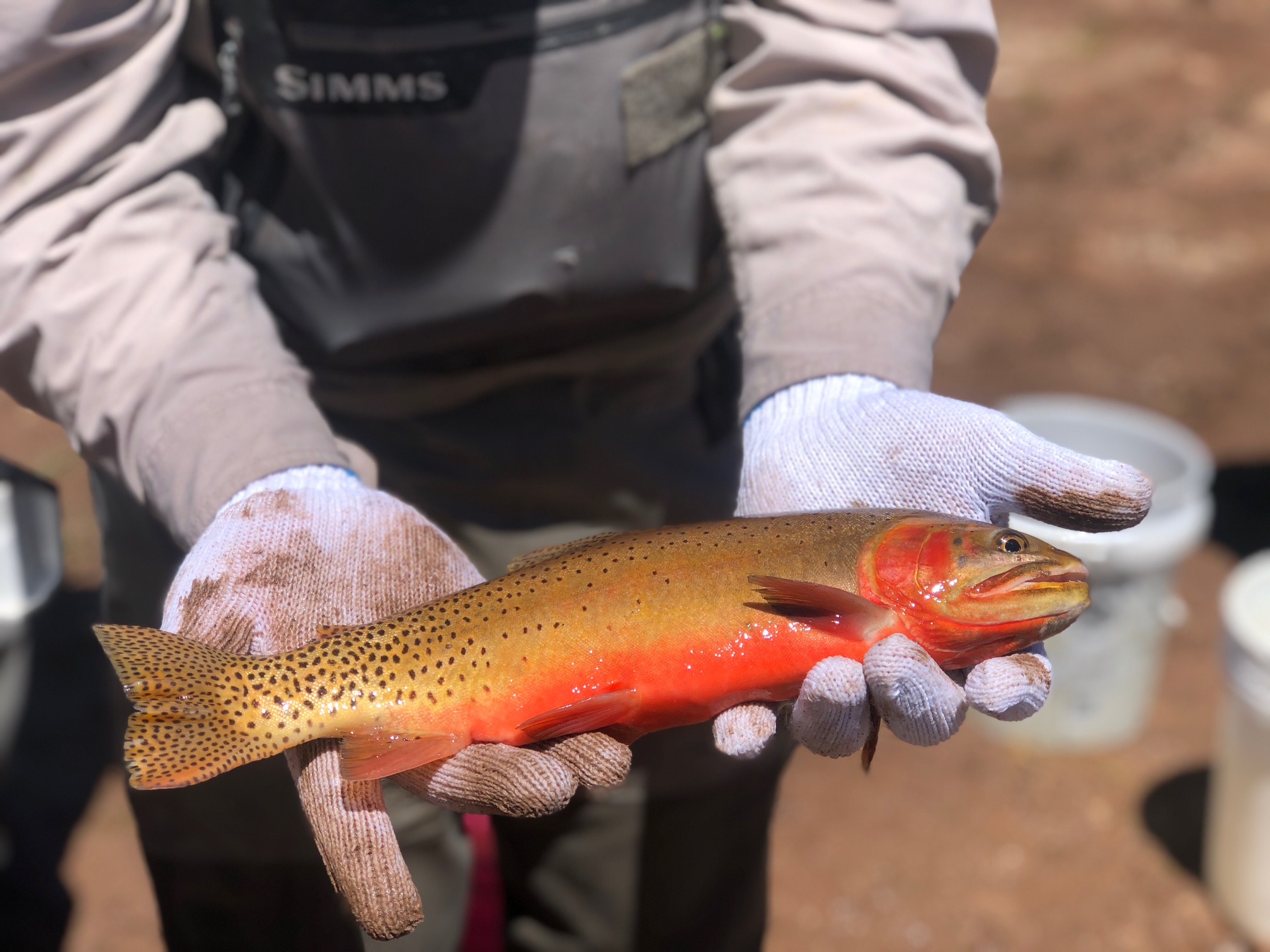
Cutthroat trout are the only trout native to Utah, but not that long ago the state’s iconic cutthroats were in jeopardy of disappearing. Thanks to conservation measures supported in part by Sport Fish Restoration funds, Utah’s four cutthroat subspecies have made a remarkable comeback.
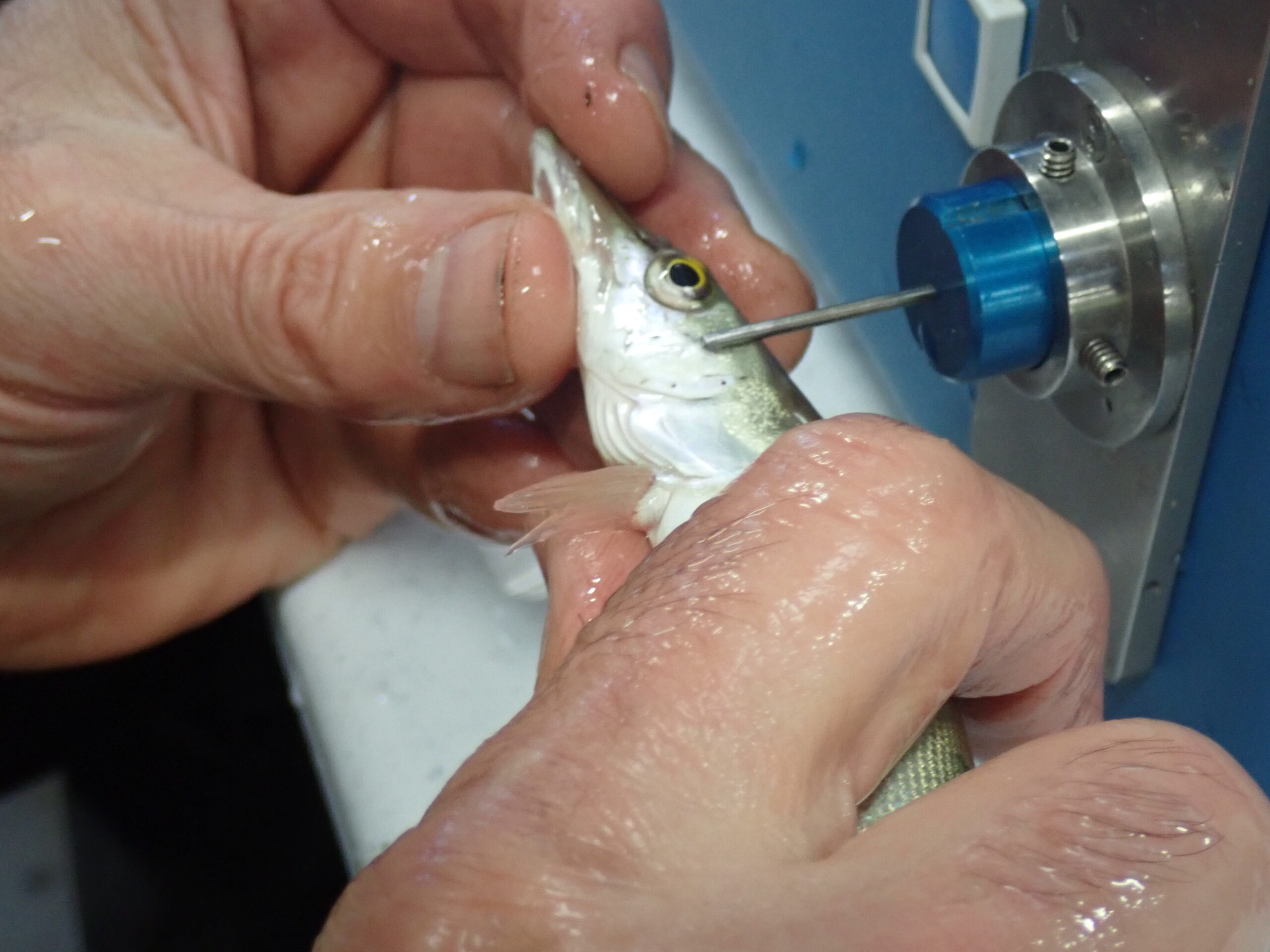
Muskie are commonly thought of as a fish of the North, the Great Lakes states, reservoirs and mid to large streams in the Ohio and upper Mississippi river basins. And North Carolina, well not so much—unless you live and fish there.

Food is not a byproduct of hunting—it is the essence—locally sourced free-range protein that has never touched Styrofoam.
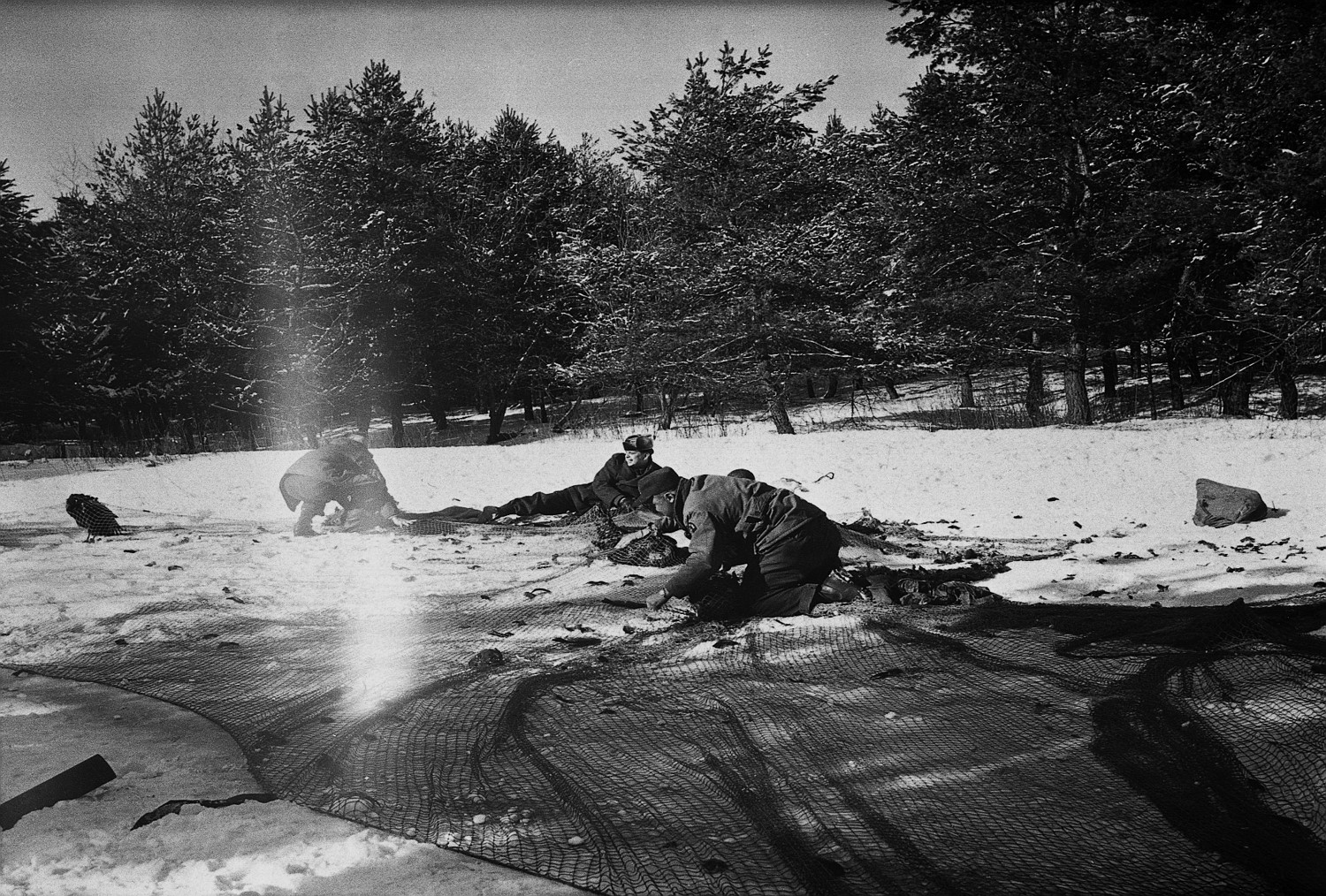
Turkey and Thanksgiving have gone hand in hand since colonial times, right? Not exactly. The decimation of wildlife followed by the restoration and return to huntable populations is no more evident than it is with wild turkeys
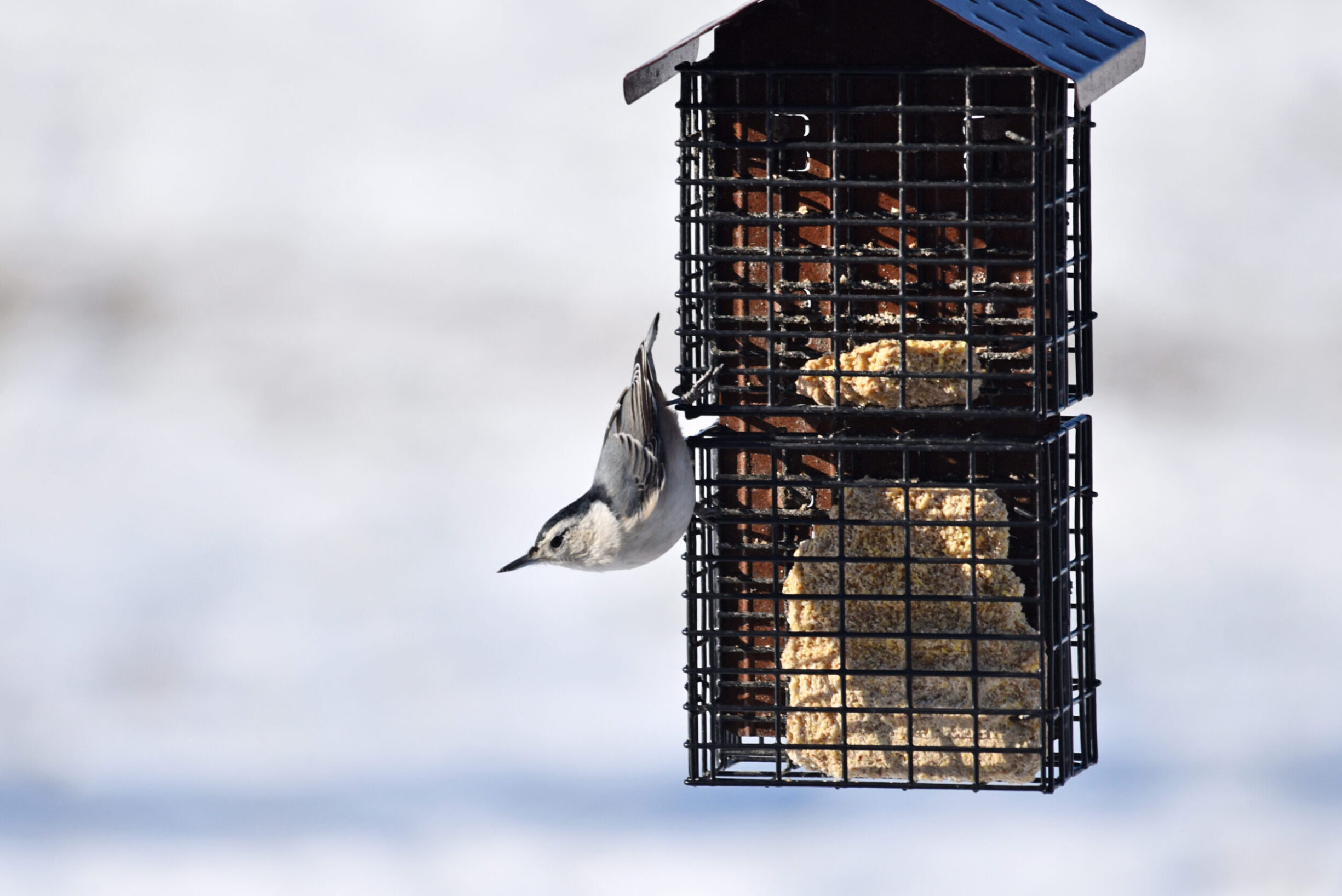
A robust number of birders exist in the United States. An addendum to the 2022 National Survey of Fishing, Hunting, and Wildlife-Associated Recreation (Survey) reveals that a great number of people take part in birding, be it at home or beyond their residence.
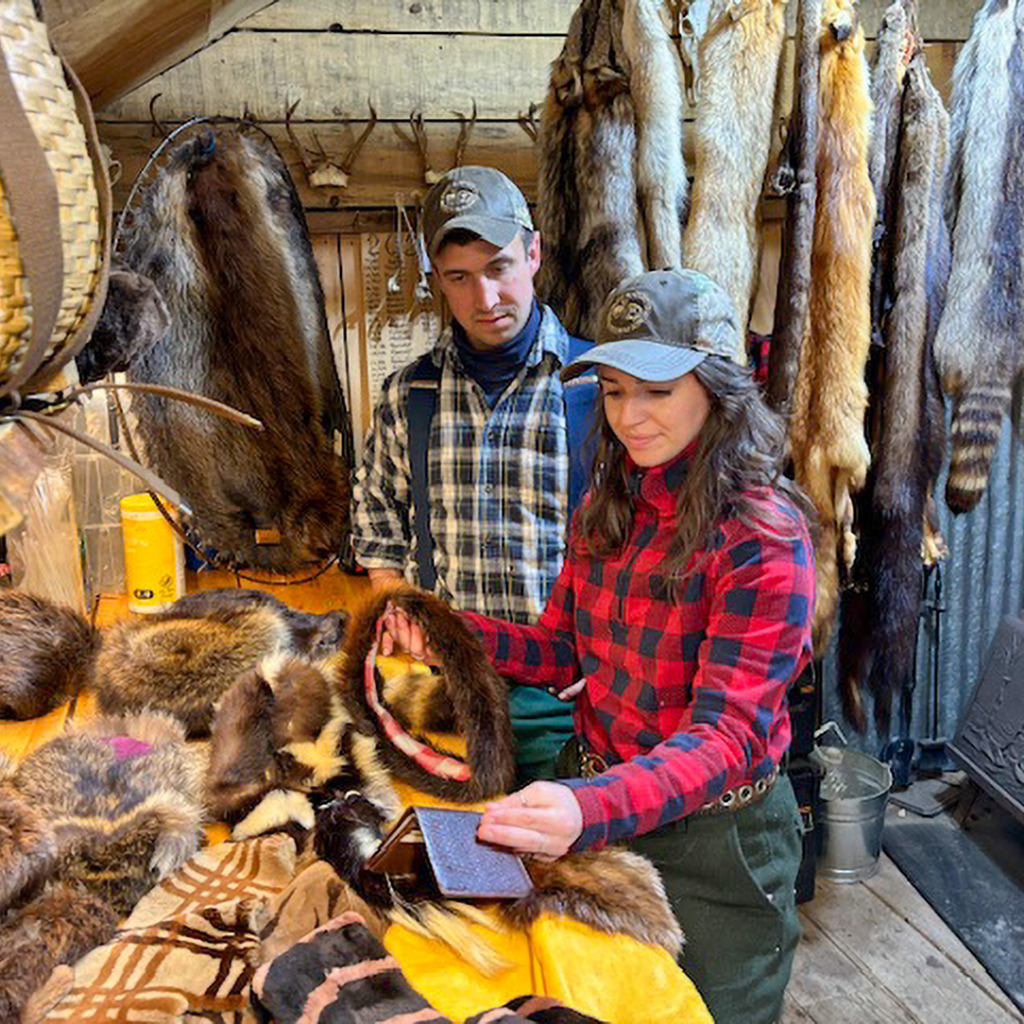
Trapping is highly regulated by the state fish and wildlife agencies; biologists set harvest rates, trapping seasons, bag limits, and restrict trap types. Pittman-Robertson dollars, the federal excise taxes paid by firearms, ammunition, and archery manufacturers on select goods, fund furbearer management.
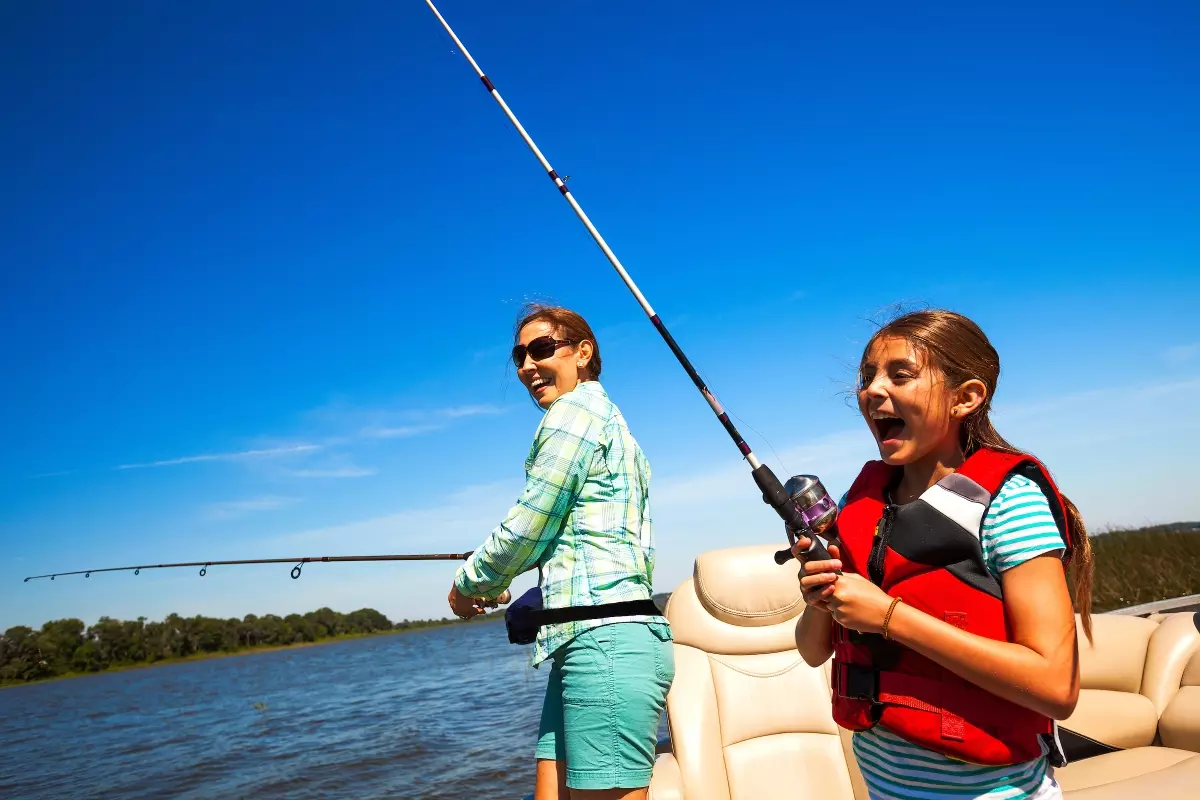
For more than half a century, America’s fishing equipment manufacturers have shared a partnership with state and federal biologists through the Dingell-Johnson Act — a partnership that uses excise tax to fund remarkable fisheries conservation and recreation.