Wildlife Watching in the United States
Wildlife watching is one of America’s most popular outdoor pursuits, connecting tens of millions of people to nature each year. From observing deer, spotting whales offshore, or watching songbirds in your backyard, wildlife watching gets people close to nature at home and across the country. For over 148 million wildlife watchers in the U.S., this pursuit fosters a deeper appreciation for the outdoors, encourages stewardship, and provides opportunities for people of all ages and abilities to engage with nature. Whether in urban parks, state or federal refuges, community forests, or coastal areas, wildlife watching creates lifelong connections to the landscapes and species that define the United States.
Wildlife Watching Access and Stewardship
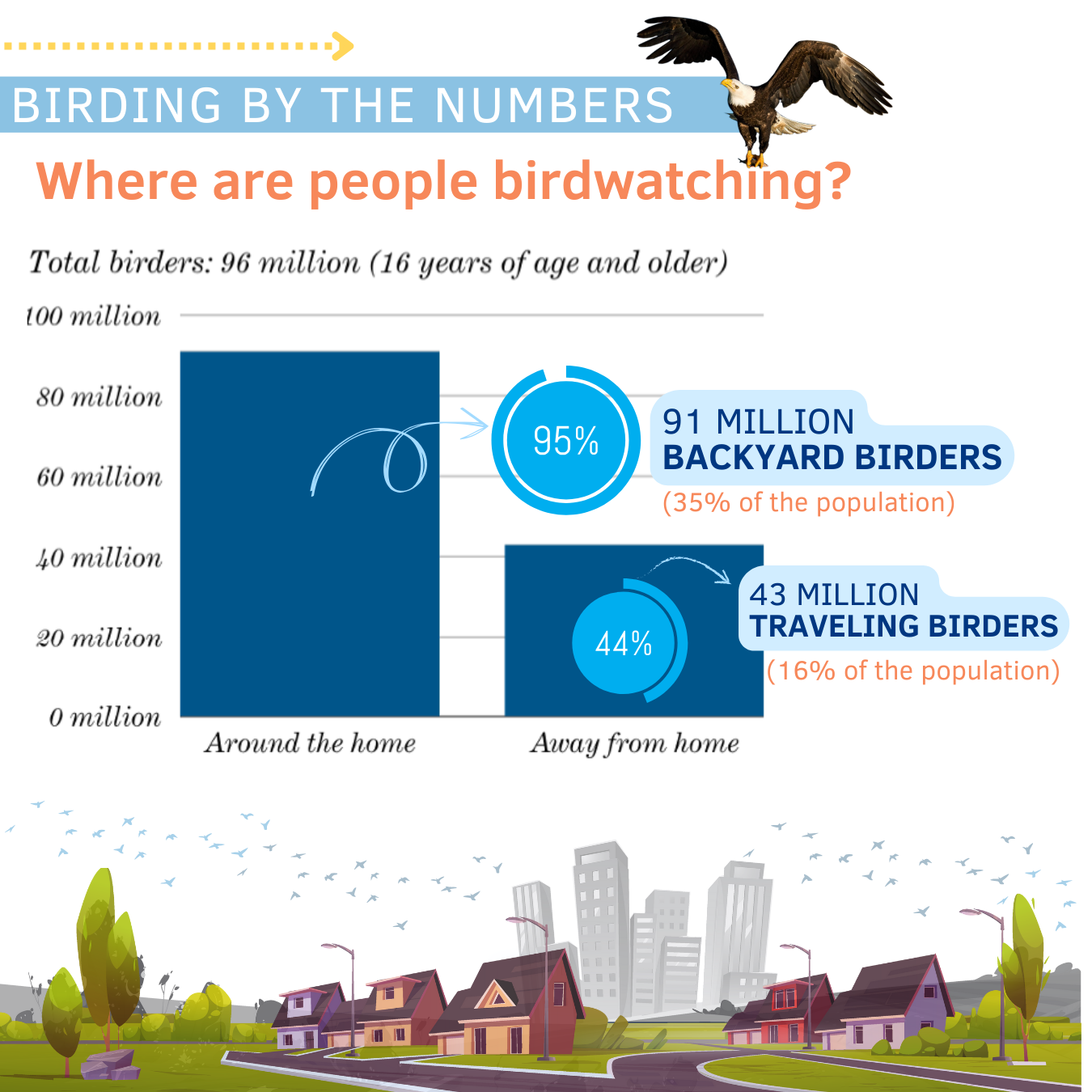
Wildlife watching doesn’t require long trips, special equipment, or expensive outings. It can begin right outside your door with wildlife in ordinary spaces people already use. Backyards, neighborhood parks, and local green spaces offer daily opportunities to observe birds, insects, and other wildlife going about their daily activities. A simple walk around your block or time spent near a window can reveal seasonal changes, animal behaviors, and surprising biodiversity in familiar places.
Local, state, and federal agencies support local and traveling wildlife watcher experiences by maintaining parks, trails, visitor centers, and natural areas. Their investments in walking paths, small habitat restoration projects, and interpretive signage make it easier for people to view and understand nature.
Whether observing a bird feeder, watching pollinators in a garden, or noticing animals in a neighborhood stream, wildlife watchers play an important role in stewardship. Simple actions like keeping a respectful distance, reducing noise, keeping pets on a leash, and staying on trails can help the wildlife found in these spaces.
Birding in the United States
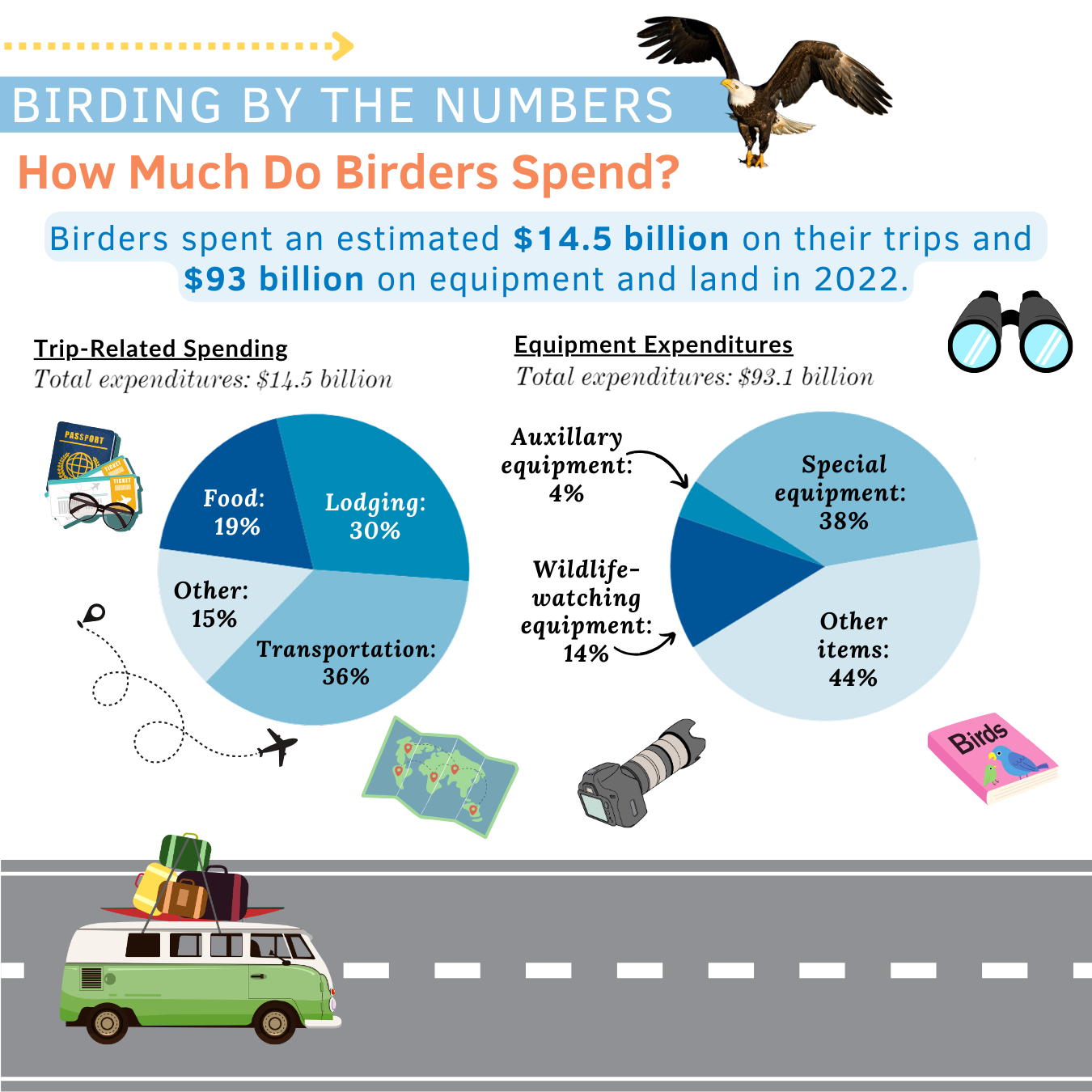
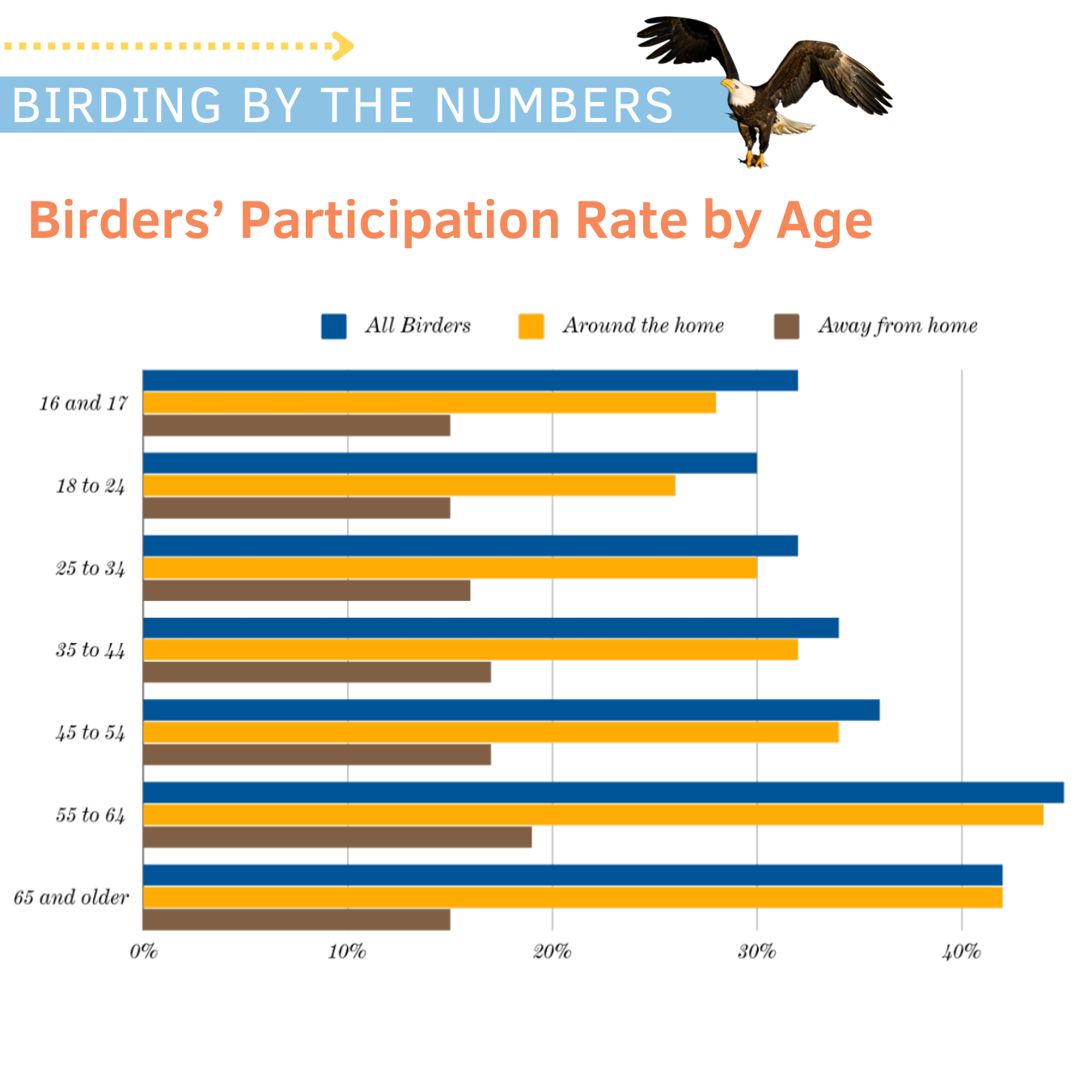
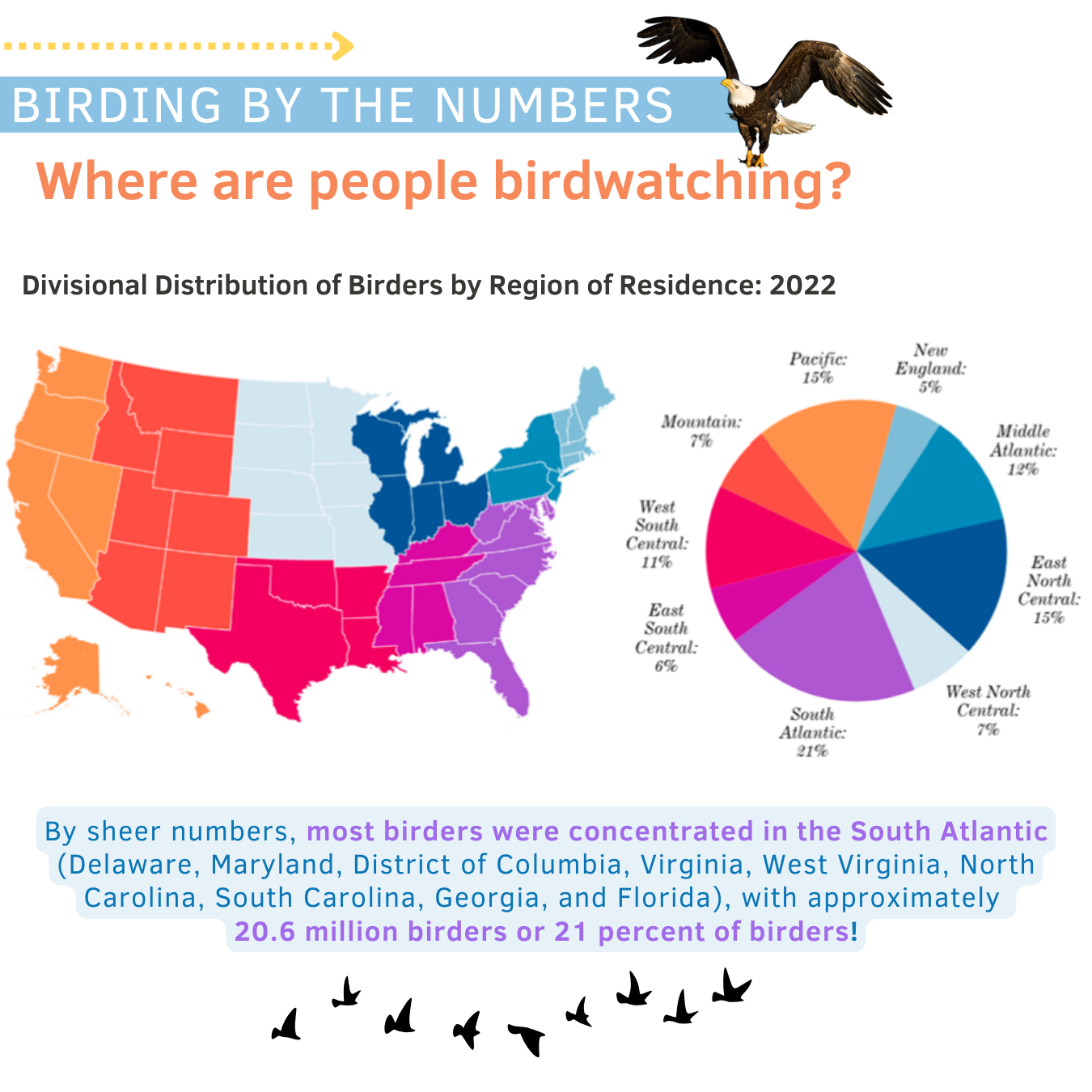
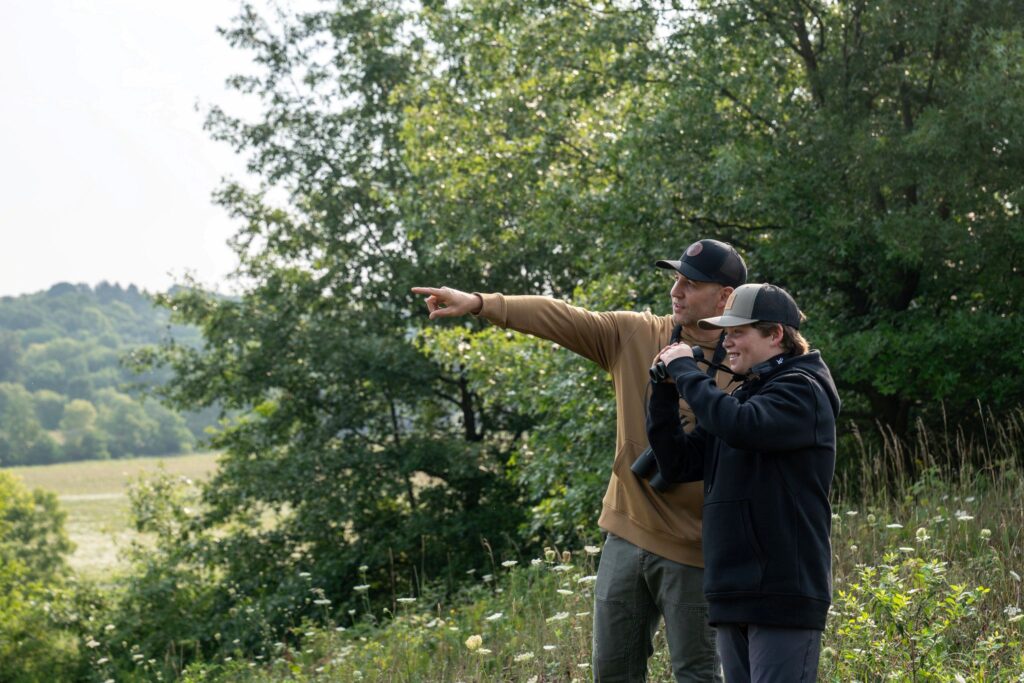
Birding is one of the most accessible and popular forms of wildlife watching. According to the most recent National Survey of Fishing, Hunting, and Wildlife Watching (The National Survey), more than 96 million Americans participate in bird watching. Bird watchers span all ages and backgrounds, with many participants engaging at home through feeders and backyard habitats, while others travel to state and federal parks, outdoor spaces, and migration hotspots. Biring can provide enjoyment, relaxation, connection, and science with birders contributing valuable data through citizen science programs like the Christmas Bird Count that tracks bird populations and migration patterns.
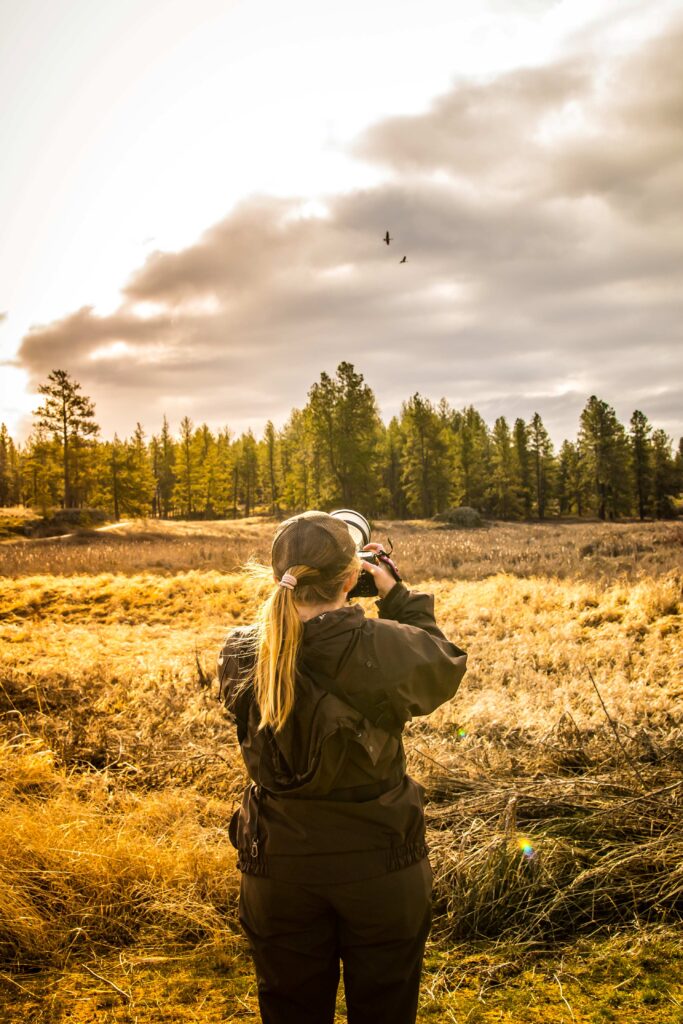
Wildlife Watching Boosts Local Economies
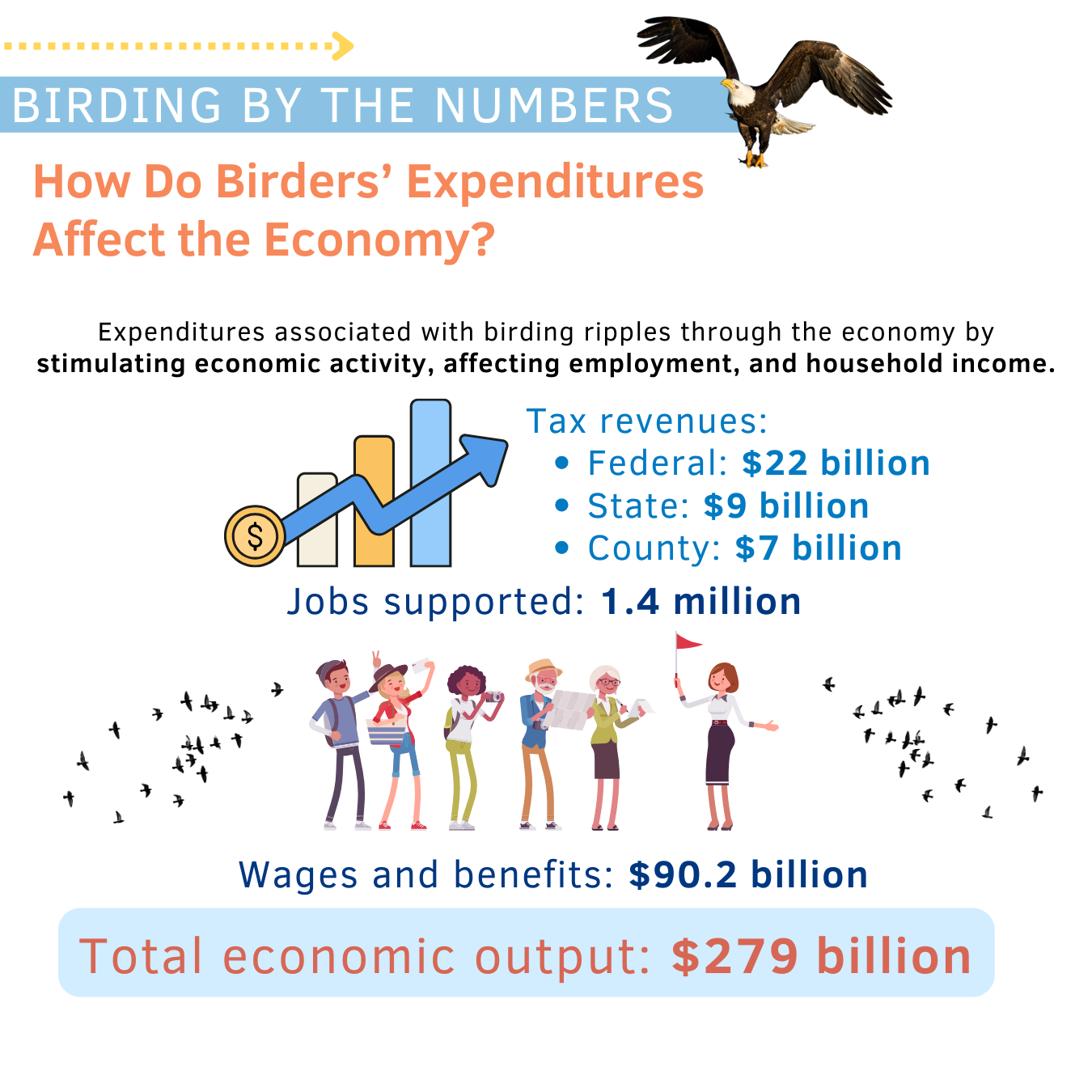
From seasonal migrations that draw visitors across the country to year-round viewing opportunities in parks, open spaces, and backyards wildlife watching helps sustain local businesses and significantly contributes to the economy. According to the 2022 National Survey, wildlife watchers spent over $250 billion on travel, equipment, lodging, and activities related to this pursuit. These expenditures support jobs in outdoor recreation, tourism, and conservation management.
Get Involved
Wildlife watching can be more than a pastime, it’s a gateway to discovery, relaxation, and science. It offers a chance to slow down, look closer, and connect with the incredible diversity of wildlife across the United States. The quiet moment of spotting a deer at dusk, the excitement of seeing a rare bird migrating through, or the simple joy of watching wildlife in your backyard can create memories and deepen your appreciation for the natural world.
Getting started is easy. Visit a state, federal, or community park or natural area, bring a pair of binoculars or a camera, and spend some time observing the wildlife around you. Many agencies offer maps, guides, and programs to help you explore your local opportunities. Visit your state fish and wildlife agency’s website, explore nearby public lands, or spend some time in your own neighborhood to get started.
Right-click on the images below and select “Save As” to download these Birding by the Numbers infographics for your use.