Regulated Trapping: A Time-Honored Outdoor Pursuit and a Modern Conservation Tool
Trapping is a safe, highly regulated outdoor pursuit that engages thousands of Americans each year. Rooted in a deep cultural and conservation heritage, trapping combines patience, skill, and respect for wildlife. For many participants, this activity is a way of life that fosters a close connection to the land, sustainable use of wild resources, and a meaningful role in helping to manage the balance between people and wildlife.
Trapping has been part of North American wildlife management for centuries. Today, regulated trapping remains an essential management tool used by state, federal, and tribal fish and wildlife agencies to conserve furbearers and maintain healthy ecosystems.
Best Science-Based Management Practices
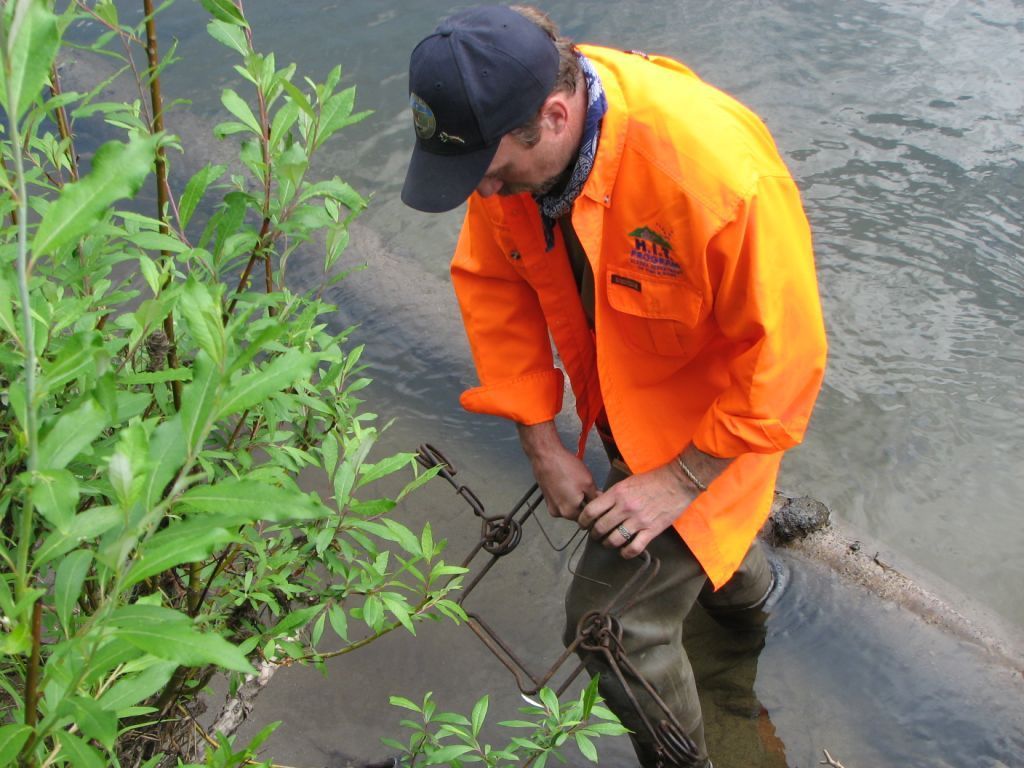
Modern trapping is guided by rigorous research and animal welfare standards. The Association of Fish and Wildlife Agencies (AFWA) coordinates the Furbearer Management and Best Management Practices (BMPs) for Trapping Program, a science-driven partnership that evaluates traps and techniques to identify safe, selective, , efficient, and practical traps and trapping techniques that focus on animal welfare. State and territorial fish and wildlife agencies incorporate these BMPs into their programs.
States also regulate trapping to ensure effective management of wildlife populations. These laws include restricted trapping seasons with bag limits, mandatory daily checking of traps, restrictions on the types and size of traps, and other species-specific elements. These science-based rules are strictly enforced by conservation officers, and all trappers are required to obtain licenses in every state to participate. In addition, trapper education courses are offered at both the National and state level to ensure that new trappers acquire the fundamental knowledge necessary to exercise safe, legal, respectful, and responsible trapping practices.
The Use of Traps in Modern Wildlife Management
Because regulated trapping is one of the tools that state and federal agencies use to manage wildlife populations, licensed trappers are, in essence, performing an important service to society. Regulated trapping provides benefits for people and wildlife including:
- Population Management:Trappers help maintain balanced populations of abundant species, reducing property damage, habitat degradation, or risks to public health (such as rabies)
- Species Conservation:Agencies use trapping to protect endangered species during vulnerable life-cycle periods (such as sea turtles or ground-nesting birds). Trapping is directed at species that are preying on nests of these vulnerable endangered species.
- Habitat Protection:Trapping can limit damage to forests, wetlands, and agricultural lands (such as flooding caused by beaver), supporting healthy ecosystems for a wide range of species.
- Trapping has also been the tool to reintroduce extirpated populations (such as river otters, gray wolves, and beavers) throughout their historic range and to gather scientific data on population size, health, and distribution.
Stories that show how coordinated partnership efforts use regulated trapping to meet conservation goals:
Funding Conservation Through Partnership
The U.S. Fish and Wildlife Service’s Office of Conservation Investment (OCI) works hand-in-hand with state fish and wildlife agencies to support regulated trapping and furbearer management.
OCI administers the Pittman–Robertson Act (Wildlife Restoration), a grant program that direct manufacturer-paid federal excise taxes on firearms, ammunition, and archery equipment and license revenues back to state fish and wildlife agencies. When trappers purchase licenses and permits, those dollars—combined with the federal excise tax revenues—form the American System of Conservation Funding, one of the most successful user-pay, public-benefit programs in the world.
Through this collaborative funding model, trapping license revenues and excise taxes support habitat restoration, species monitoring, trapper education, and public access projects. Handouts developed in partnership with states and national organizations, such as A Closer Look: Regulated Trapping Participation and Expenditures in the U.S. and Furbearers As Food: How Harvested Beavers Provide Bountiful Sources of Food, highlight the economic and cultural impact of regulated trapping.
Economic Contributions of Regulated Trappers
Trappers not only provide important wildlife management benefits but also contribute significantly to local and national economies through their participation. On average, they dedicate 36.4 days each year to trapping, generating steady demand for transportation, fuel, lodging, and gear.
Their work often involves the local community—62% report being contacted by landowners to help with wildlife causing damage, and 69% say this kind of removal plays at least some role in their activities. Trappers overwhelmingly operate close to home, with 95% staying in their own state and 72% primarily on private land, meaning their expenses largely benefit local economies. Beyond trapping, their contributions extend across the outdoor economy: 95% also hunt wild game, 92% fish, and 68% maintain a vegetable garden, reinforcing a lifestyle that ties personal expenditures directly to land stewardship and community well-being.
A Sustainable Future
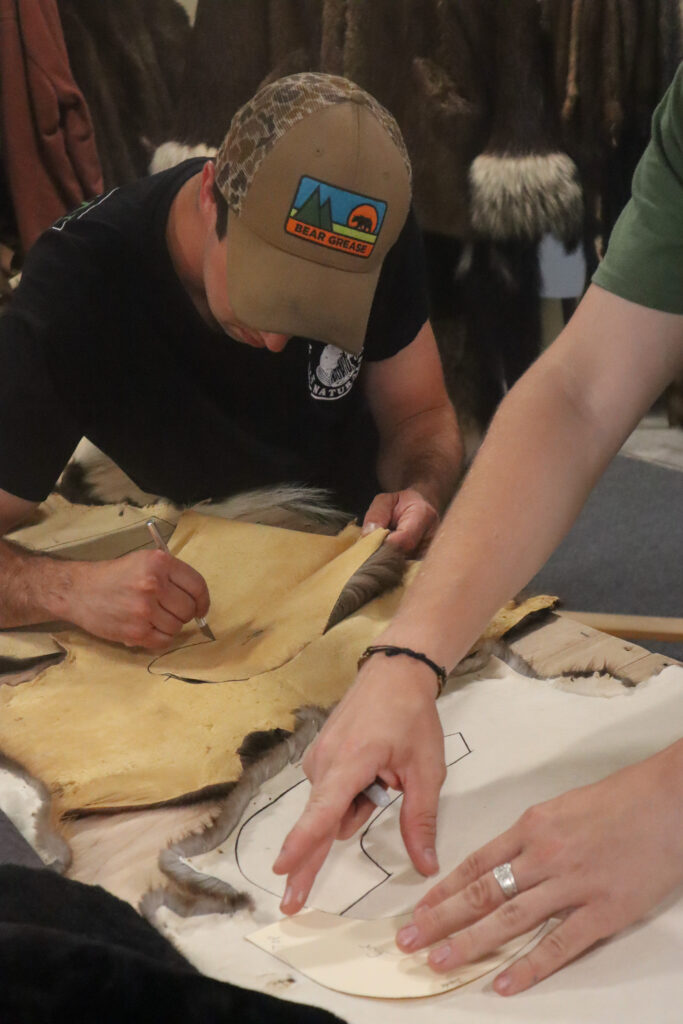
By blending cultural conservation heritage with modern science and cooperative funding, today’s trappers help ensure that wildlife and their habitats are conserved for future generations. Through strong partnerships—among state agencies, conservation organizations, industry, and the U.S. Fish and Wildlife Service’s Office of Conservation Investment—regulated trapping remains an important outdoor pursuit and a proven wildlife management tool across the United States.