Hunting in the United States
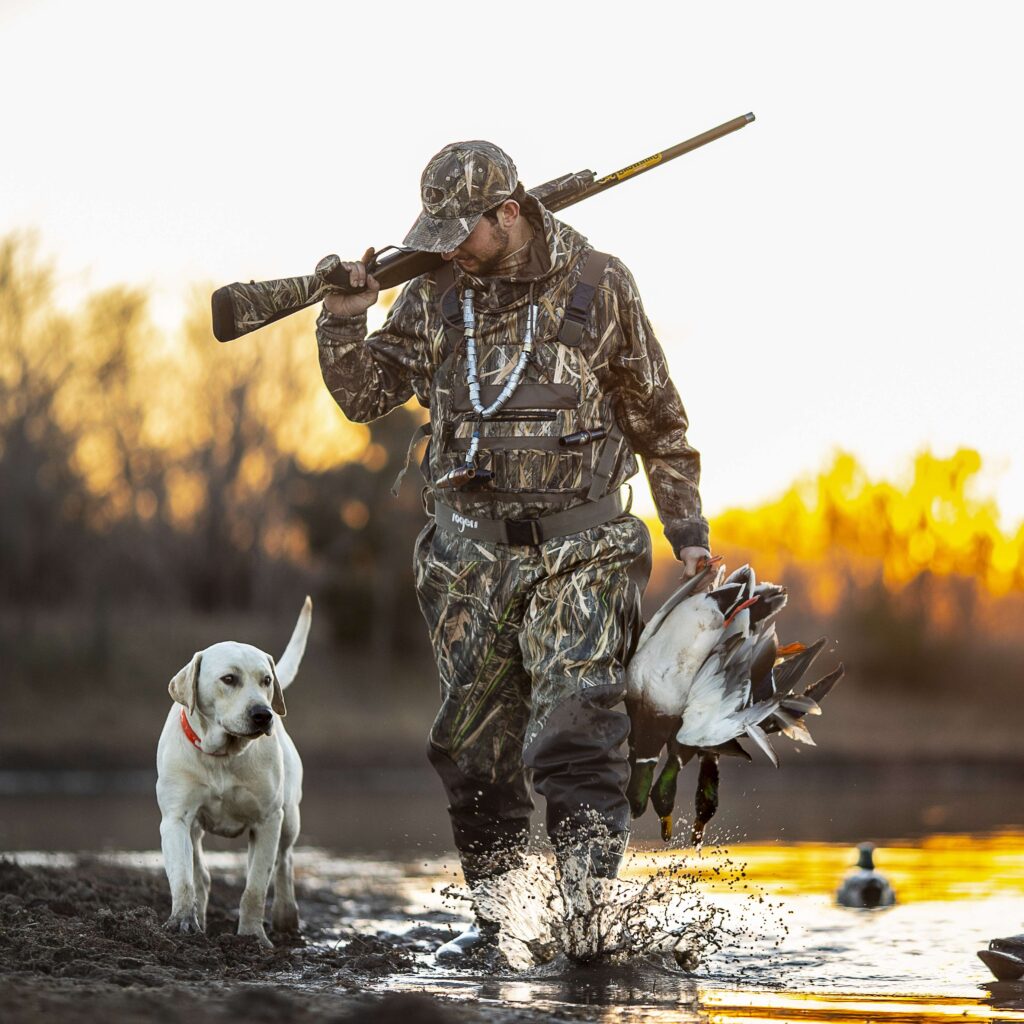
Regulated hunting is an outdoor pursuit enjoyed by more than 14 million Americans each year, connecting people with nature while bringing families and communities together in meaningful ways. They spend hundreds of millions of days afield in pursuit of deer, elk, turkey, waterfowl, and other game. Hunting is regulated by state fish and wildlife agencies and wildlife hunting laws are enforced by over 9,000 state and federal officers nationally.
Of more than 1,150 species of birds and mammals in North America, only about 12.5% are legally pursued by licensed hunters. For many, it is a time-honored practice that blends skill, patience, and heritage with shared experiences outdoors.
Hunting is as old as human existence. In contemporary America hunting is a legal activity that is regulated by state and federal agencies. Government surveys conducted every five years since 1955 have documented the importance of this pursuit in the lives and lifestyles of Americans. The cultural, economic, and social importance of hunting are well documented—with wildlife as a food source threading through these elements.
Hunting and Wildlife Management
Beyond its cultural and social value, hunting remains a cornerstone tool of wildlife management and conservation. Wildlife populations grow beyond the land’s capacity to support them, which can lead to habitat degradation, disease, and property damage. Licensed hunters who harvest surplus wildlife keep these populations in balance with habitat conditions and human presence on the landscape. Regulations guided by science inform restrictions and harvest quotas, set by state and territorial fish and wildlife agencies, that ensure the efficacy of hunting as a tool. Hunters’ influence on conservation outcomes is enduring and deeply rooted in America’s outdoor heritage.
Funding Wildlife Conservation Through Partnership
Hunting sustains conservation through a unique funding model. Revenue from state hunting licenses, permits, and tags is paired with federal manufacturers excise taxes on firearms, ammunition, and archery equipment collected under the Pittman-Robertson Act (Wildlife Restoration).
Since its passage in 1937, this act has generated billions of dollars for wildlife restoration projects to restore, conserve, manage, and enhance wild birds and mammals (both hunted and non-hunted species) and their habitats. States and territories also use these funds to support access for wildlife-related activities, hunter and trapper education and development, and the construction and operation of public target shooting ranges.
Every outing in the field not only offers outdoor pursuit but also reinvests directly into the future of America’s wildlife and wild places. Learn more about how hunters and industry partners collaborate to sustain this success in The Enduring Importance of Hunting & Fishing. This funding of wildlife protection and conservation by hunting fees may seem paradoxical, but for nearly nine decades it has resulted in billions of dollars for conservation programs.
Motives and Outcomes of Hunting
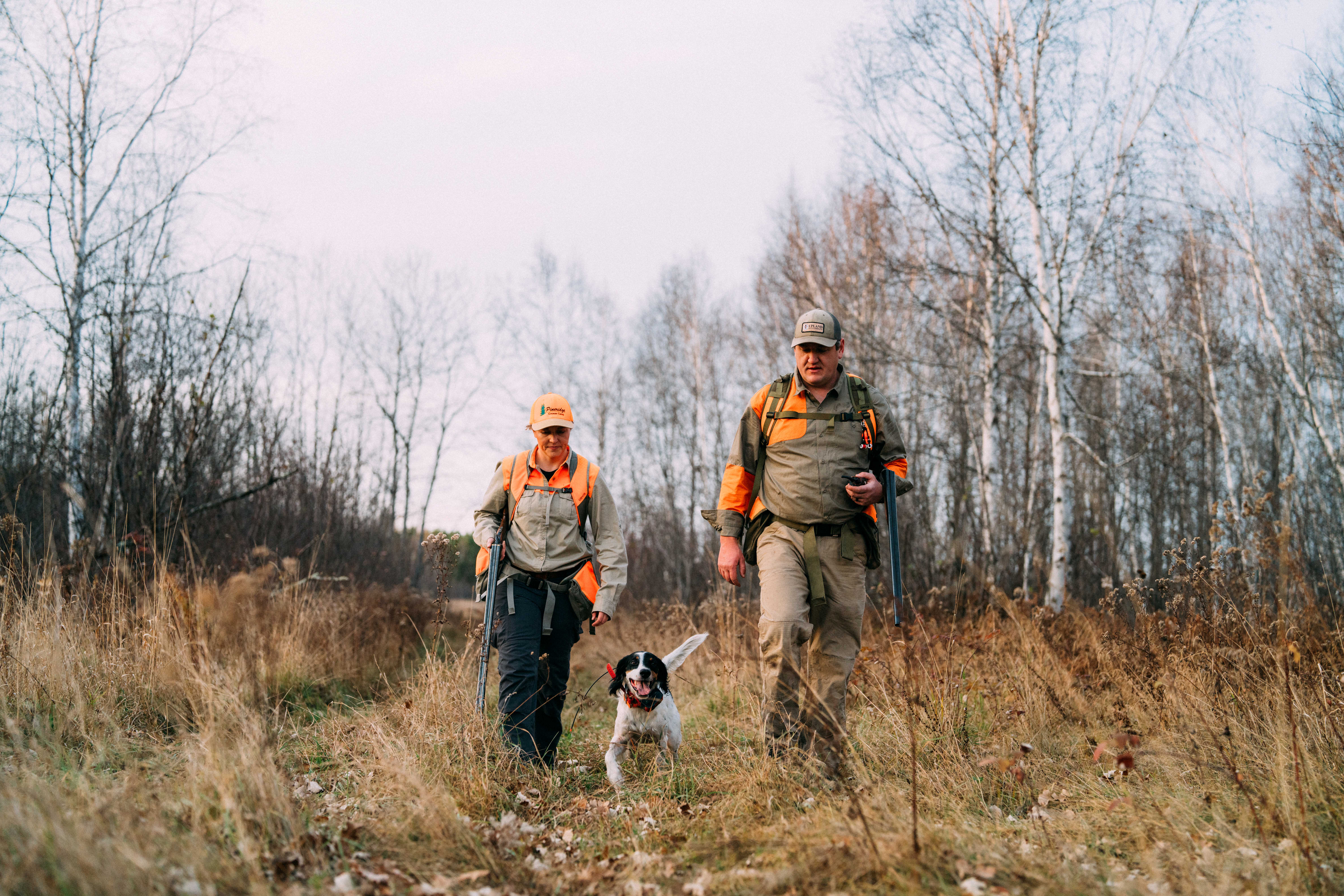
Government surveys of hunters in the United States, list reasons for hunting include for food (90% of hunters), the challenge, being close or connected to nature, to know where their food comes from, and to spend time with family and friends. In the United States between 2014 – 2023, a total of 114 species of wildlife could be lawfully hunted. An estimated 56 million animals were harvested by hunters, that translates into over 1.6 billion meals (over 1,048 million meals of white-tailed deer alone), locally sourced from forests and fields and wetlands near where they live. On average 93-97% of successful hunters report sharing the food they harvest with members of their family and their neighbors. The sharing of wild harvested food is an element of etiquette and custom from hunters to other hunters and many households who do not hunt. (Source: Wild Harvest Initiative™)
Hunting Fuels Local Economies
Hunters spend tens of billions of dollars each year on trips, equipment, and related costs. These dollars ripple across communities, supporting jobs and local economies. Importantly, hunters often engage in conservation beyond the harvest of wildlife. A large majority also participate in wildlife watching, underscoring their broader interest in the outdoors and the health of nature. Hunters embody a marriage between conservation heritage and responsibility, carrying forward an outdoor pursuit while playing an essential role in sustaining wildlife and conservation for generations to come.
For a deeper look at how hunting drives economic vitality in communities across the nation, see Big-Game Hunting is a Healthy Flywheel in an Economic Engine.