Drones and Whitetails
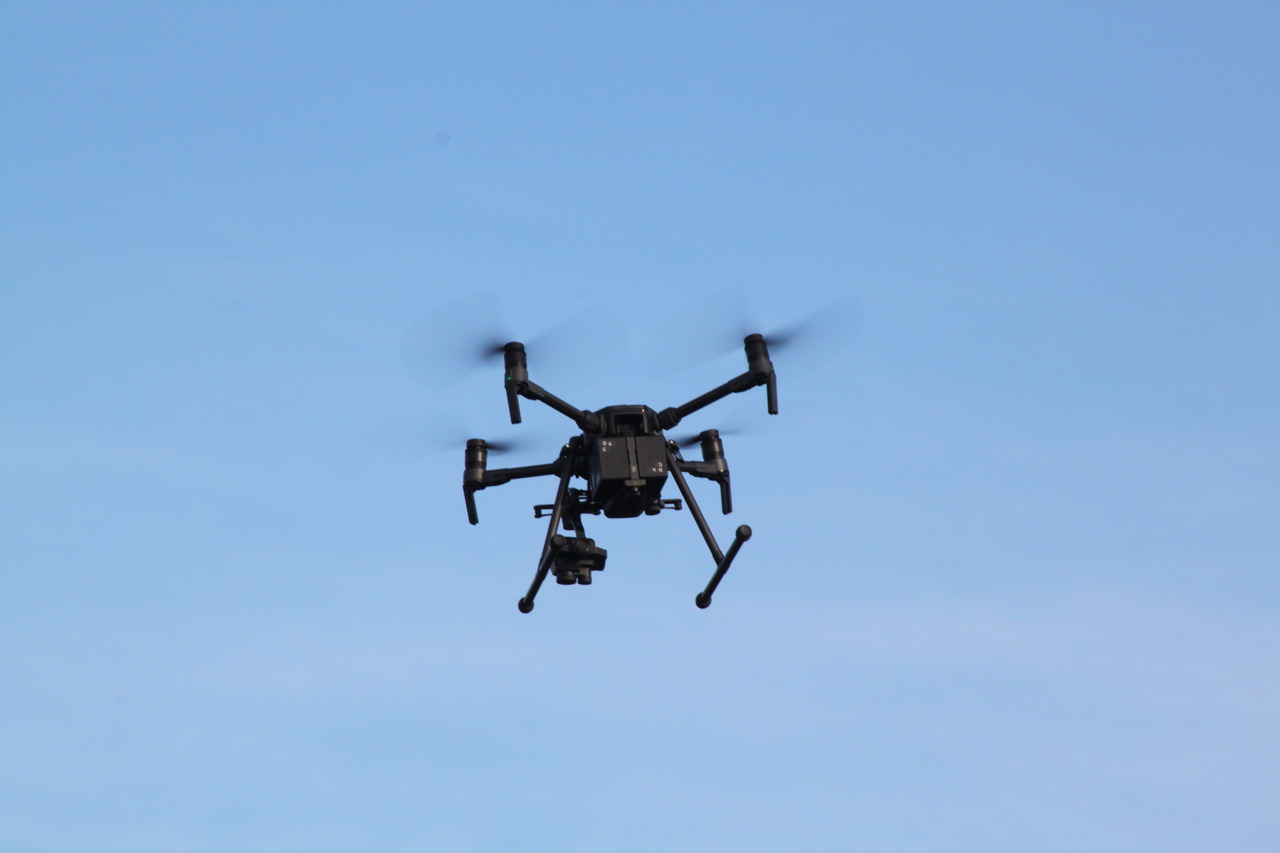
The leading-edge conservation work was an intersection science, technology, know-how, and reliable Pittman-Robertson funding—the federal excise taxes paid by the manufacturers of firearms, ammunition, and archery gear.

The leading-edge conservation work was an intersection science, technology, know-how, and reliable Pittman-Robertson funding—the federal excise taxes paid by the manufacturers of firearms, ammunition, and archery gear.
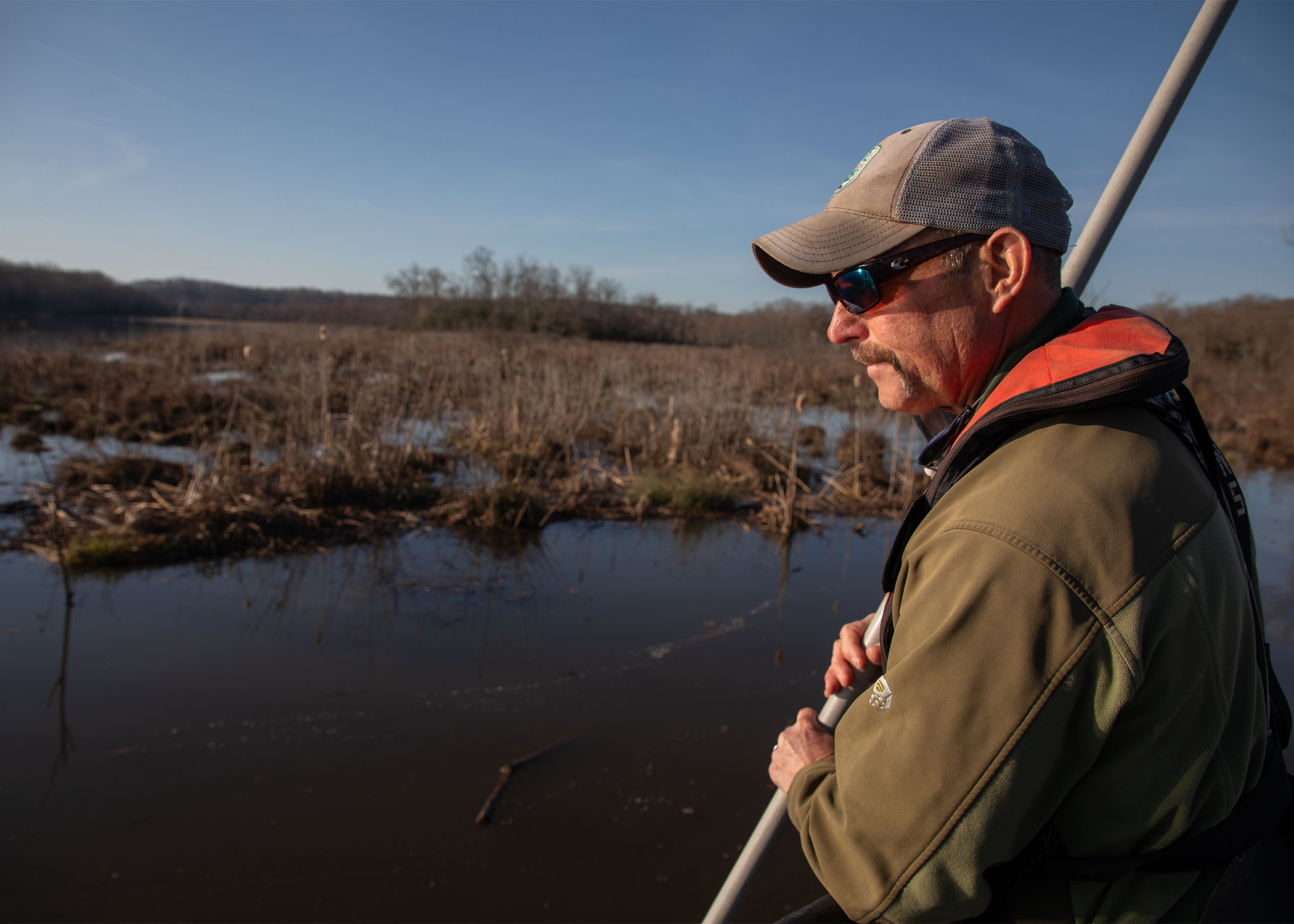
With funding from the Sport Fish Restoration Act, Virginia DWR has been collecting data and building one of the most expansive long-term snakehead research repositories to understand how the non-native fish are interacting with Virginia fish communities. The species has established itself in creeks, rivers, and even reservoirs through illegal introductions.
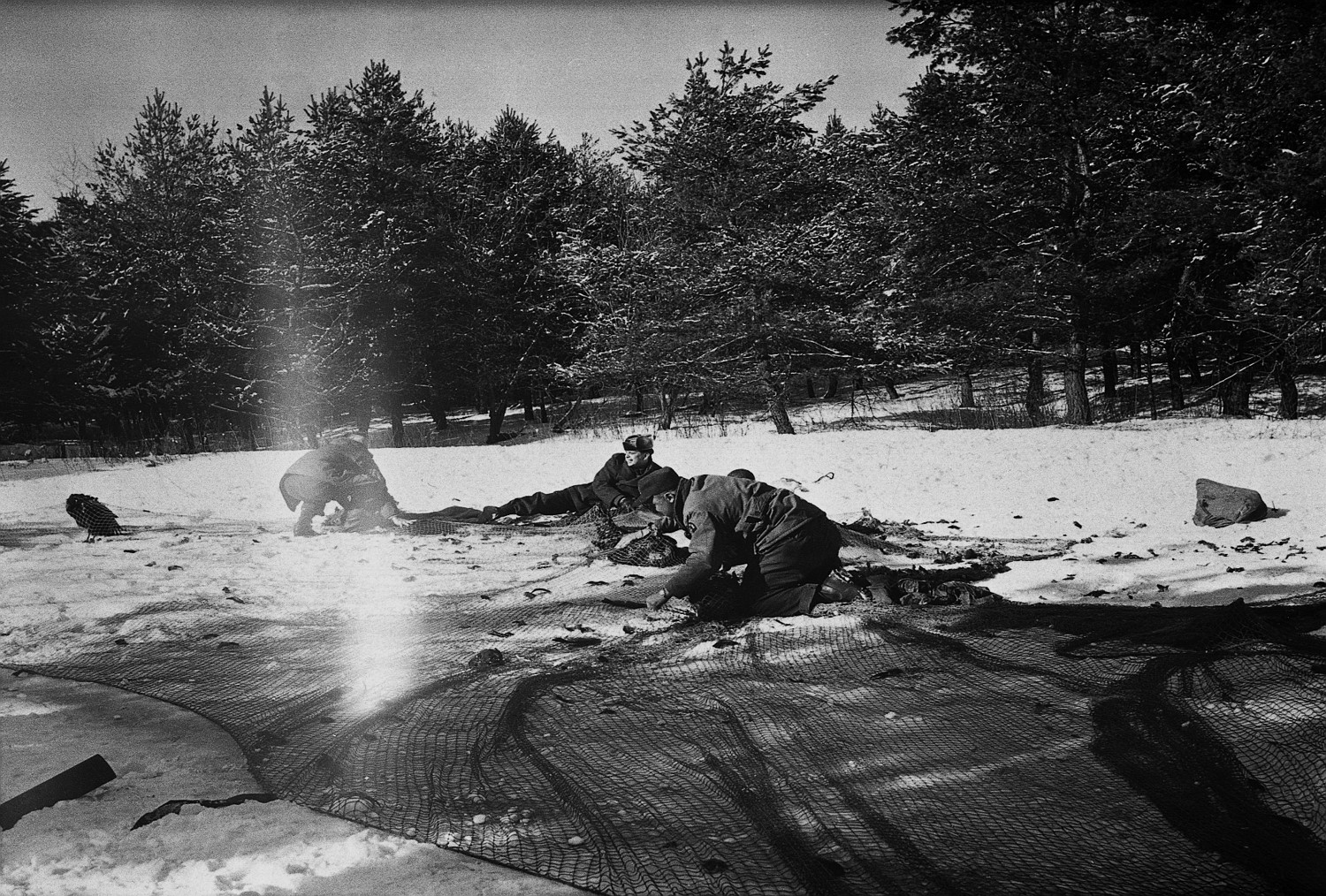
Turkey and Thanksgiving have gone hand in hand since colonial times, right? Not exactly. The decimation of wildlife followed by the restoration and return to huntable populations is no more evident than it is with wild turkeys
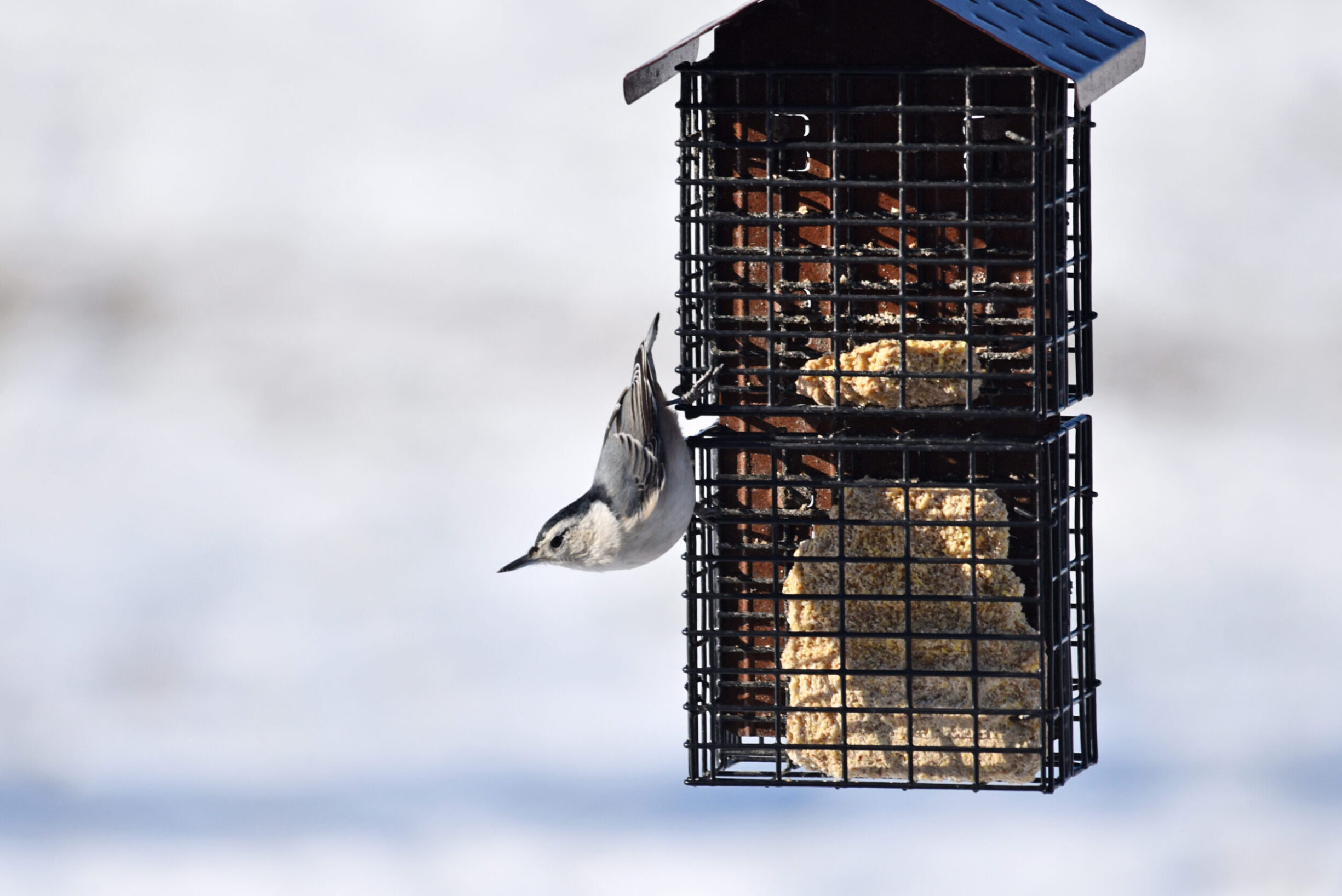
A robust number of birders exist in the United States. An addendum to the 2022 National Survey of Fishing, Hunting, and Wildlife-Associated Recreation (Survey) reveals that a great number of people take part in birding, be it at home or beyond their residence.
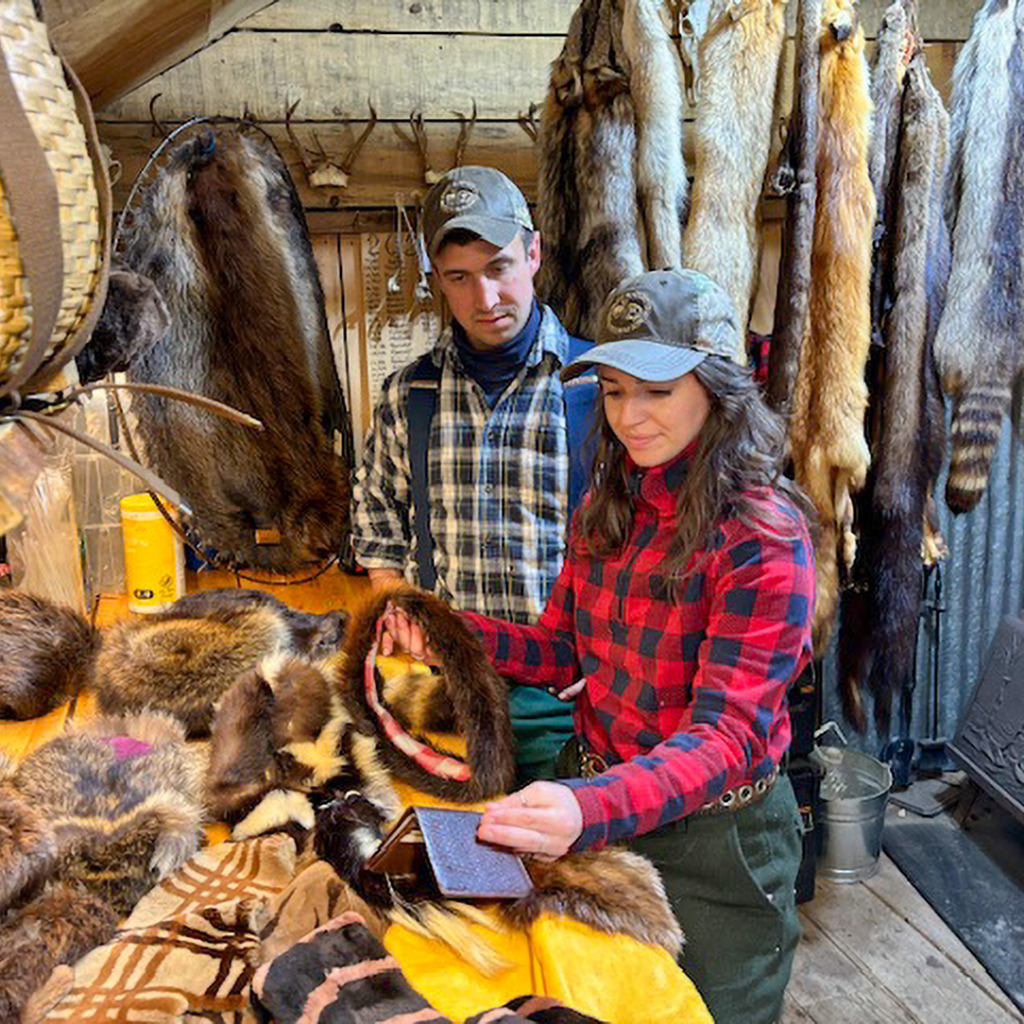
Trapping is highly regulated by the state fish and wildlife agencies; biologists set harvest rates, trapping seasons, bag limits, and restrict trap types. Pittman-Robertson dollars, the federal excise taxes paid by firearms, ammunition, and archery manufacturers on select goods, fund furbearer management.
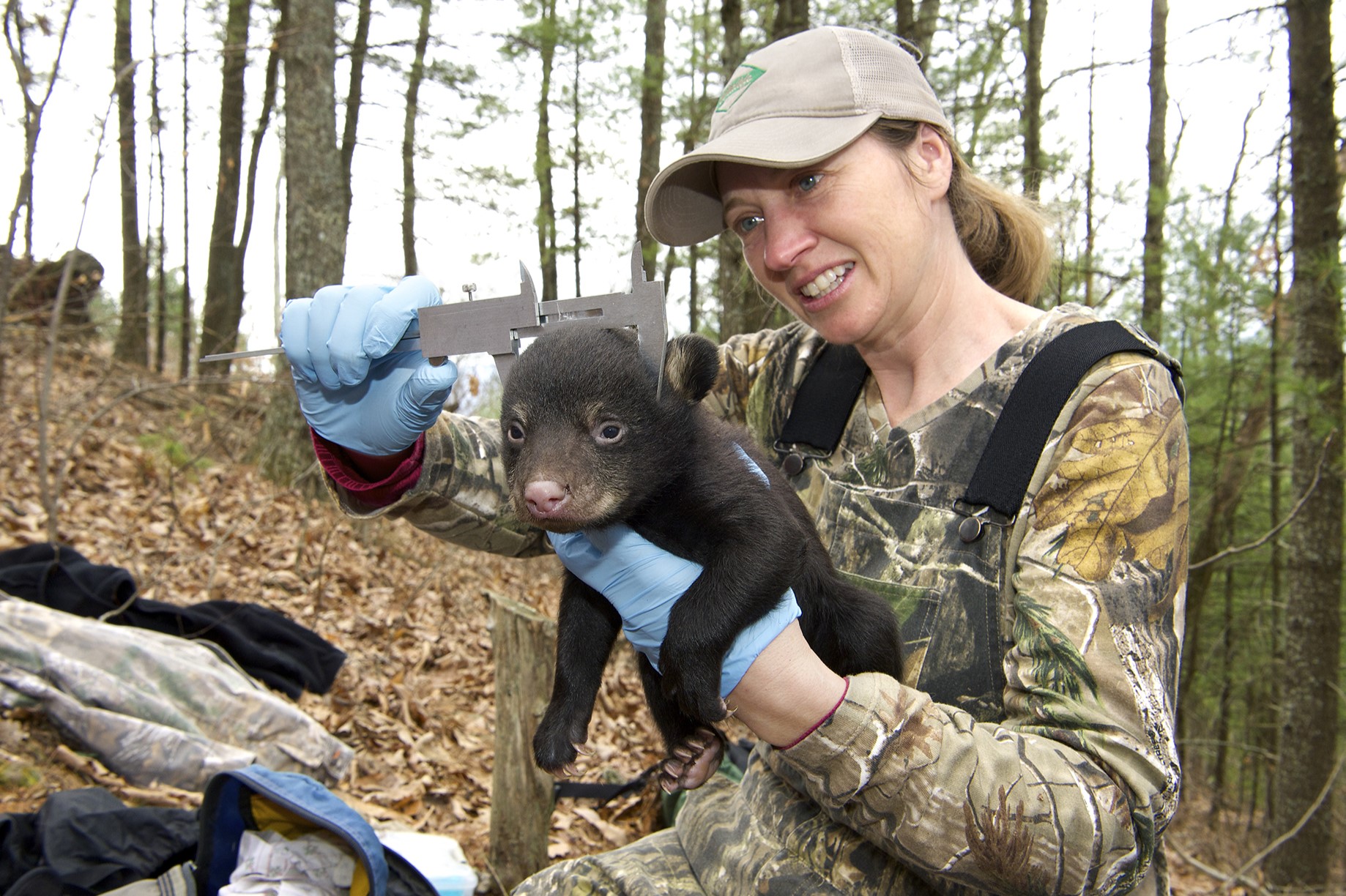
In these first beautiful days of winter, something splendid transpires in nature. Black bears are well into their long hibernation, having stocked up the fat stores to get through the cold months.
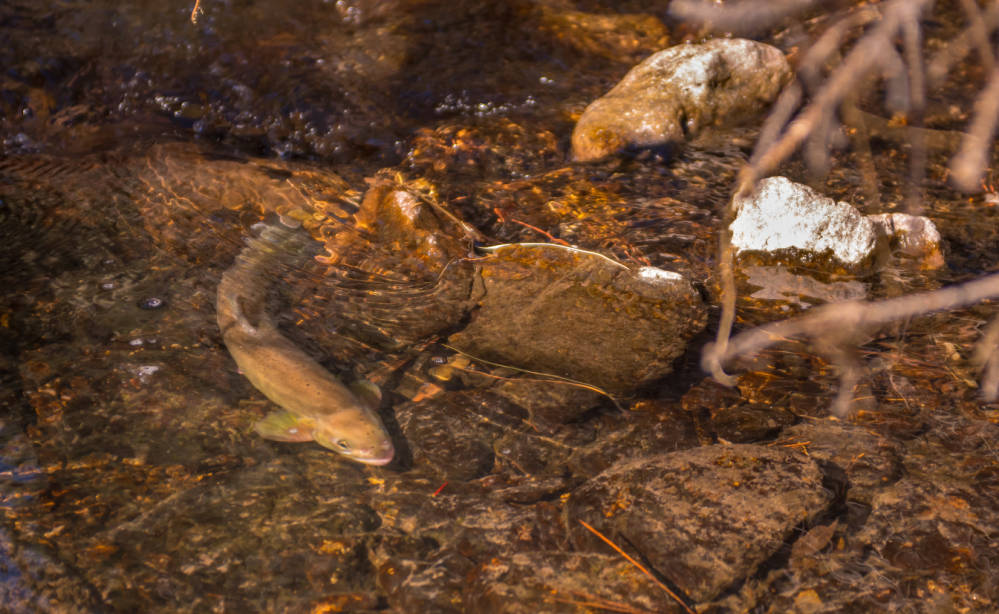
James Ohio Pattie by our best reckoning was the first to record catching Gila trout. The man led a beaver trapping expedition from Kentucky that traversed today’s American Southwest shortly after Mexico achieved its independence from Spain.
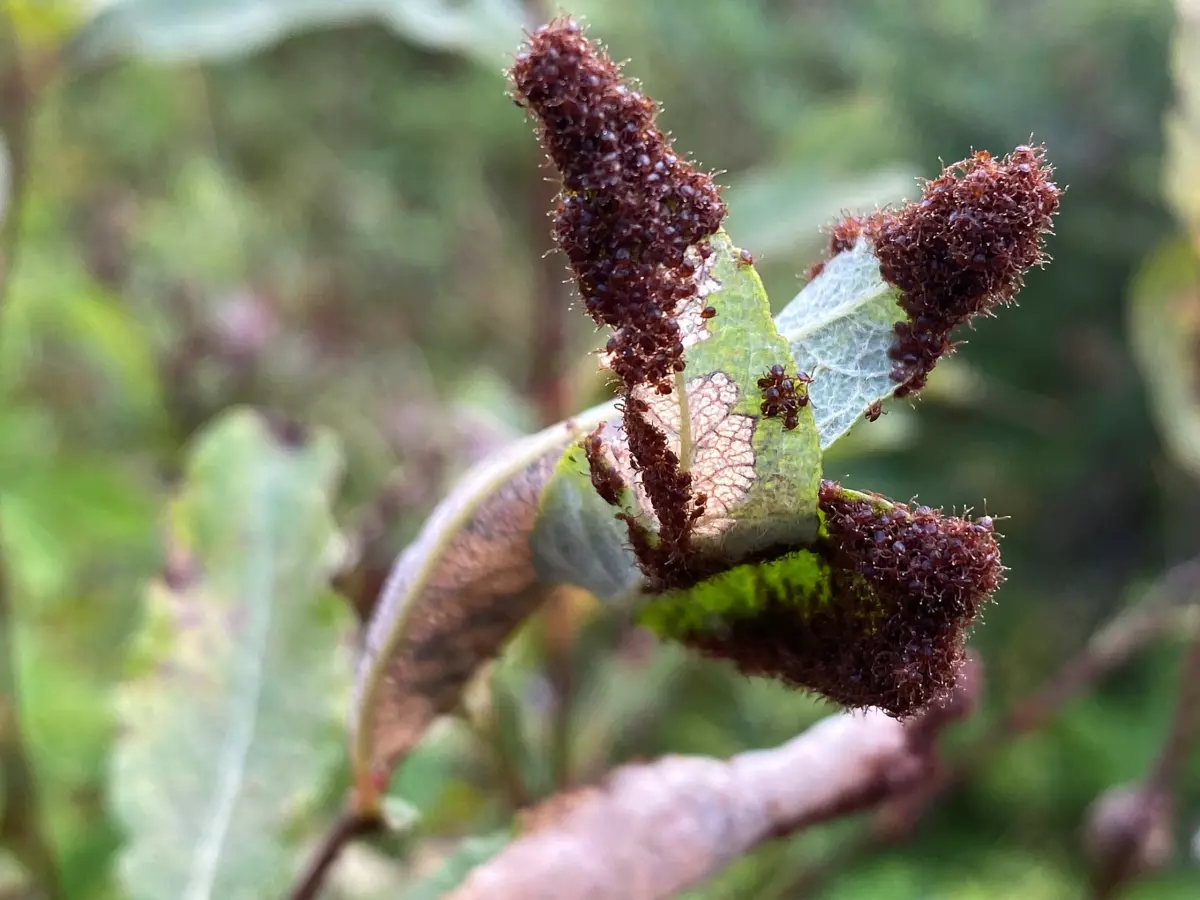
Winter ticks, also known as moose ticks, typically feed on the blood of large mammals and cause stress and mortality for moose populations across the U.S. and Canada. A single moose can carry over 40,000 ticks and winter ticks have caused over 90 percent of moose calf mortalities in Vermont in recent years.
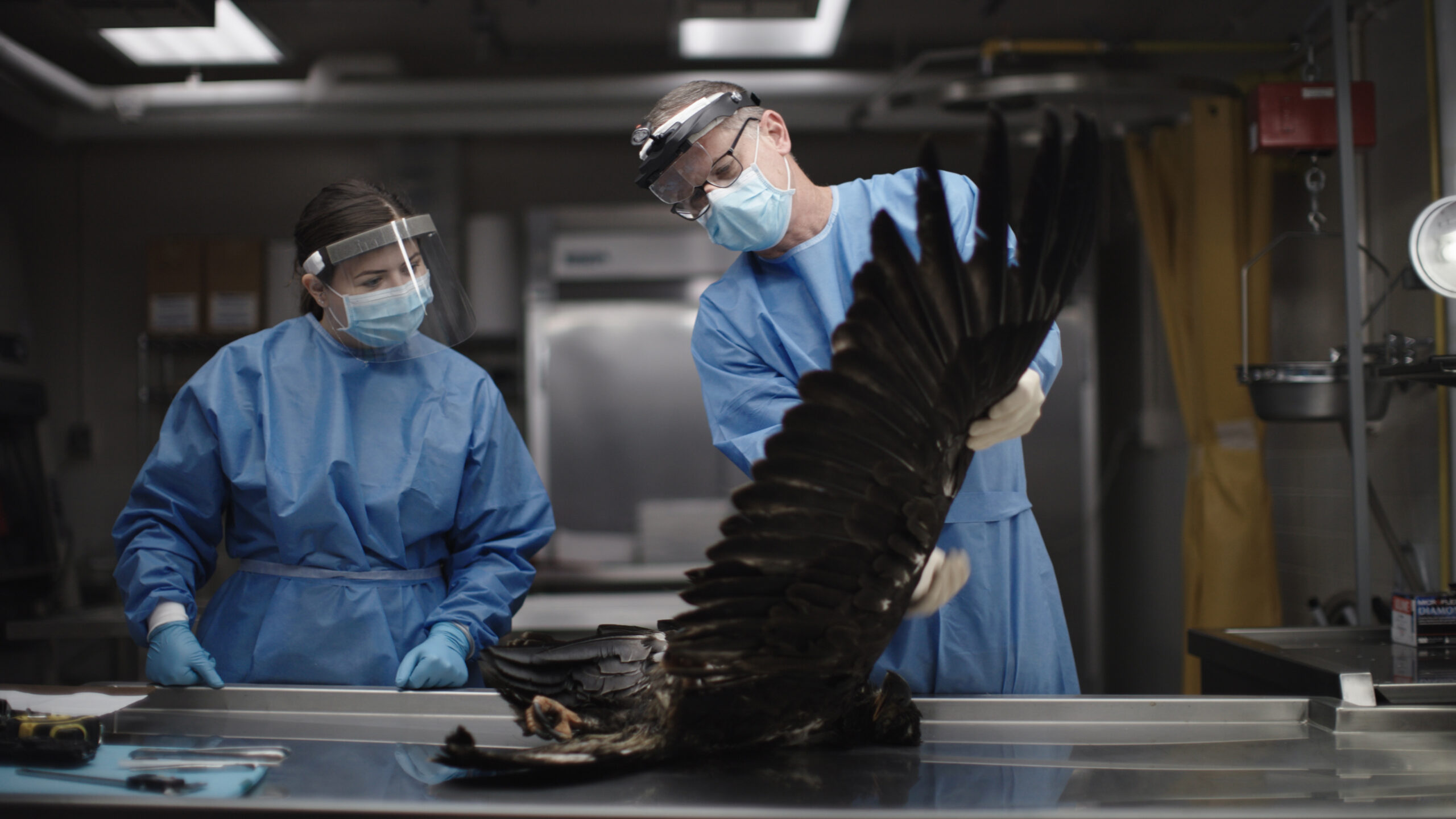
Indiana, Idaho, and Oregon are vastly different places, yet they must deal with wildlife diseases in common… State fish and wildlife agencies also have in common the reliable and consistent funding available to them via Pittman-Robertson dollars to see the work through.
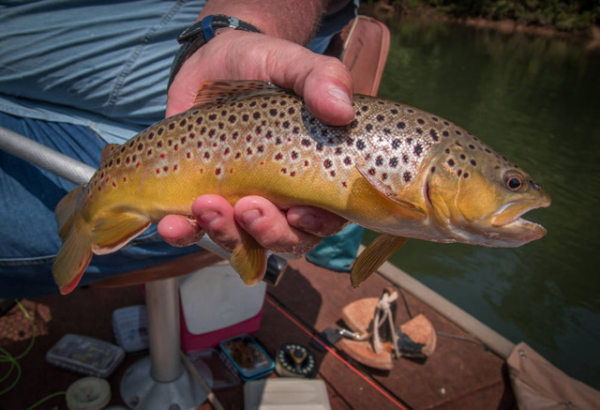
To learn more about how brook trout fare over a long span of time in the presence of brown trout, biologists John Odenkirk and Mike Isel with the Virginia Department of Wildlife Resources (VDWR) examined a large amount of data—nearly 25 years’ worth of information—on brook and brown trout in the Rapidan and Conway rivers of northern Virginia.
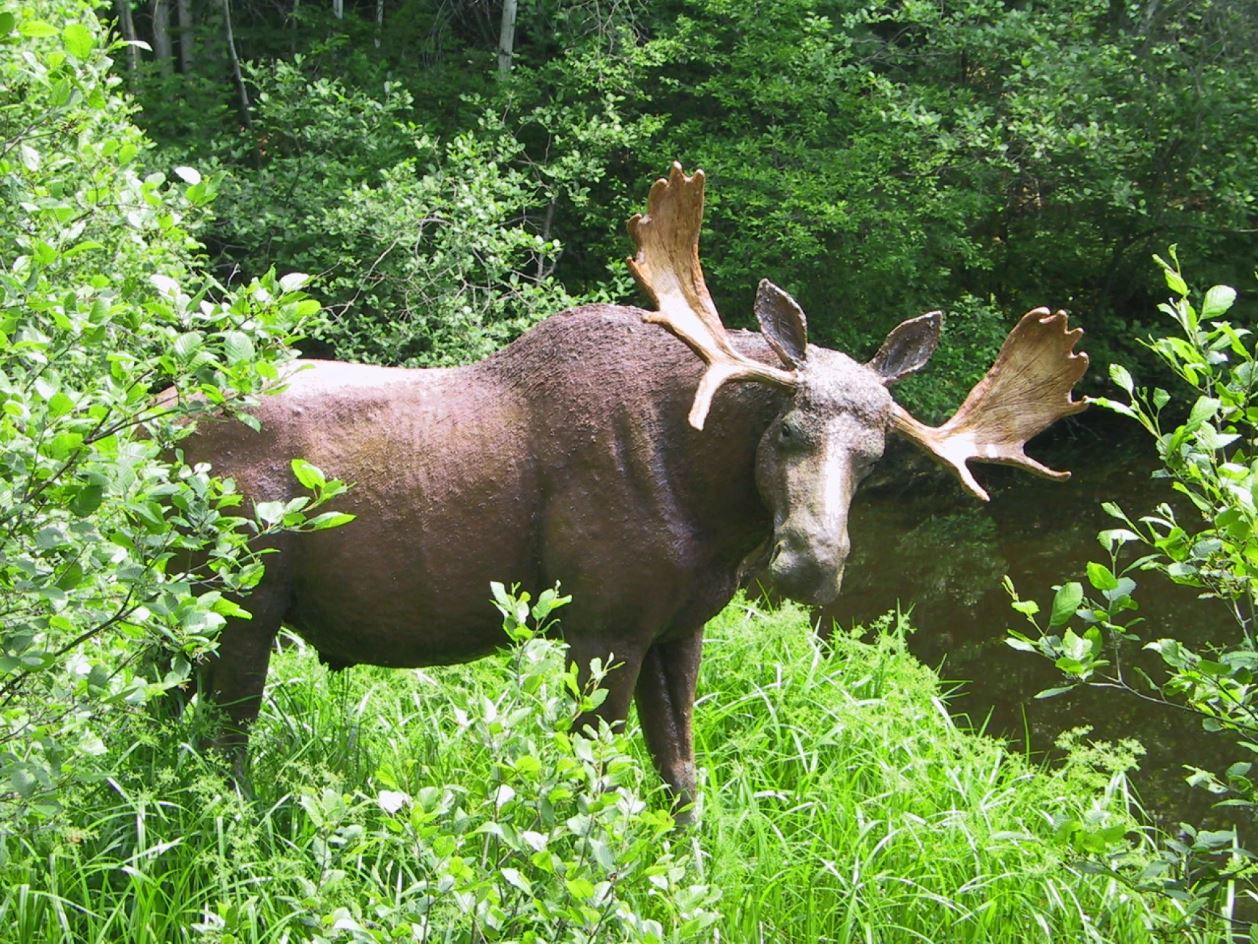
To get a more accurate count of the state’s moose population, researchers, along with state officials, will use drones and trail cams as part of a new moose surveillance program, which started last week and will continue for three years.

State biologists take advantage of cutting-edge technology and other resources to better understand and manage fisheries