Cross-state Cooperation Expands Brook Trout Angling
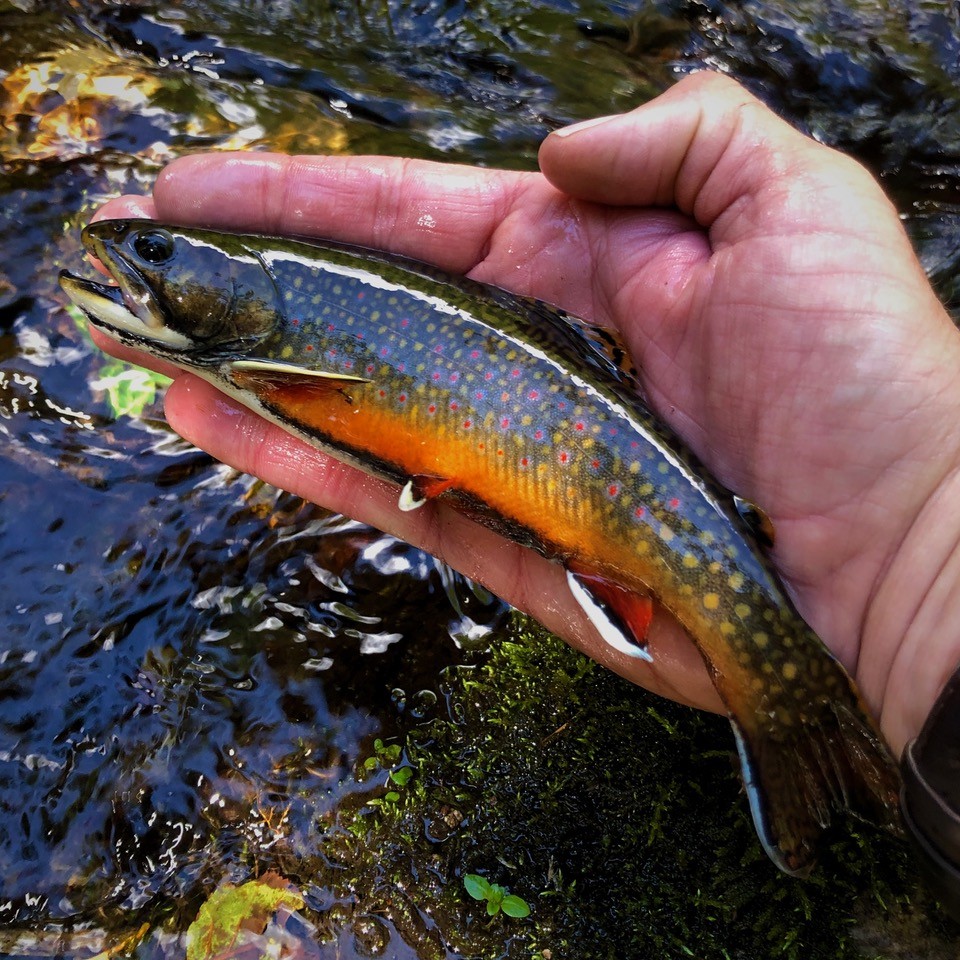
There’s a quality in the quantity of brook trout populations on the rise, thanks to Sport Fish Restoration.

There’s a quality in the quantity of brook trout populations on the rise, thanks to Sport Fish Restoration.

This February, millions of viewers are tuning into the Winter Olympics. On their screens biathletes glide across snow and into shooting lanes. In seconds, the biathletes still their skis, shoulder their rifles, and aim at the five small steel targets that stand between triumph or a penalty.
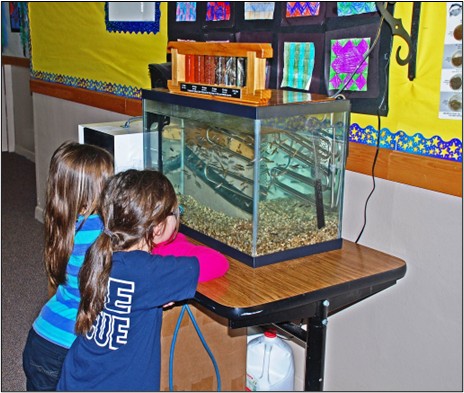
Along the West Coast, salmon and trout are threads in the cultural fabric. They have sustained Native Tribes, fueled the economies of entire towns, and sparked wonder in countless anglers. They have even found their way into thousands of schools. Through state fish and wildlife agency salmon and trout in the classroom programs, students are rolling up their sleeves and becoming fish stewards.
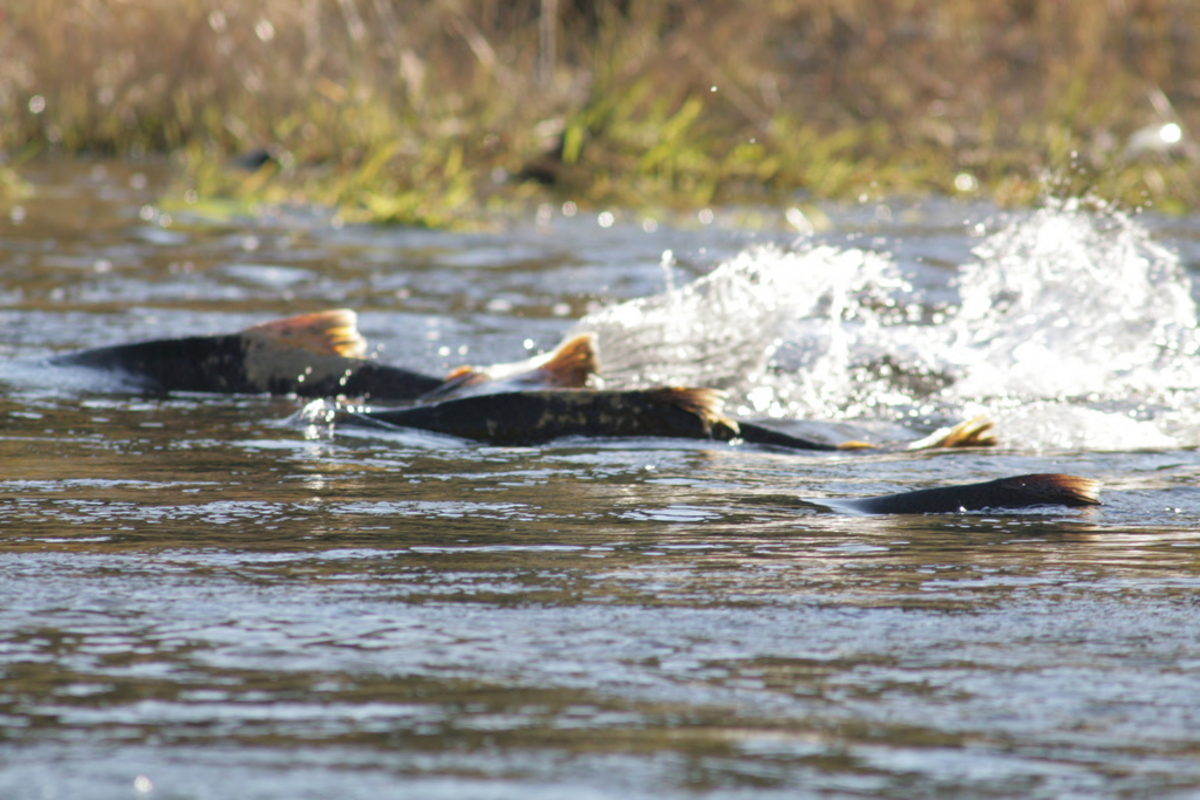
In California’s Central Valley, along the Merced River, the low rumble of bulldozers signals renewal. Crews are returning clean, sorted gravel to the riverbed, rebuilding spawning habitat that salmon and steelhead have relied on for thousands of years.
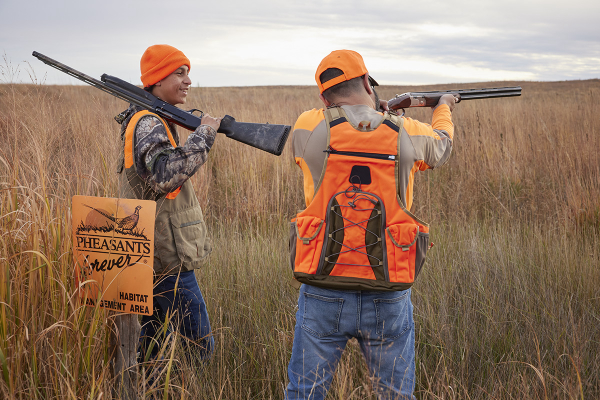
Established in 1972, National Hunting and Fishing Day is a reminder of how hunters and anglers helped build the foundation of modern wildlife management in America. Outdoor pursuits like hunting and fishing, away from the hum of traffic and the grind of full calendars, connect people with nature. And this connection carries with it a responsibility.

Alaska’s newly revamped Hank Harmon Public Range reopens after a long-anticipated modernization effort. Three thousand miles east, Maine’s Fryeburg Shooting Facility underwent a complete rebuild of its own. Though separated by four time zones, these two facilities share a common purpose of providing free, public access to safe, well-maintained target shooting spaces.

Beneath the Atlantic surface, concrete pyramids, stripped subway cars, and massive steel skeletons of vessels lie purposefully placed across the ocean floor repurposed into bustling undersea metropolises. These are artificial reefs, human-made sanctuaries giving new life to marine ecosystems and new opportunities for anglers.
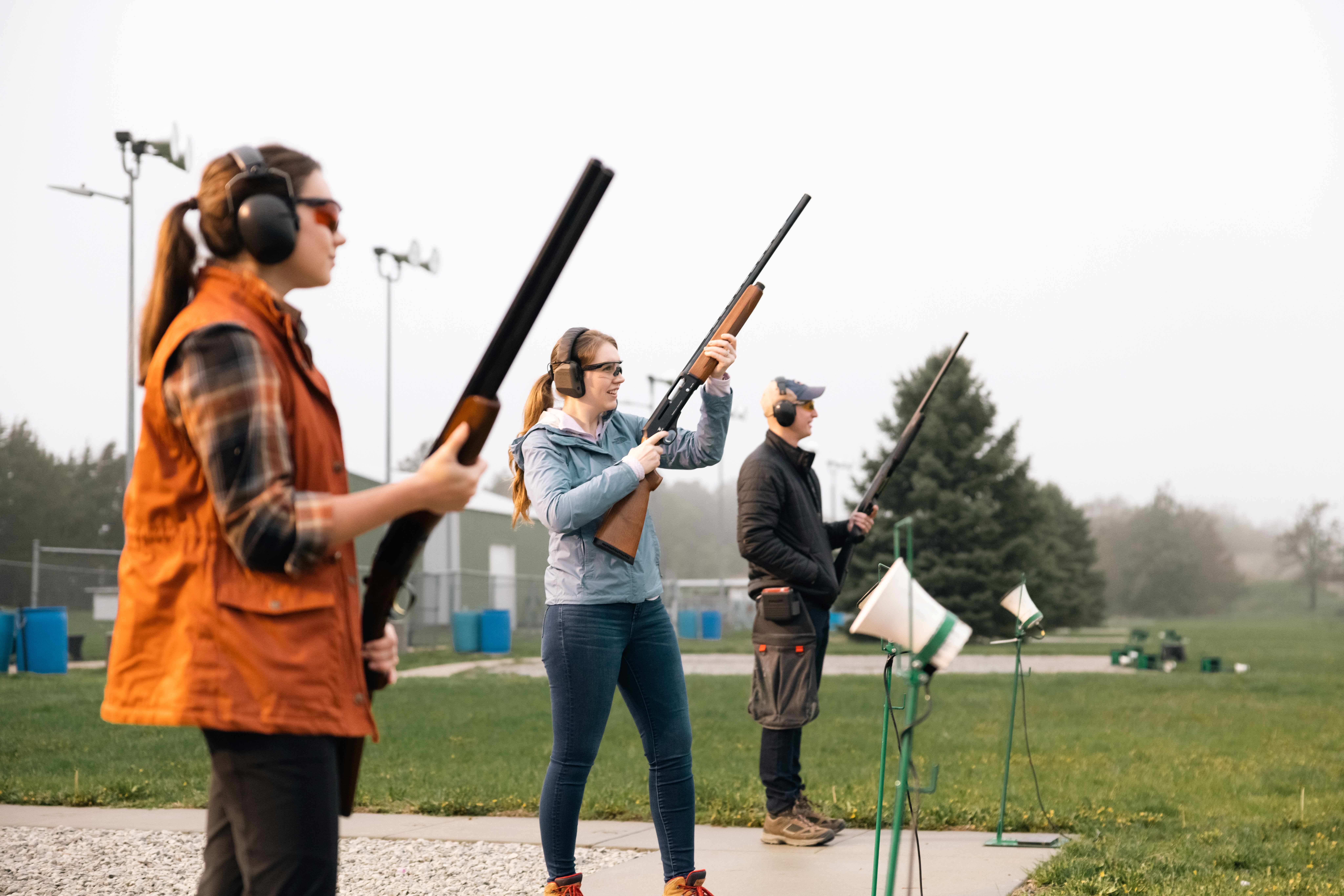
In a world where attention spans are short and the world is moving faster than ever, there’s still something grounding about nocking an arrow or steadying a shotgun at a target. Target shooting is more than a pastime, it is a connection to discipline, community, and the outdoors. Yet, this pastime takes a concerted effort of recruiting new participants, retaining those already involved, and reactivating those who’ve set their gear aside.
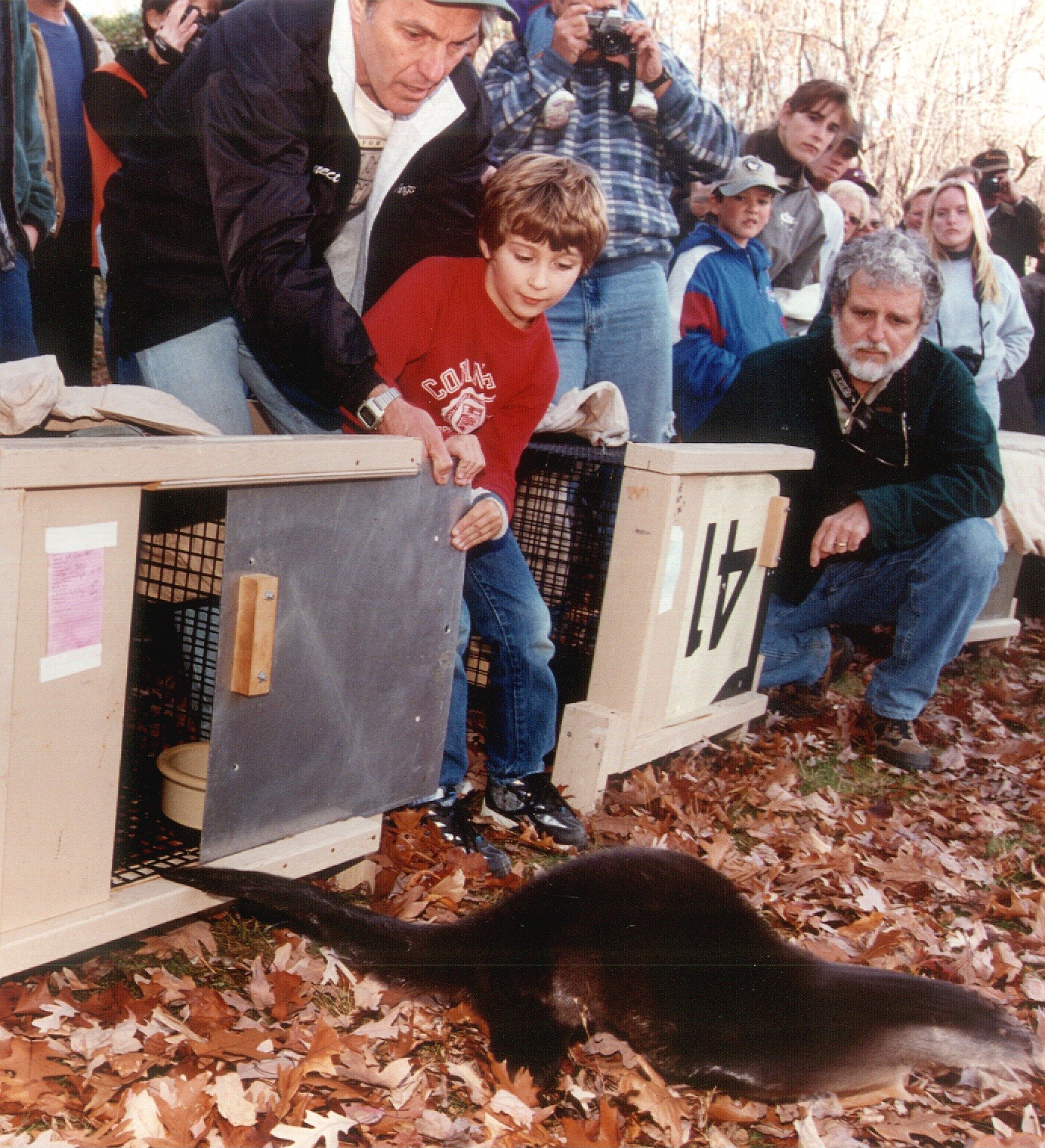
Once a familiar sight across America’s waterways, river otters dwindled across much of their native range by the mid-20th century. Today, cleaner waterways, conservation professionals supported by Pittman-Robertson funds, and an evolving understanding of resource management has allowed river otters to reclaim their place in ecosystems.
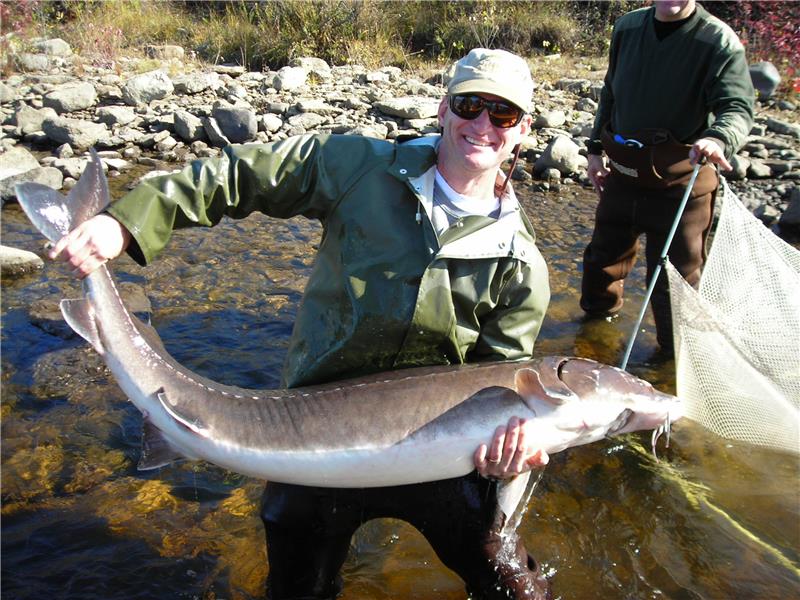
Six feet in length and tipping the scales at over 200 pounds, adult lake sturgeon once swam the tributaries of the Great Lakes in great seasonal spawning migrations—prehistoric giants returning home. A century ago, rivers ran thick with them. But their numbers fell as water fouled, dams rose, and populations were overfished.