Cross-state Cooperation Expands Brook Trout Angling
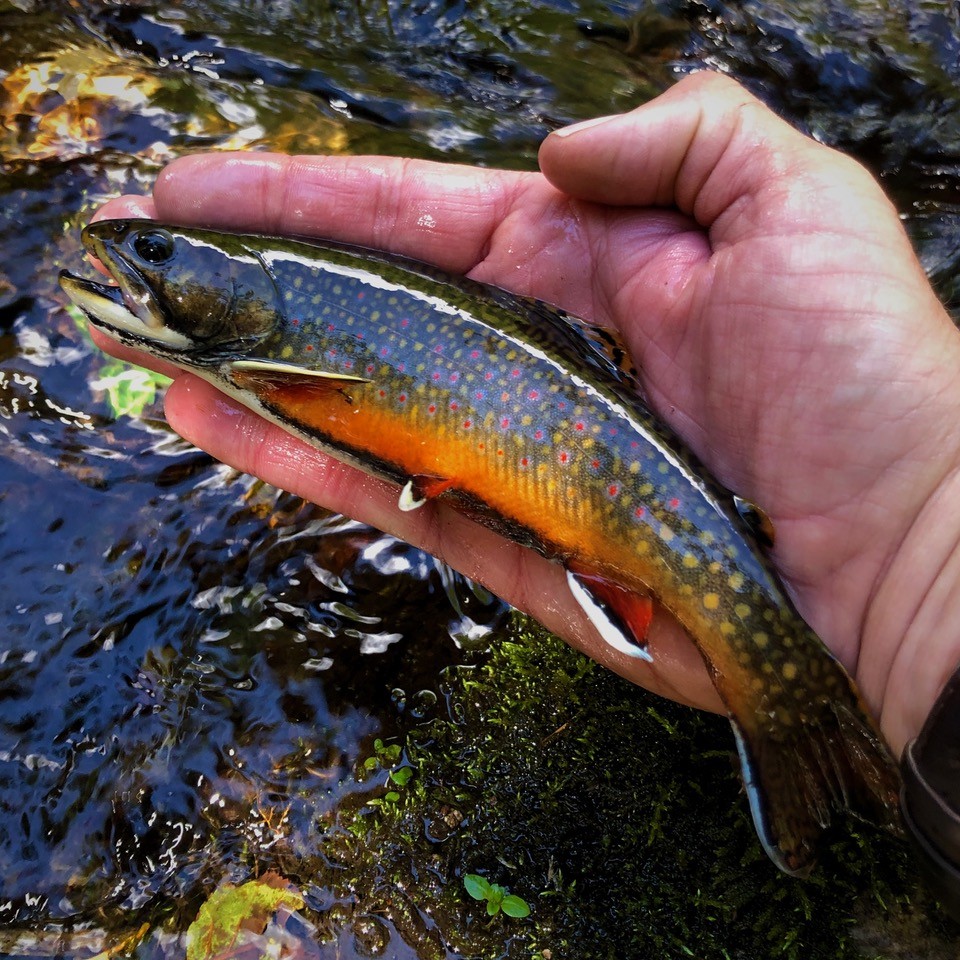
There’s a quality in the quantity of brook trout populations on the rise, thanks to Sport Fish Restoration.

 Elena Campbell
 There’s a quality in the quantity of brook trout populations on the rise, thanks to Sport Fish Restoration.

This February, millions of viewers are tuning into the Winter Olympics. On their screens biathletes glide across snow and into shooting lanes. In seconds, the biathletes still their skis, shoulder their rifles, and aim at the five small steel targets that stand between triumph or a penalty.

The leading-edge conservation work was an intersection science, technology, know-how, and reliable Pittman-Robertson funding—the federal excise taxes paid by the manufacturers of firearms, ammunition, and archery gear.
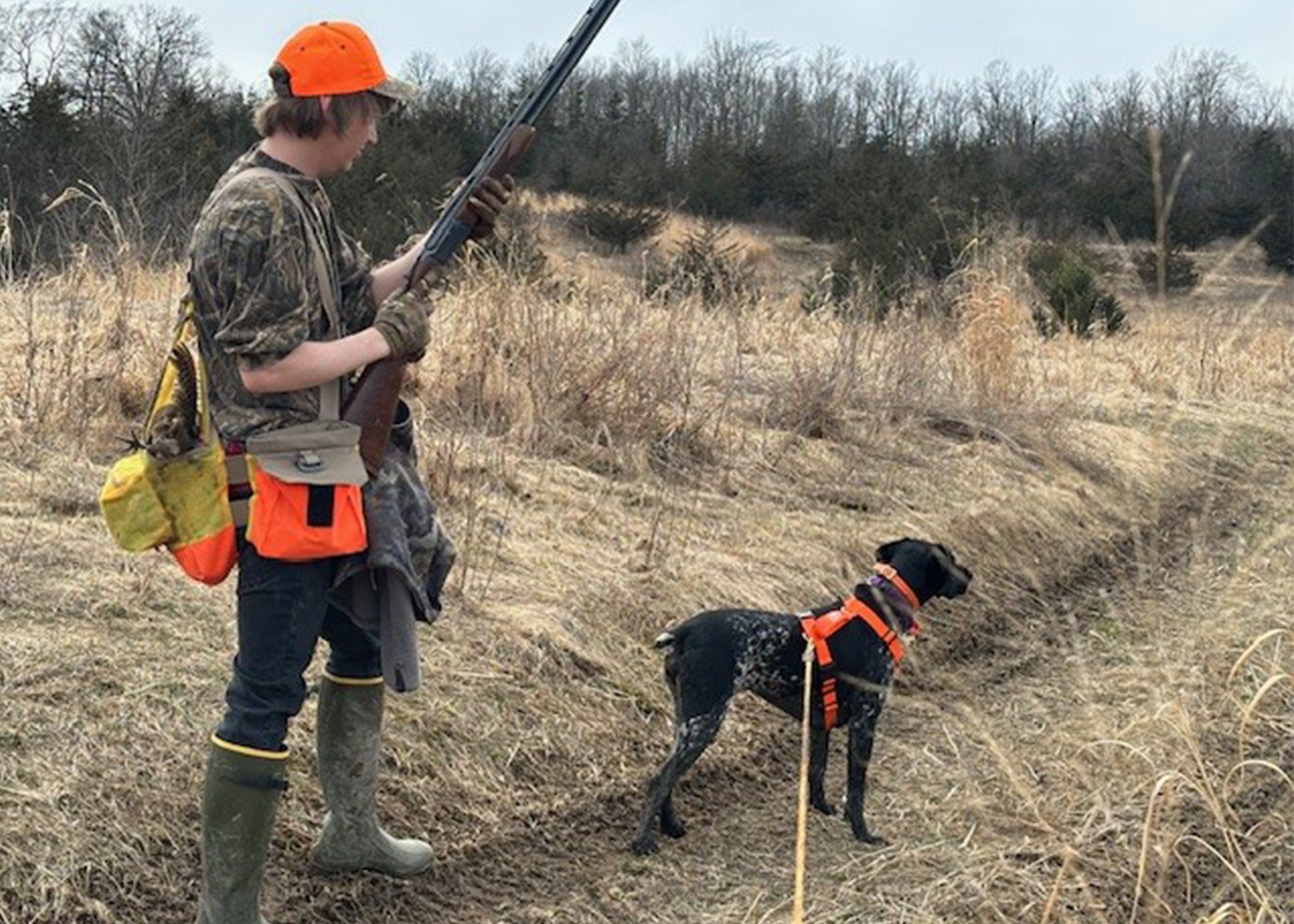
Mornings, when the prairies and ponds are still dew-frosted, one of the most enduring and effective partnerships in the outdoors goes to work. A hunter and their dog move together with purpose, guided by scent, sight, instinct, and a bond built over seasons.
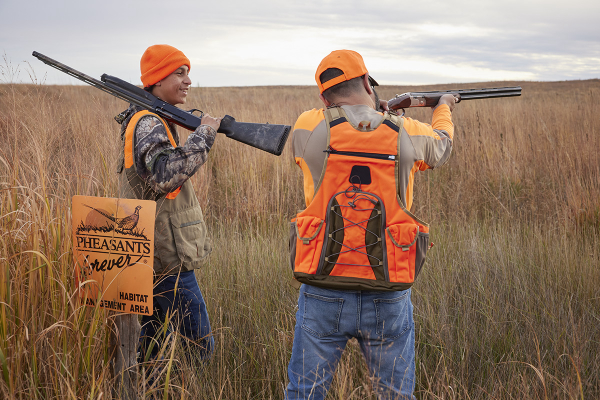
Established in 1972, National Hunting and Fishing Day is a reminder of how hunters and anglers helped build the foundation of modern wildlife management in America. Outdoor pursuits like hunting and fishing, away from the hum of traffic and the grind of full calendars, connect people with nature. And this connection carries with it a responsibility.

Beneath the Atlantic surface, concrete pyramids, stripped subway cars, and massive steel skeletons of vessels lie purposefully placed across the ocean floor repurposed into bustling undersea metropolises. These are artificial reefs, human-made sanctuaries giving new life to marine ecosystems and new opportunities for anglers.
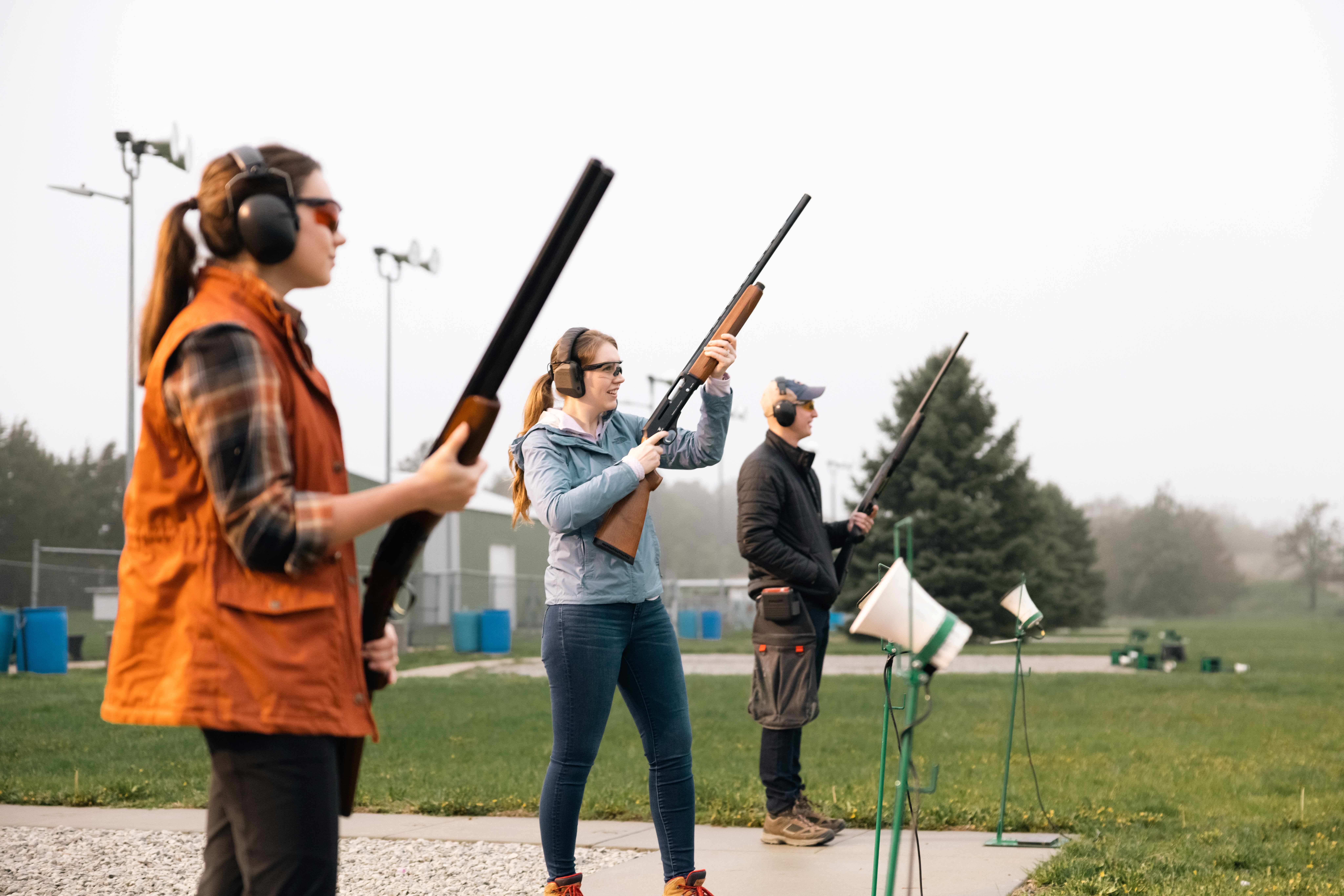
In a world where attention spans are short and the world is moving faster than ever, there’s still something grounding about nocking an arrow or steadying a shotgun at a target. Target shooting is more than a pastime, it is a connection to discipline, community, and the outdoors. Yet, this pastime takes a concerted effort of recruiting new participants, retaining those already involved, and reactivating those who’ve set their gear aside.
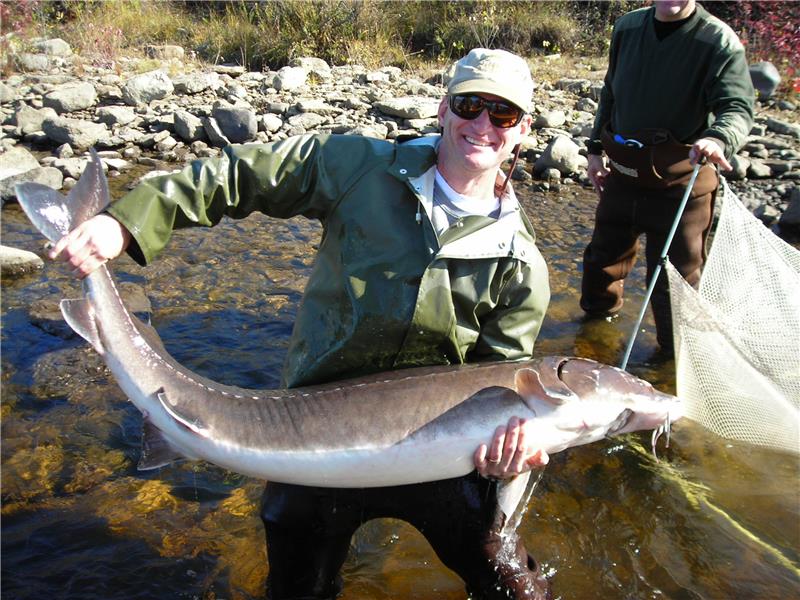
Six feet in length and tipping the scales at over 200 pounds, adult lake sturgeon once swam the tributaries of the Great Lakes in great seasonal spawning migrations—prehistoric giants returning home. A century ago, rivers ran thick with them. But their numbers fell as water fouled, dams rose, and populations were overfished.
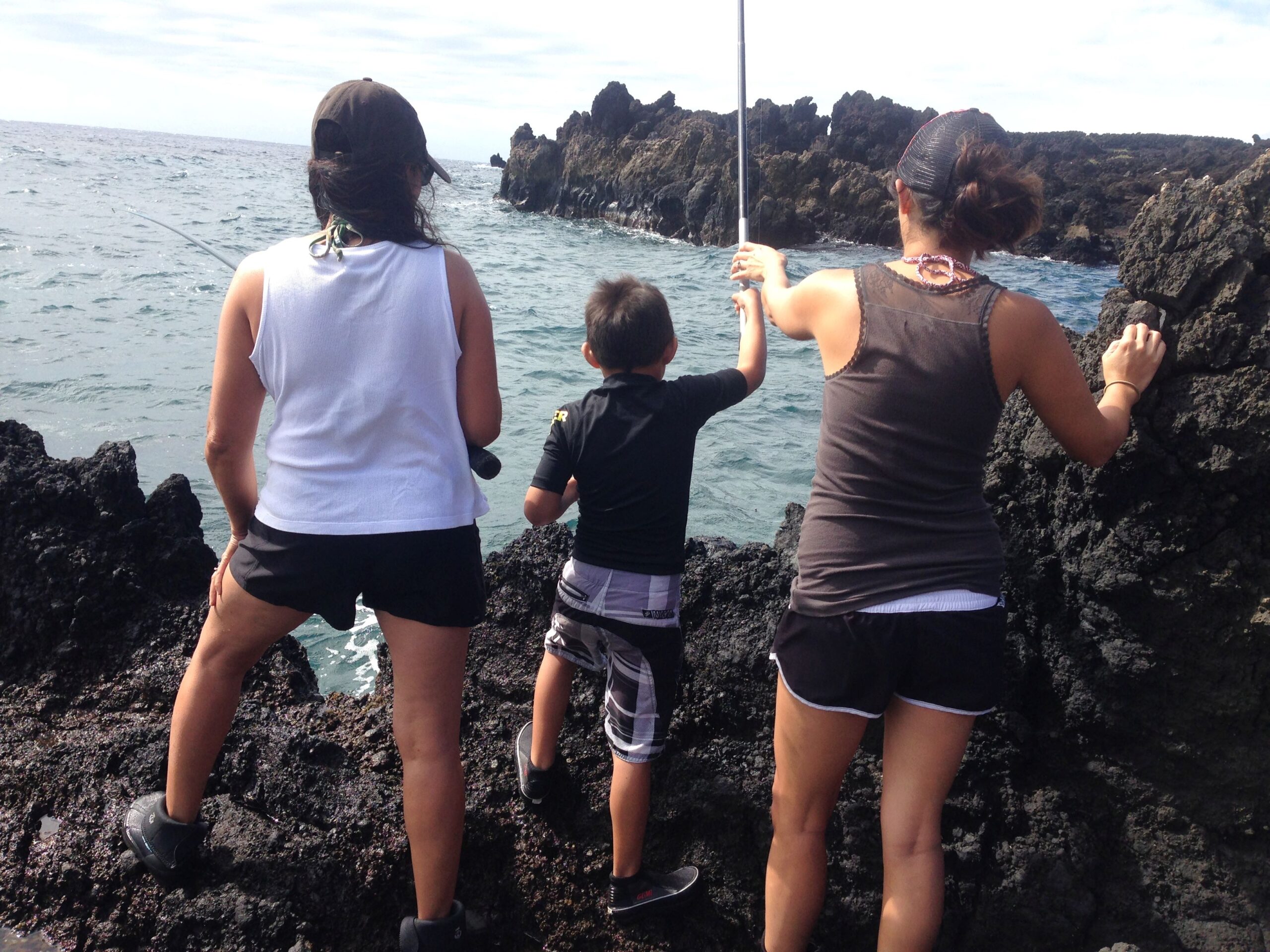
Hawaiʻi is a space where culture, nature, and sustainability are woven together. At the heart of this connection is the ancient Hawaiian concept of living pono — a word that translates to righteous or proper. In the context of fishing, pono is a way of life that speaks to a deep responsibility to respect and protect natural resources that have nourished the islands for generations. Across the Hawaiian Islands, Sport Fish Restoration funds are being used to support fisheries and foster the principles of pono fishing.
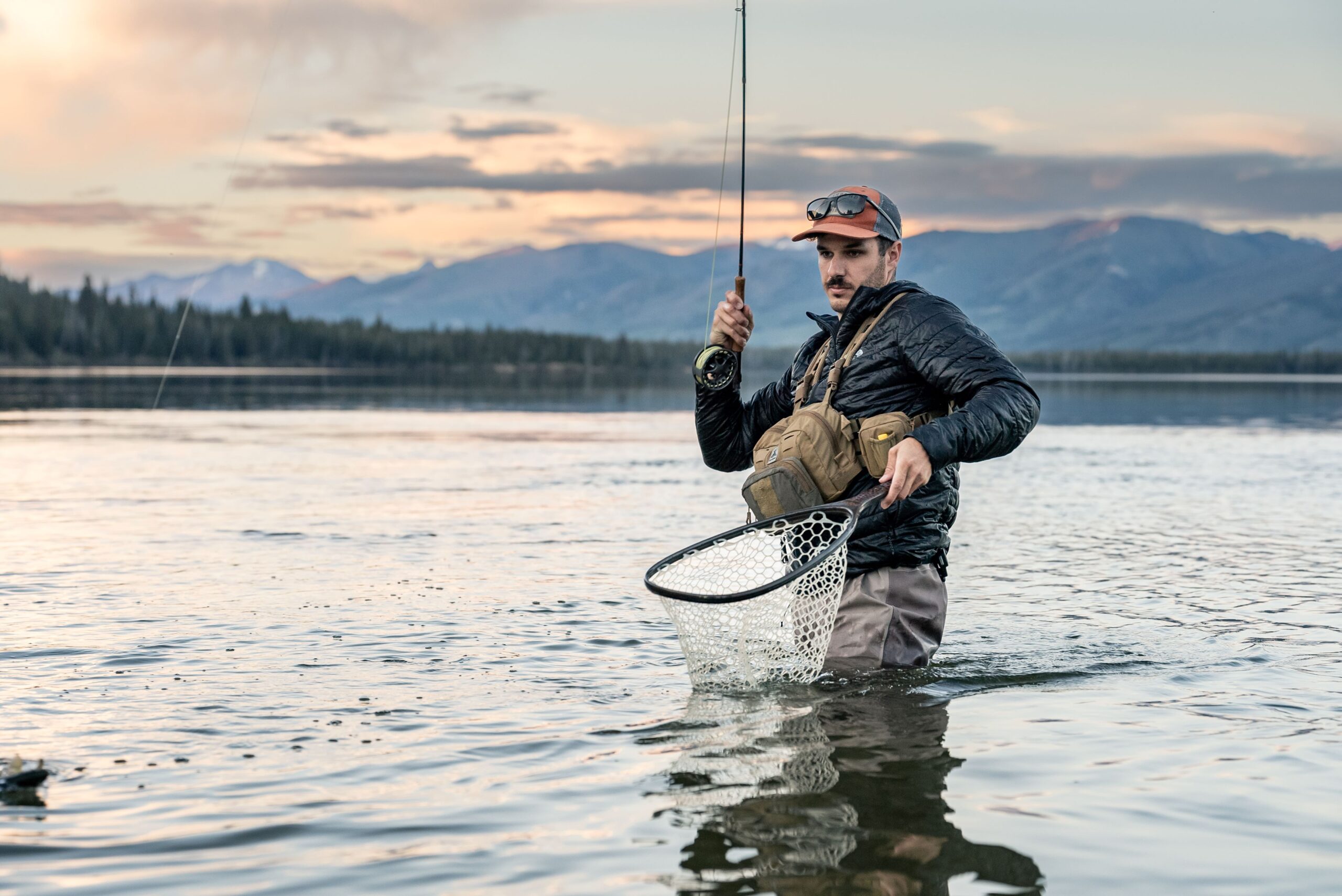
This year, the Sport Fish Restoration Act turns 75. This milestone marks three-quarters of a century ensuring that sport fish populations and aquatic habitats are healthy, sustainable, and accessible for all. No other funding method has had the same longevity, consistency, and significance for fisheries management in the United States.
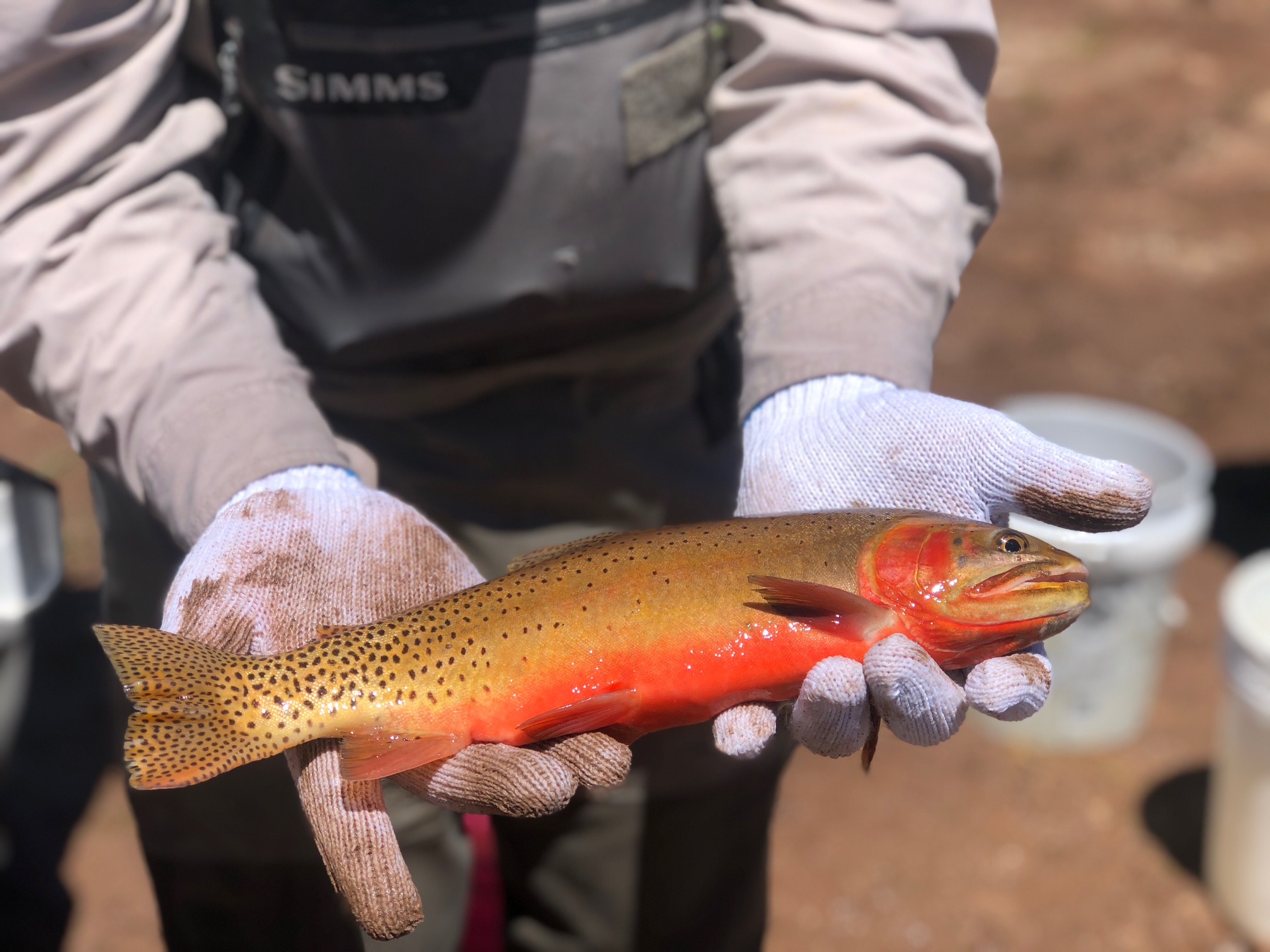
Cutthroat trout are the only trout native to Utah, but not that long ago the state’s iconic cutthroats were in jeopardy of disappearing. Thanks to conservation measures supported in part by Sport Fish Restoration funds, Utah’s four cutthroat subspecies have made a remarkable comeback.
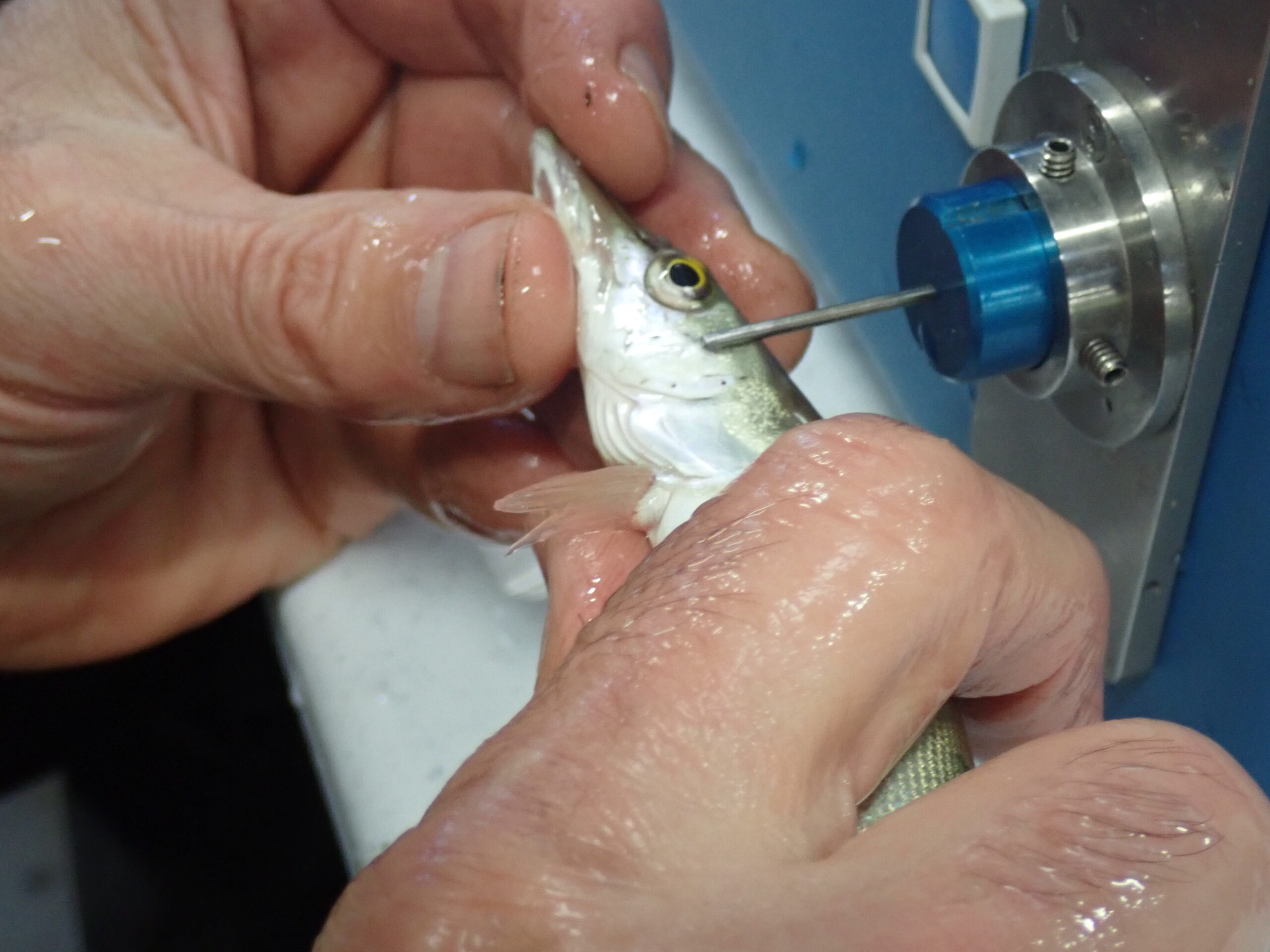
Muskie are commonly thought of as a fish of the North, the Great Lakes states, reservoirs and mid to large streams in the Ohio and upper Mississippi river basins. And North Carolina, well not so much—unless you live and fish there.