Fishing in the United States
Fishing is one of the most accessible and popular outdoor pursuits, connecting tens of millions of people of all ages to nature while supporting fisheries conservation, science-based management, and local economies.
Whether you’re casting a line on a quiet stream or heading offshore, you are taking part in a activity that feeds families and communities, creates lifelong memories, manages populations, and can benefit individual wellness and health.
Fisheries Management and Conservation
Fishing is not only an enjoyable pastime, but can be an important tool in managing and preserving fisheries resources. Around the nation, state and federal agencies use the best available science to ensure fish populations and their habitat remain healthy. These fisheries management and conservation efforts include monitoring fish populations and aquatic health, stocking fish, managing non-native species that can cause harm to the environment or the economy, and setting regulations in response to populations trends, season, and other factors.
Funding Fisheries Management and Conservation Through Partnership
In the early 1900s, states began issuing fishing licenses to fund state fish hatcheries, fish stocking, and law enforcement. In 1950, the Sport Fish Restoration Act was passed becoming the cornerstone of modern fisheries conservation funding in the U.S. Sport Fish Restoration Act funds come from federal excise taxes paid by fishing tackle manufacturers, a portion of the federal gas tax that is attributable to motorboats and small engines, and matching contributions from state fishing license sales. The combined funds are used by state fish and wildlife agencies for fisheries management and public waterway access efforts including:
- Fish hatcheries and stocking programs
- Water quality improvement
- Public projects to access points on lakes, rivers, ponds, and the ocean
- Aquatic education programs
If you have ever watched a kid hook a bluegill in a suburban pond, been amazed by the gargantuan largemouth bass caught in a fishing tournament, or launched your boat from a public access point, chances are the Sport Fish Restoration Act had something to do with it.
Fishing Fuels Local Economies
Over 49 million U.S. residents participated in fishing in 2022, spending $99.4 billion on equipment, licenses and fees, and trip related expenditures. Fishing is an economic engine that provides thousands of jobs and sustains businesses, economies, and communities throughout the nation.
Get Involved
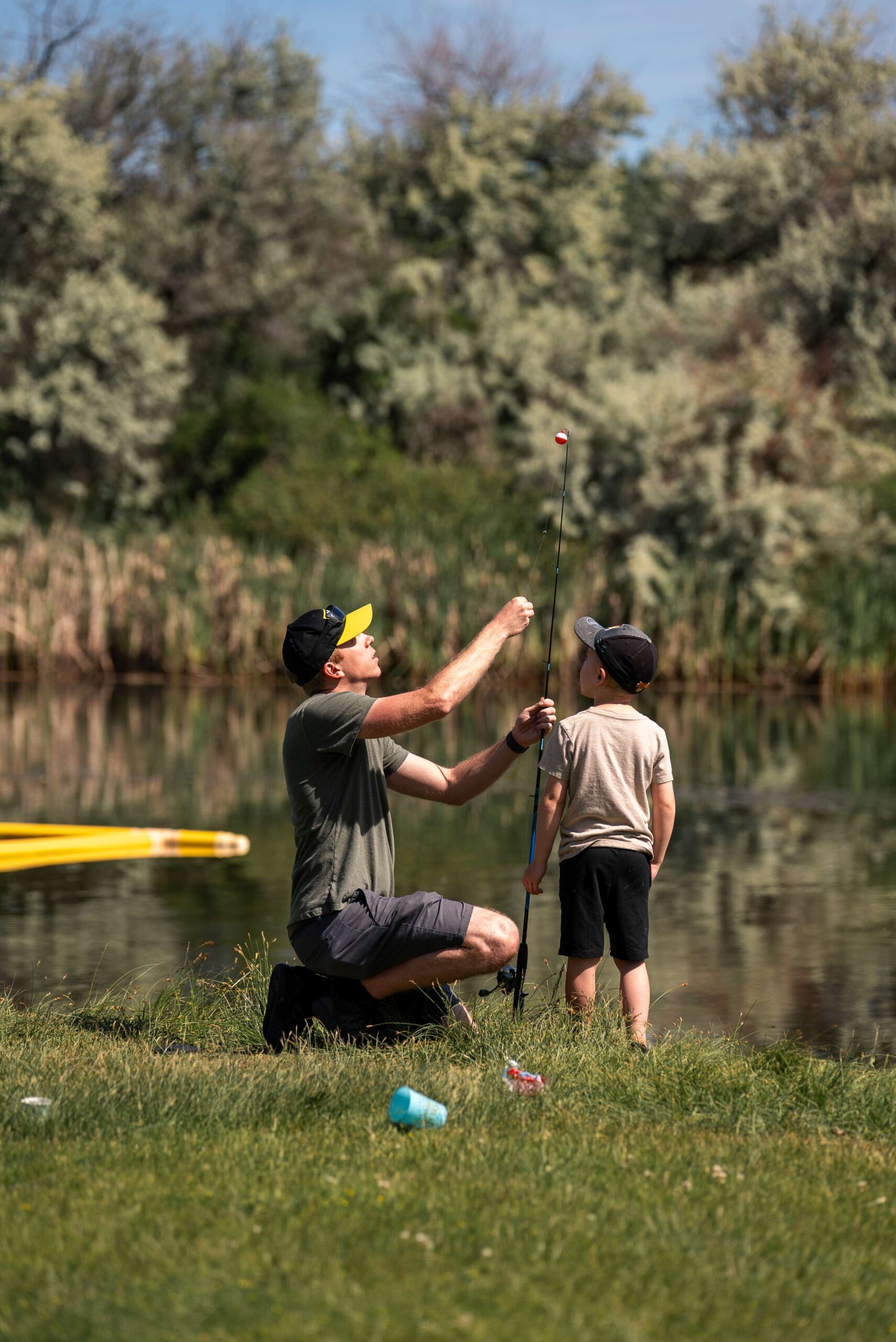
Fishing is not just a pastime, it’s an adventure that can boost health, well-being, and a connection to nature. The sounds of lapping waves, rustling trees, and singing birds creates a backdrop that instantly slows your pace and clears your mind. The thrill of feeling that tug on your line and the satisfaction of reeling in your catch creates lasting memories and can provide fresh healthy meals. The experience goes beyond the catch itself. It’s about learning patience, sharing stories on the dock, teaching a child how to bait a hook, or celebrating a personal best with friends. Whether you land the big one or simply enjoy time spent outside, the experience stays with you long after you leave the water. Fishing creates stories you’ll tell for years and traditions you’ll pass down for generations.
Ready to explore local fishing opportunities, purchase a license, and contribute to a legacy of stewardship, science, and sustainability? Check out your local state or territory fish and wildlife agency website for more information.